What scientists are finally learning about North America’s rarest bear
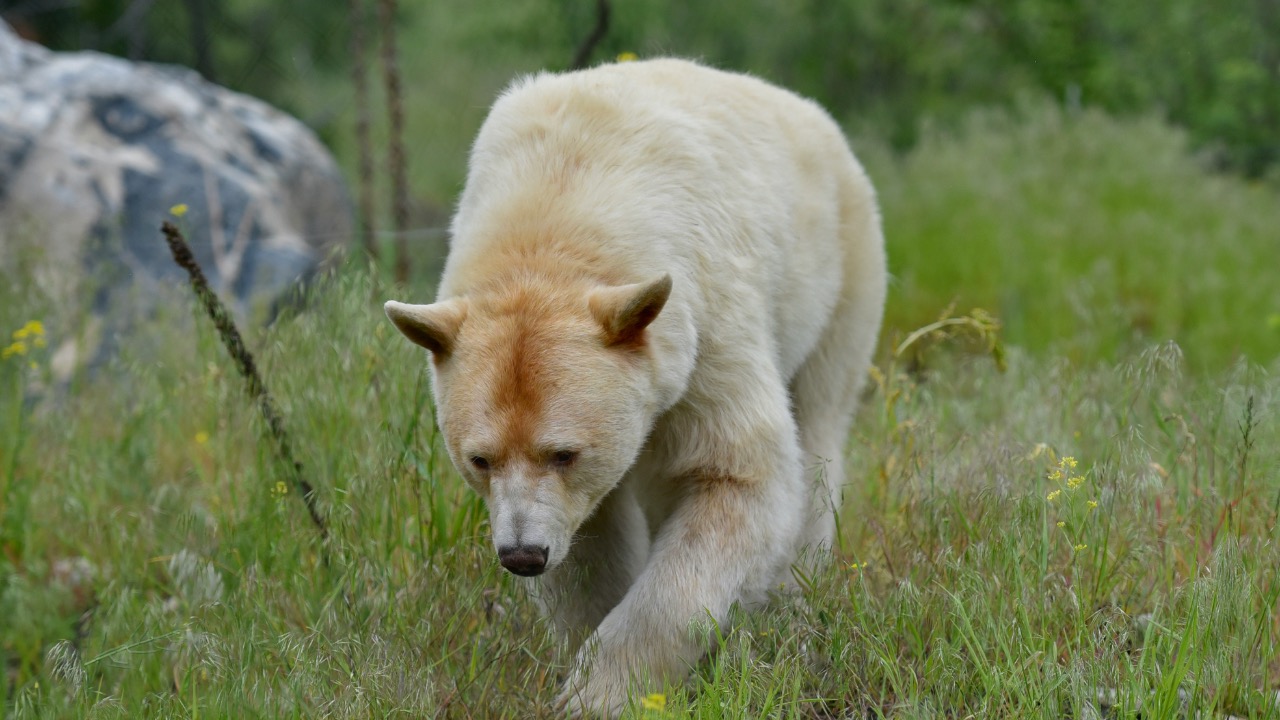
North America is home to a lot of wildlife, but few creatures carry the mystery and rarity of the Kermode bear. Often called the “spirit bear,” this subspecies of black bear is found primarily in the rainforests of coastal British Columbia. With fewer than 400 white-coated individuals roaming its territory, scientists have long struggled to understand its habits, genetics, and how best to protect it. Recent research is giving us a clearer picture of these elusive bears, their family ties, and the delicate ecosystems they call home.
Genetics Explain the White Coat
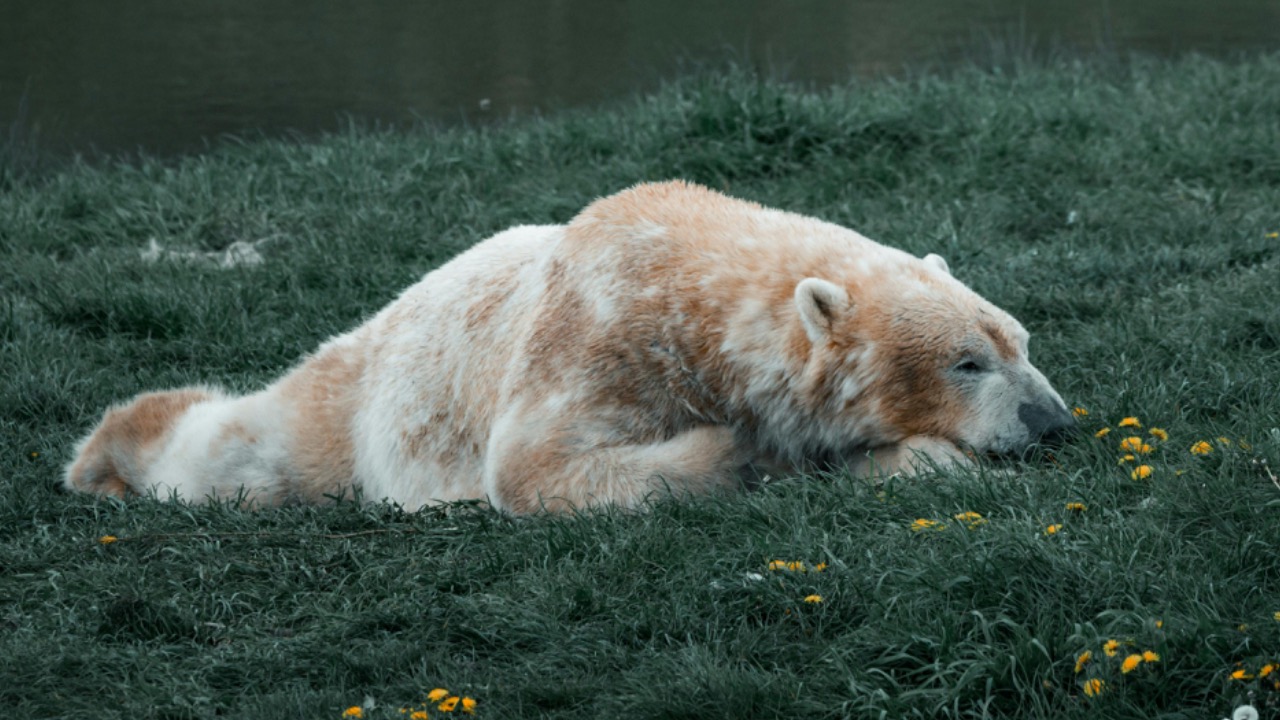
The white coat that sets the Kermode bear apart comes down to a single genetic variant. Unlike polar bears, these bears are not albino; they carry a recessive gene that produces white fur in some individuals.
This genetic trait is fascinating because it persists in a population that also carries the standard black coat. Recent DNA studies show that the white bears are not a separate species—they interbreed freely with black bears in the region. This mix helps maintain genetic diversity, which is critical for the long-term survival of such a small population. It also challenges the way people think about rarity and adaptation in the wild.
Their Diet is Surprisingly Focused
While Kermode bears will eat berries, roots, and small mammals like other black bears, they are especially dependent on salmon during the summer months. Streams in their rainforest habitats provide a critical source of protein and fat that fuels their growth and prepares them for winter.
Biologists have observed that white-coated bears don’t have different feeding habits from black-coated relatives. They’re opportunistic, but salmon runs are essential. Protecting spawning streams has become a top priority for conservationists because it directly affects the health of both black and spirit bears in these fragile ecosystems.
Territory and Home Range Are Smaller Than Expected
Contrary to the sprawling ranges often associated with black bears, Kermode bears tend to have surprisingly small home territories. Dense coastal forests with abundant food allow them to meet their needs without traveling hundreds of miles.
Studies using GPS collars reveal that adult males can roam up to 30 miles in a season, while females with cubs stay within tighter areas to protect their young. This compact range makes them vulnerable to habitat disturbance. Logging, road construction, and other human activity can fragment their territories, isolating family groups and limiting access to critical feeding areas.
They Are Incredibly Shy Around Humans
One reason the Kermode bear has remained a mystery is its natural caution. Researchers consistently report that these bears avoid humans whenever possible. Trails in remote forest areas often show only fleeting signs: tracks, claw marks, or scat.
Even experienced wildlife photographers have noted how quickly the bears vanish when approached. This behavior likely evolved to reduce risk in a landscape where black bears and human hunters are common. It also means that much of what we know about their daily lives comes from remote cameras and careful observation rather than direct encounters.
Cubs Learn From Their Mothers
Kermode bear cubs are completely dependent on their mothers during the first year. They learn to forage, climb, and navigate streams alongside her, picking up essential survival skills before venturing out on their own.
Researchers using non-invasive tracking methods have documented cubs’ behaviors from birth through independence. Cubs tend to stay in the dens during early winter months, emerging when food is available. The strong maternal bond and careful teaching ensure that even a small population can maintain its numbers despite environmental pressures and predation risks.
Conservation Efforts Focus on Habitat
Protecting the Kermode bear means protecting its rainforest habitat. Coastal British Columbia has seen increased logging and development, putting pressure on forests where these bears feed and breed.
Local and national organizations are working to establish protected corridors and manage salmon streams. Indigenous communities play a critical role, drawing on traditional knowledge to balance forest management with wildlife protection. Efforts also include public education, encouraging people to respect the bear’s privacy and avoid disturbing critical areas during sensitive feeding or breeding periods.
They Play an Important Role in the Ecosystem
Beyond their symbolic appeal, Kermode bears serve a practical purpose in the rainforest. By feeding on salmon and dispersing seeds from berries and fruits, they help maintain healthy forest and river ecosystems.
Their presence supports predator-prey balance and helps nutrients move from streams into forest soil. Removing even a small portion of the population could ripple through the ecosystem. Scientists emphasize that protecting these bears is about more than rarity—it’s about sustaining the life of an entire coastal rainforest system.
Climate Change Adds Uncertainty
Rising temperatures and changing precipitation patterns are affecting coastal forests and salmon runs. Kermode bears, which rely on both dense forest cover and seasonal fish, may face increased stress if conditions shift too quickly.
Early studies suggest that warmer winters could disrupt denning behavior, while altered river flows could reduce salmon availability. Conservationists are tracking these changes closely, noting that a species with a small, isolated population has less resilience to environmental fluctuations than more widespread bears.

Asher was raised in the woods and on the water, and it shows. He’s logged more hours behind a rifle and under a heavy pack than most men twice his age.