The overlooked priority survivalists focus on before basic supplies
Seasoned survivalists will tell you that the real work starts long before anyone fills a pantry or packs a bug out bag. The overlooked priority they focus on is the human operating system itself, from mindset and decision making to a clear sequence of what matters most when everything goes wrong. Gear and groceries still matter, but without that foundation, even the best stocked home can turn into a very fragile illusion of safety.
In practice, that means investing in mental readiness, survival thinking, and a disciplined order of operations that can be applied in a blizzard, a blackout, or a citywide evacuation. I will walk through how experienced survivalists structure those priorities, why they put mindset and planning ahead of basic supplies, and how anyone can start building the same resilience into daily life.
Mindset before materials: the real first line of defense
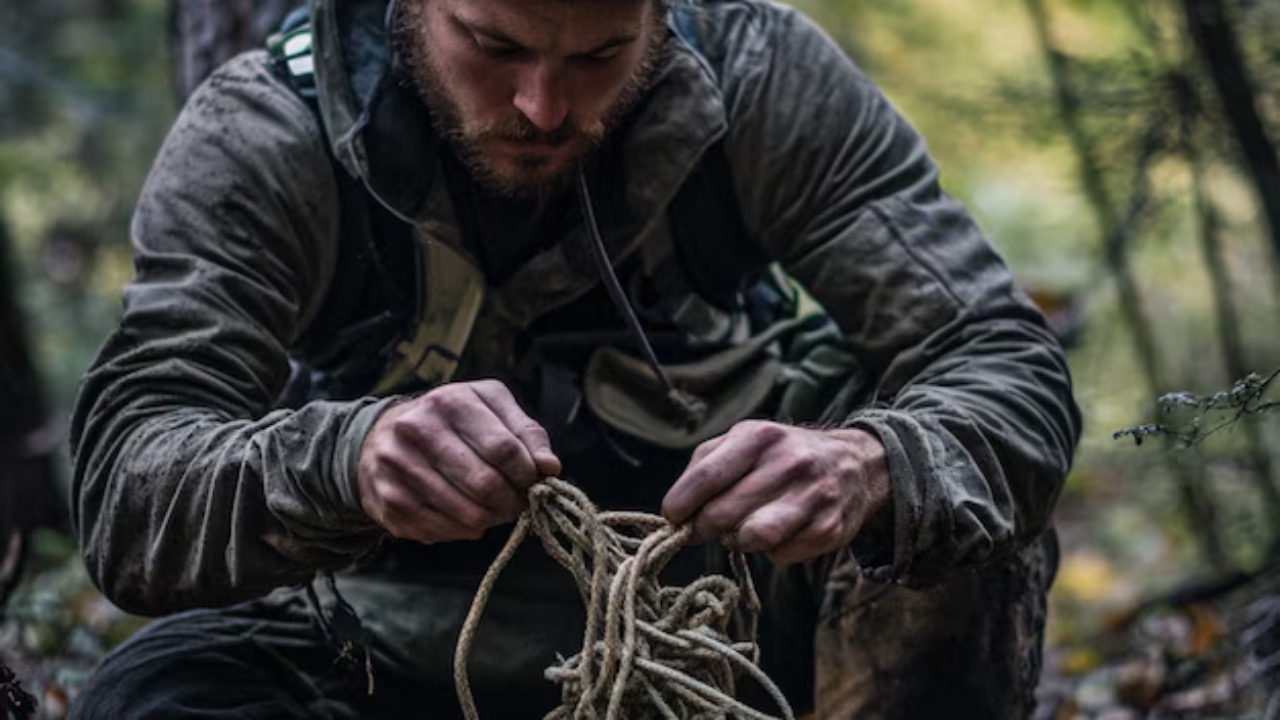
When I talk to experienced survivalists, they almost always start with the same point: the most important tool in any crisis is the brain, not the backpack. Military instructors who teach Survival, Evasion, Resistance and Escape training describe how military survival often involves exposure to an enemy, so advanced courses focus on will to survive, mental resilience, and what they call “survival thinking,” which includes situational awareness, assessment, and prioritization. That same mental toolkit is what separates someone who freezes in a house fire from someone who calmly checks doors, windows, and escape routes in the right order.
Psychology research backs up why this mental preparation has to come first. Under chronic stress, the parts of the brain that handle planning and weighing options become less effective, which leaves fewer resources available for calm, neutral decision making. One clinical explanation notes that psychology studies show how stress can push people into impulsive or avoidant choices at exactly the moment they need clarity most. Survivalists try to preempt that by rehearsing scenarios, building checklists, and normalizing discomfort so that when a real emergency hits, they are not improvising under maximum pressure.
The Rule of Threes and the hidden “priority zero”
Most survival training is built around a simple hierarchy known as the Rule of Threes, which says you can survive roughly three minutes without air, three hours without shelter in extreme conditions, three days without water, and three weeks without food. One widely used guide explains that this framework is meant to keep people from fixating on the wrong problem, like hunting for food while hypothermia is setting in. Another detailed breakdown of Rule of Threesexpands those priorities to include medical care, self defense, and even human contact as critical needs that must be weighed against each other in a crisis.
Survivalists, however, often talk about a “priority zero” that sits on top of this list: the ability to think clearly enough to apply the Rule of Threes in the first place. A more recent explanation of Rule of Threes stresses that it is imperative to understand and internalize these limits before a hunt or expedition spirals out of control. In other words, the overlooked priority is not just knowing the rule, but training the mind to recall and act on it under fatigue, fear, or confusion, so that every later decision about shelter, water, or food is anchored to reality instead of panic.
Survivalists versus preppers: why skills outrank stockpiles
Popular culture often blurs the line between preppers and survivalists, but the distinction matters for understanding why mindset and skills come first. One practical What style FAQ explains that preppers tend to focus on storing supplies at home, while survivalists focus on wilderness or tactical skills to live off the land if they have to leave those supplies behind. Another breakdown of what happens when SHTF notes that On the other hand, a survivalist focuses on skill building and adaptability, including navigation and first aid with limited resources, rather than relying on pre stocked resources.
That difference in emphasis shapes what each group treats as the first priority. A prepper might start with a year of canned food, while a survivalist might start with land navigation, fire making, and trauma care. One beginner oriented book on emergency planning tells readers “You are about to discover the crucial information regarding prepping” and warns that You and Millions of others find out the hard way that supplies without a plan are not enough. Survivalists take that lesson further, treating skills as the only assets that cannot be stolen, confiscated, or left behind in a flooded basement.
Planning, not purchases: the most neglected “prep”
Even within the preparedness world, some of the most experienced voices argue that the biggest gap is not food or ammunition, but the absence of a tested plan. A detailed list of overlooked preparations starts with “Prep #1: Developing/Testing a Survival Plan” and warns readers, “Aren’t You Forgetting Something?” The same analysis of neglected preps notes that Dec and other calendar markers matter far less than whether families have walked through realistic security, self defense, and practical layers of home defense before they need them.
Survivalists treat this planning as a living document rather than a one time checklist. They map out evacuation routes, communication trees, and rendezvous points, then stress test those plans with drills that reveal weak spots. One widely sold guide to bug out bags and survivalism warns that Millions of people each year discover that their assumptions were wrong only when SHTF, and it frames Millions of failures as preventable with better planning. In that light, the overlooked priority is not another gadget, but the unglamorous work of rehearsing who does what, in what order, under which conditions.
Medical skills and first aid: the quiet force multiplier
When people imagine survival, they often picture hunting or building fires, yet the first real emergency many households face is medical. A practical overview of Critical Survival Skills lists CPR, trauma treatment and bleeding control, water safety, and shelter building among the 11 core abilities that can keep someone alive long enough for help to arrive. Survivalists tend to prioritize these skills early, because a deep pantry does not matter if a family member dies from an easily controlled hemorrhage or a preventable drowning.
Grassroots prepper communities echo that emphasis. In one discussion about overlooked items, participants highlight wound care supplies and the knowledge to use them, arguing that you can go without food but not water or basic medical care. The same conversation stresses that You could boil your water, but if you are trying to remain undetectable, building a fire is not the best option, which again pushes skills like disinfection, filtration, and quiet wound management to the front of the line.
Urban survival: blending in and using everyday items
For city dwellers, the overlooked priority is often learning how to stay safe without looking like a survivalist at all. In a recent discussion of survival priorities in urban crisis situations, one of the core recommendations is to rely on Everyday Items that do not attract attention. The advice is to Jan and other calendar dates less important than the principle: Use a simple water bottle, a regular looking jacket, and everyday footwear instead of tactical gear that stands out and could make someone a target.
Survivalists who operate in cities also emphasize navigation, crowd awareness, and improvisation with what is already on hand. A commuter who knows multiple walking routes home, understands which underpasses flood, and can quietly turn office supplies into makeshift splints or bandages is far better positioned than someone with a closet full of gear they cannot safely carry. This is where the survivalist focus on skill building and adaptability, highlighted in explanations of Survival thinking, becomes a practical urban strategy rather than a wilderness fantasy.
Training the brain out of “survival mode” paralysis
One of the paradoxes of crisis is that the same instinct that keeps people alive can also keep them stuck. Trauma informed educators describe how the “survival brain” resists change, making even small steps feel impossible when someone is overwhelmed. In a widely shared explanation, readers are told that the more they notice their own patterns, the quicker they will be able to say, “This is not laziness. This is survival,” and that Awareness is the first step in gently shifting out of survival mode.
Survivalists try to build that awareness before a crisis by practicing stress inoculation. They deliberately expose themselves to controlled discomfort, such as cold weather hikes, night navigation, or timed drills, so that their nervous system learns that stress does not always equal catastrophe. This approach aligns with clinical findings that chronic stress impairs decision making, as described in the Psychology research on difficulty making decisions. By rehearsing calm responses to manageable challenges, they hope to keep their thinking brain online when the stakes are far higher.
Skills over stuff: what instructors and kits really teach
Even the companies that sell survival gear increasingly stress that knowledge is the real asset. One review of the best survival kits quotes bushcraft instructor Mors Kochanski, noting that “The more you know, the less you need to carry.” The same evaluation of gear explains that Experience Level Noted survival and bushcraft instructor Mors Kochanski used that line to remind students that tools are only as useful as the skills behind them, and that the opposite is also true: without basic knowledge, even the best kit can become dead weight.
Instructional materials echo that message. One audiobook on overlooked survival skills opens with a conversational warning: “Hey there, let’s get real for a second: survival is not just about gear. Sure, having the right tools is great, but if you do not have the skills to use them, you are setting yourself up for failure.” That framing, captured in the product listing that highlights Hey and Sure as key phrases, reflects a broader shift in the survival community away from fetishizing equipment and toward teaching people how to improvise, adapt, and problem solve with whatever they have.
From theory to habit: building a realistic survival foundation
For anyone trying to move beyond stockpiling, the challenge is turning these priorities into daily habits. A practical starting point is to internalize the Rule of Threes, then layer in a simple, written plan for the most likely local hazards, whether that is wildfire, hurricane, or extended power loss. Resources that explain Guide level survival priorities and those that walk through Mastering the Rule of Threes can help translate abstract timelines into concrete checklists, such as “shelter and warmth first, then water, then food,” which can be rehearsed with family members until they become second nature.
From there, survivalists recommend a modest but focused investment in training. That might mean a weekend CPR and bleeding control course, a navigation workshop, or a local self defense class, paired with a realistic bug out bag built around skills rather than gadgets. One beginner friendly guide to prepping and bug out bags, which tells readers “You are about to discover the crucial information regarding prepping,” underscores that Prepping is ultimately about decisions, not purchases. The overlooked priority survivalists focus on, long before they worry about how many cans are on the shelf, is whether they have trained their minds and routines to make those decisions under pressure.

Leo’s been tracking game and tuning gear since he could stand upright. He’s sharp, driven, and knows how to keep things running when conditions turn.