I tried using brake cleaner on a gun — the results surprised me
You’ve probably heard it at the range or seen it buried in a forum thread—someone swears brake cleaner will strip a gun down faster than anything on the shelf at a gun store. It’s cheap, it’s aggressive, and it cuts through grime like it’s not even there. That alone makes it tempting.
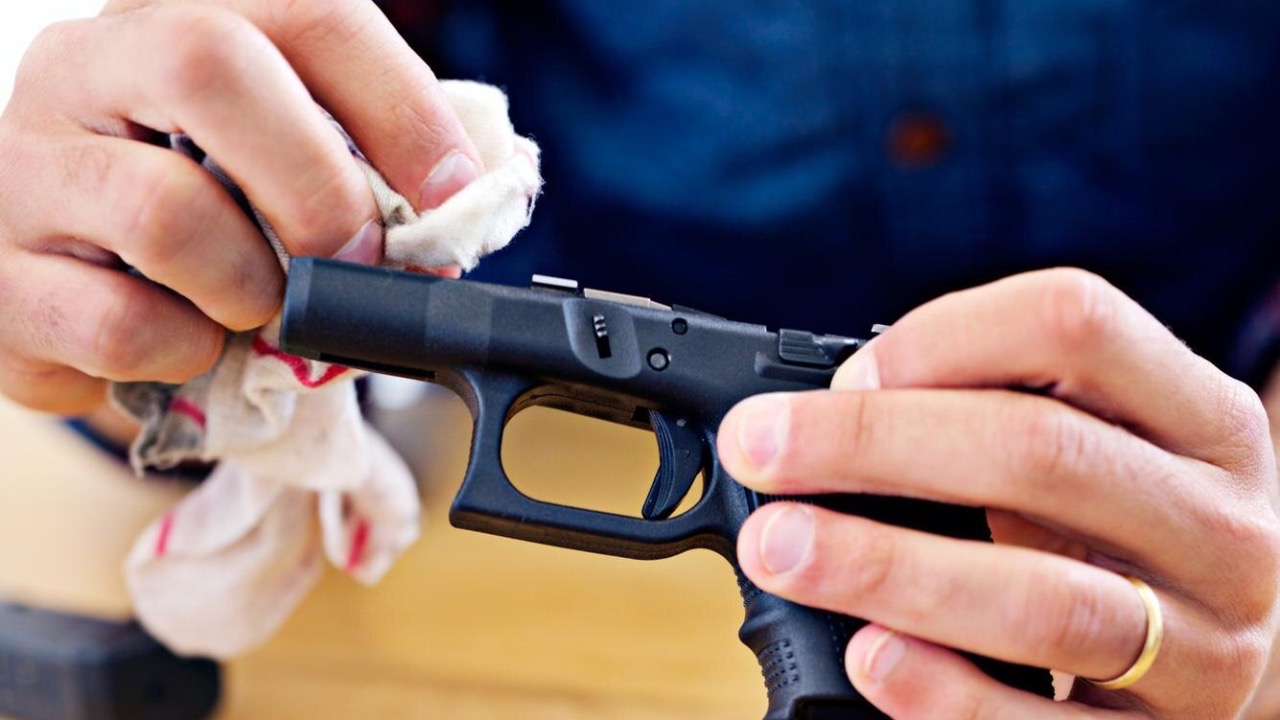
But there’s a difference between what works and what holds up over time. I gave it a fair try on a well-used firearm to see what actually happens when you swap purpose-built gun cleaners for something meant for brake rotors. Some of the results were impressive. Others weren’t something you’d want to learn the hard way.
It Cuts Through Carbon Faster Than Most Gun Cleaners
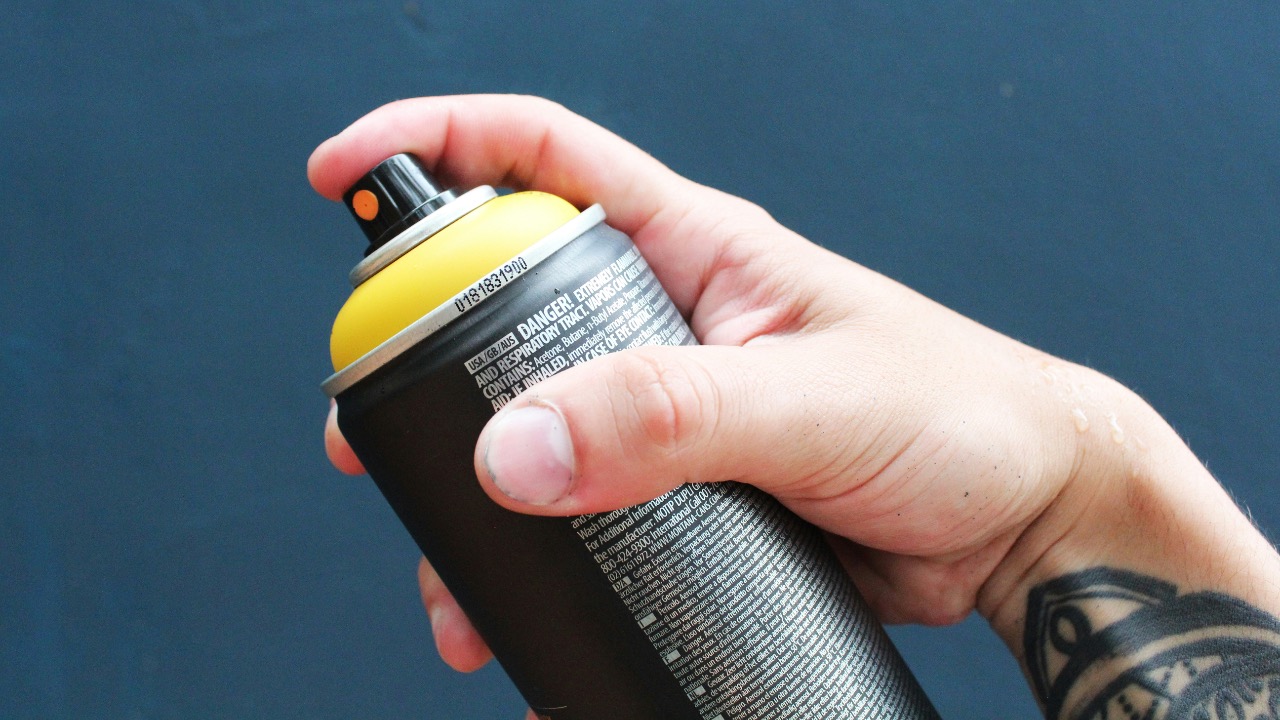
You don’t ease into it with brake cleaner—it hits hard right away. Carbon buildup, old oil, powder residue—it all starts running off almost instantly. Areas that usually take scrubbing loosen up with minimal effort.
That kind of performance stands out if you’ve spent time working a brush through a stubborn bolt or slide. It reaches into tight spaces and flushes out fouling that tends to stick around. For sheer cleaning speed, it’s tough to beat. You’ll see results in seconds, not minutes, and that’s what makes people keep coming back to it.
It Strips Every Bit of Lubrication—And That’s a Problem
The same strength that makes brake cleaner effective also works against you. It doesn’t stop at carbon—it removes every trace of oil and lubricant on the gun.
That leaves metal surfaces completely dry, and that’s not where you want to be. Friction points, rails, and internal components rely on a thin layer of oil to function smoothly. Without it, you’re setting yourself up for accelerated wear. If you use brake cleaner, you have to treat lubrication as the next immediate step, not something you get to later.
It Can Damage Plastics, Finishes, and Seals
This is where things start to turn. Not all brake cleaners are the same, but many contain solvents that don’t play well with polymer frames, painted surfaces, or rubber seals.
You might not notice it right away. Some damage shows up as fading, brittleness, or slight warping over time. On certain finishes, especially cheaper coatings, it can dull or strip them outright. If your firearm has modern materials—and most do—you’re taking a risk every time you spray it down without knowing exactly what’s in that can.
It Evaporates Fast, Which Helps and Hurts
One thing you’ll notice right away is how fast it flashes off. Brake cleaner doesn’t hang around. That means you’re not left wiping down excess liquid or waiting for parts to dry.
But that quick evaporation also means there’s no protection left behind. Gun-specific cleaners often leave a light film to guard against corrosion. Brake cleaner leaves bare metal exposed. If you’re working in a humid environment or handling the gun right after cleaning, you’ve got a window where rust can start to take hold if you don’t follow up properly.
It Blasts Debris Out of Hard-to-Reach Areas
There’s a mechanical advantage to how it sprays. The pressure alone helps push debris out of crevices—trigger groups, bolt faces, extractor channels—places where buildup tends to hide.
That flushing action can save time, especially on heavily fouled guns. Instead of breaking everything down to the smallest components, you can clear out a lot with controlled sprays. Still, it’s not a substitute for proper disassembly when it’s needed. It’s a shortcut, and like most shortcuts, it works best when you understand where it stops being enough.
The Fumes and Safety Risks Aren’t Minor
You don’t want to treat brake cleaner like a harmless shop spray. The fumes are strong, and depending on the formula, they can be hazardous in enclosed spaces.
You’ll feel it quickly if you’re not in a well-ventilated area. Eye protection and gloves aren’t overkill here—they’re common sense. Some formulations are also flammable, especially once they atomize in the air. That’s not something you want anywhere near a spark, let alone in a garage where other work is going on.
It’s Cheap—but There’s a Trade-Off
There’s no denying the cost advantage. A can of brake cleaner is usually cheaper than specialized gun cleaning products, and you get a lot of it.
But you’re trading convenience for control. Gun cleaners are designed with materials and finishes in mind. Brake cleaner isn’t. It’s built to strip metal parts in an entirely different context. Saving a few bucks doesn’t mean much if you end up damaging components or shortening the life of the firearm. You’re working outside the intended use, and that always comes with a margin of risk.
It Works Best as a Limited Tool, Not a Routine Cleaner
After putting it through its paces, one thing becomes clear—it has a place, but it’s not a go-to for regular maintenance.
If you’re dealing with extreme buildup or a neglected firearm that needs a hard reset, it can help. For routine cleaning, it’s overkill. You’re better off sticking with products designed for firearms, where you get cleaning power without the same level of risk. Brake cleaner earns its keep in specific situations, not as a habit you fall into after every range trip.

Asher was raised in the woods and on the water, and it shows. He’s logged more hours behind a rifle and under a heavy pack than most men twice his age.