Calibers that hunters defend but rarely recommend
Spend enough time around campfires or rifle ranges and you’ll hear hunters passionately defend certain cartridges. They’ll tell you about that one perfect season, the bull that dropped fast, or how the round “works if you know it.” What they don’t often do is suggest those calibers to a buddy buying his first serious hunting rifle. These are cartridges with real strengths, real histories, and real success stories—but also sharp edges. Ammo availability, recoil, narrow use cases, or learning curves keep them out of most recommendation lists. You can hunt well with them, but you usually do so because you chose them, not because someone talked you into them.
.35 Whelen
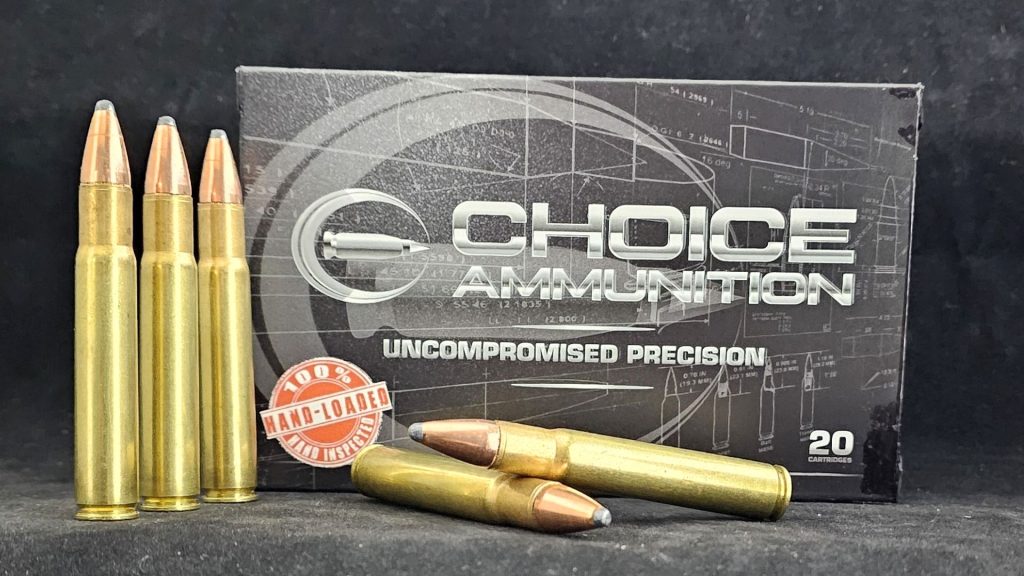
The .35 Whelen has a loyal following, and for good reason. It hits hard, penetrates deep, and handles elk and moose with authority. Hunters who run it tend to trust it completely, especially in timber where shots are close and angles matter.
What keeps it off most recommendation lists is practicality. Ammo options are limited, recoil is stout for many shooters, and rifle choices aren’t plentiful. You don’t suggest it to someone who shoots a few boxes a year. The hunters who love it already know why they do, and they rarely expect anyone else to follow them down that road.
.257 Roberts
The .257 Roberts is one of those cartridges that inspires quiet loyalty. It shoots softly, carries well, and can take deer cleanly when used within its comfort zone. Hunters who grew up with it often speak highly of its manners and effectiveness.
Still, you rarely hear it recommended today. Factory ammo can be hard to find, and modern alternatives offer better velocity and support. New hunters are usually steered toward cartridges with wider availability and more forgiving ballistics. The Roberts works, but choosing it means accepting extra effort, and most people don’t want that as their starting point.
.280 Remington
The .280 Remington sits in an awkward place. It performs well, offers good trajectory, and handles big game without drama. Hunters who use it often defend it fiercely, pointing out how balanced it really is.
Despite that, it struggles for mindshare. The .270 Winchester and 7mm Remington Magnum overshadow it, and ammo selection isn’t always reliable on store shelves. You don’t often recommend it because it requires explaining why it exists. Hunters who already own one appreciate it, but few push others toward it when simpler choices exist.
6.5-284 Norma
The 6.5-284 Norma earns respect for accuracy and long-range capability. It shines in the hands of shooters who understand ballistics and don’t mind fine-tuning their setups. When it works, it works very well.
The hesitation comes from barrel life, ammo availability, and recoil compared to newer 6.5 options. Most hunters don’t want to deal with specialized loads or limited factory support. Those who run it tend to be committed and informed, which is why they’ll defend it—but they’re careful about recommending it to anyone who isn’t already deep into the game.
.45-70 Government
The .45-70 Government has history on its side and unquestioned authority at close range. Hunters trust it for heavy animals and thick cover, and many enjoy the confidence that comes with big bullets and deep penetration.
That same arc-like trajectory and recoil make it a tough recommendation. Past modest distances, it demands discipline and range awareness. Ammo can be expensive, and rifles aren’t light. Hunters who use it accept those tradeoffs willingly. They’ll defend it every time, but they know it’s not the cartridge you suggest to someone who wants flexibility.
.338 Federal
The .338 Federal makes sense on paper. It fits in short actions, hits hard, and works well for larger game without magnum recoil. Hunters who use it appreciate its efficiency and straightforward performance.
What limits its appeal is support. Ammo selection is thin, rifle options are limited, and most hunters don’t see a clear advantage over more common cartridges. You won’t hear many people criticize it outright, but you also won’t hear many recommending it. It lives in that space where defending it feels easier than convincing someone else to buy one.
.224 Valkyrie

The .224 Valkyrie sparked early interest for its potential, and some hunters defend it for light game and careful shot placement. In specific setups, it can perform adequately.
Reality tempered expectations. Ammo inconsistencies, platform sensitivity, and limited margin for error keep it from broad recommendation. Hunters who invested time into making it work may defend it, but they rarely push it on others. It’s a cartridge that asks for commitment, and most hunters would rather point newcomers toward something easier to live with.
.270 WSM
The .270 WSM delivers speed and flat trajectory, and it performs well in the field. Hunters who chose it often like how it carries energy and stretches distance compared to older designs.
The problem is practicality. Short magnums can be finicky, ammo availability varies, and recoil doesn’t always justify the gains. Many hunters quietly move back to standard cartridges after living with one. Those who stick with the .270 WSM defend its performance, but few recommend it when simpler, easier-to-feed options exist.
.300 Weatherby Magnum
The .300 Weatherby Magnum has undeniable reach and power. It’s capable of taking large game at distance and carries a reputation built on real results. Hunters who shoot it well tend to trust it completely.
That trust comes at a cost. Recoil is heavy, ammo is expensive, and rifles aren’t always forgiving. Most hunters don’t need its performance, and many struggle to shoot it well. Owners will defend it based on experience, but they rarely suggest it to others unless they know the shooter can handle everything that comes with it.
.350 Legend
The .350 Legend carved out a niche in straight-wall states and does exactly what it was designed to do. Hunters defend it as effective, legal, and manageable within its limits.
Outside those states, recommendations dry up fast. Trajectory drops quickly, range is limited, and ammo selection can be inconsistent. It works well where it’s required, but few hunters choose it otherwise. That’s why it gets defended passionately by those who rely on it, yet seldom recommended beyond very specific circumstances.
.375 H&H Magnum
The .375 H&H Magnum is legendary, reliable, and respected worldwide. Hunters who carry it trust it completely, especially where large or dangerous game is involved.
For most hunters, though, it’s excessive. Recoil, rifle weight, and cost make it impractical for typical North American hunts. You don’t recommend it unless the hunt truly calls for it. Owners defend it with good reason, but they also understand that recommending it casually doesn’t make much sense.
.264 Winchester Magnum
The .264 Winchester Magnum offers flat shooting and impressive velocity. Hunters who stuck with it learned its strengths and often speak highly of its reach.
Its decline came from barrel wear concerns and competition from newer cartridges. Ammo isn’t always easy to find, and many rifles didn’t age gracefully. Hunters who still use it defend its performance, but most won’t suggest it to someone starting fresh when better-supported options exist.

Asher was raised in the woods and on the water, and it shows. He’s logged more hours behind a rifle and under a heavy pack than most men twice his age.