U.S. deploys Marines near Iran’s key oil hub as tensions rise
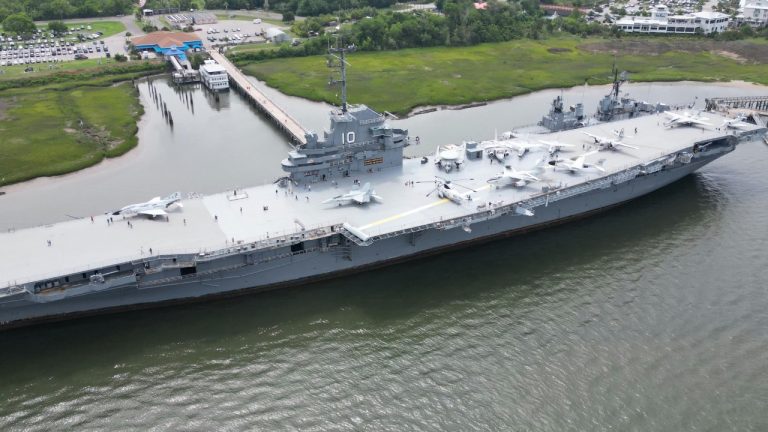
The United States is moving thousands of Marines and multiple warships into waters near Iran’s main oil export routes, tightening a military ring around one of the world’s most sensitive energy chokepoints as the war with Iran intensifies. The buildup places American forces close to Iran’s key oil hub and export lanes at a time when attacks on energy infrastructure and shipping are already rattling global markets.
The deployment signals that Washington is preparing for a prolonged confrontation around the Strait of Hormuz and the wider Gulf, raising the risk that a clash near vital oil terminals could send prices sharply higher and draw in more regional actors.
The new Marine deployments and warships
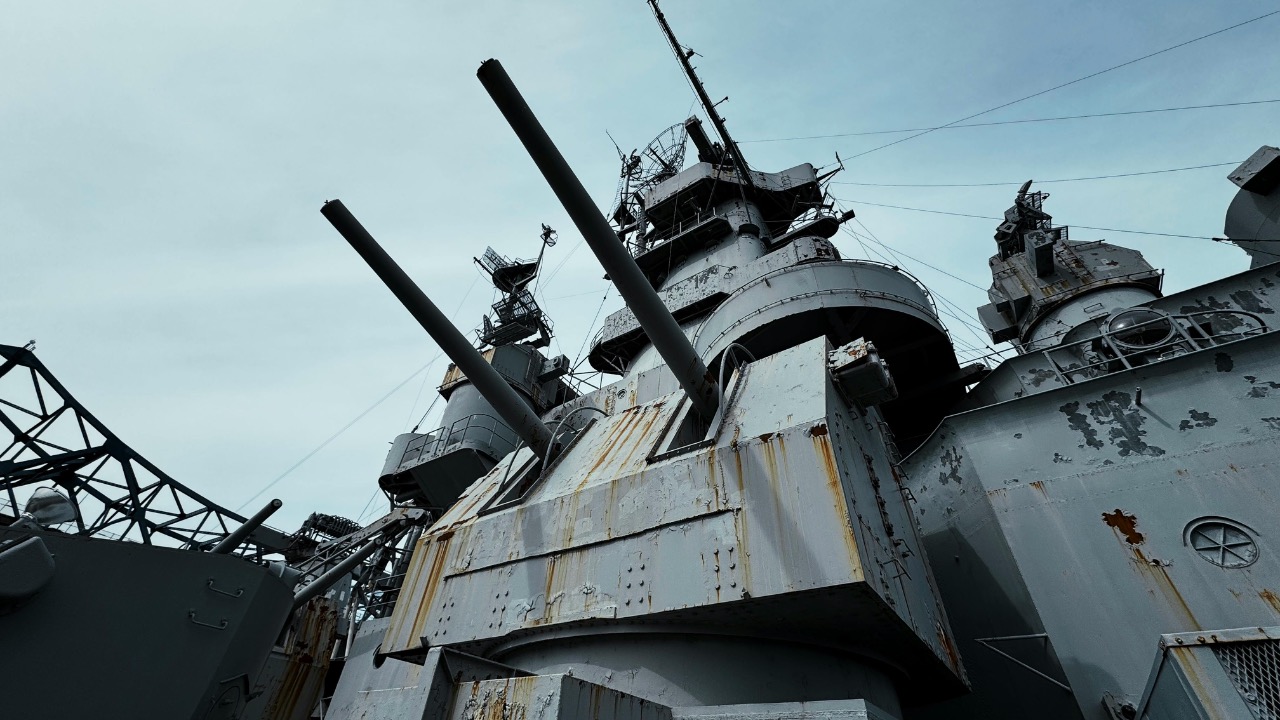
Mar, officials say the United States is sending thousands of Marines and three new warships to the Middle East, a move framed as both reinforcement and deterrent as fighting with Iran escalates. Reporting from Washington describes the deployment of Marines and amphibious assault ships as part of a broader effort to bolster naval and air power in the region, with one account noting that Marines and warships are being rushed toward the Middle East amid the Iran conflict.
A separate breakdown states that the United States plans to deploy thousands of additional troops to the Middle East, with officials describing a significant expansion of options for operations on and around Iranian territory. That same account notes that the decision to deploy thousands of reflects concern that existing forces are stretched by air and naval operations against Iranian targets.
Other reporting describes how The Pentagon is sending three warships and thousands of additional Marines to the Middle East, even as President Trump publicly insists he does not want American troops on the ground in Iran. That account underscores a widening gap between political messaging and the scale of the military buildup, with The Pentagon and President Trump mentioned together as the decision makers behind the move.
Marine units mass near Iran and the Strait of Hormuz
The troop movements are not abstract. One account cites a contingent of 4,500 U.S. sailors and Marines heading to the Middle East, including an infantry battalion landing team built around a Marine expeditionary unit. The reference to 4,500 personnel highlights just how large a single amphibious ready group can be when fully loaded with troops, aircraft, and vehicles.
Earlier in the campaign, President Trump approved the deployment of a Marine expeditionary unit to the Middle East, sending a Marine force toward the Strait of Hormuz as the Iran conflict escalated. That decision, described in detail in a report that cites Mar and On March together with President Trump and Marine, laid the groundwork for the current surge by placing Marines already in the fight near Iran’s maritime approaches.
More recent accounts say the United States Sends Another 2,500 M to Iran as Ground Option Emerges in War, with U.S. Marines from Lima Company, Battalion Landing Team 3/5, reinforcing units already in theater. The description of Sends Another 2,500 to Iran as Ground Option Emerges in War underscores that planners are no longer treating this solely as an air and naval campaign.
A campaign to reopen the Strait of Hormuz
The troop movements sit atop a larger military effort focused on the Strait of Hormuz, the narrow waterway that carries a significant portion of the world’s energy exports. According to a detailed chronology of the 2026 Strait of Hormuz campaign, on 19 March 2026 the United States began an aerial campaign against Iranian targets to reopen the Strait of Hormuz, after Iranian units targeted shipping in the strait. That campaign is described as a concentrated push by the United States against Iranian forces in to restore safe passage for commercial vessels.
Complementing that account, another analysis of the 2026 Strait of Hormuz crisis explains that The Strait of Hormuz is a major maritime choke point for global energy trade and that disruptions have already affected shipments not only of crude oil but also aluminum, fertilizer, and helium. That overview of Strait of Hormuz sets the backdrop for why Washington is willing to risk placing Marines so close to Iranian territory.
On the tactical level, U.S. Military Ramps Up to Clear Strait of Hormuz, with warplanes and attack helicopters described as hunting and killing Iran fast-attack warships and drones that threaten commercial shipping. That account of Military Ramps Up to Clear Strait of Hormuz shows how air assets and Marines afloat are working in tandem to keep shipping lanes open.
Why this matters for global oil and Iran’s key hub
The strategic concern is not abstract. Analysts at one major policy institute estimate that Fully 20% of the world’s oil supply and 20% of the world’s supply of liquefied natural gas, or LNG, pass through the Strait of Hormuz. The same assessment warns that if the Strait is effectively closed, the shock to global energy markets would be immediate and severe, with the explanation of how Fully 20% and are tied to this single chokepoint.
Market reactions are already visible. One financial briefing notes that Oil Prices Surge Amid US, Iran Tensions, with Gotrade News reporting that global oil prices saw a sharp increase, rising nearly 2%, on Monday as traders reacted to attacks on Iranian-linked energy sites and the risk of further disruption. That same analysis of Oil Prices Surge suggests that even modest military escalations near Iran’s oil hub can jolt prices.
The battlefield itself has moved closer to Iran’s energy infrastructure. In one key episode, President Donald Trump said the United States bombed military sites on an island vital to Iran’s oil exports, a location described as critical to the country’s ability to load and ship crude. That strike, reported from DUBAI, United Arab Emirates, marked a new level of retaliation and directly linked U.S. action to Follow AP coverage and its oil infrastructure.
Domestic and international backlash
The troop surge is not happening in a political vacuum. One summary of public opinion notes that a Poll shows a large majority of U.S. voters oppose ground operations in Iran, even as a Marine expeditionary force readies for Middle East deployment. That finding, referenced simply as Poll data, suggests that domestic patience for a widening war is limited.
Abroad, critics describe the U.S. campaign as an illegal war and question the legal basis for sending thousands of additional troops. One social media post frames it starkly, stating that The United States is deploying thousands of additional troops to the Middle East while widening military options in its illegal war, and asking where the American people stand on the escalation. That critique of United States is captures a growing sense of unease among foreign observers.
Regional players are also recalculating. One analysis asks Why the United States Fears Seizing Strait of Hormuz Islands Despite Boasting World’s Strongest Military, arguing that any attempt to occupy Iranian-held islands in the Middle East could trigger a wider confrontation with states that depend on oil exports. That piece, which references Why and Fears Seizing Strait of Hormuz Islands Despite Boasting World Strongest Military, highlights the risks of pushing Marines from offshore staging areas onto contested land.
Escalation risks and what comes next
As more troops and ships arrive, the risk of miscalculation grows. Reports describe No End in Sight to Iran Conflict as U.S. Deploys 2,500 M and Warships Washington, with Mar and No End and Sight and Iran Conflict and Deploys and Marines and Warships Washington all used to convey the sense of an open-ended mission. Another update notes that US deploying 3 more warships and roughly 2,500 m Marines to the Middle East, underlining how each new wave of forces raises the stakes for both sides.

Asher was raised in the woods and on the water, and it shows. He’s logged more hours behind a rifle and under a heavy pack than most men twice his age.