The hunting stories that change when land ownership shifts
Across rural America, the stories hunters tell about first deer, long walks in, and neighbors waving them through a gate are colliding with a new reality of leases, locked roads, and legal fights over invisible corners. As land changes hands and ownership consolidates, the same hills and fencerows now produce very different memories depending on who holds the deed and who holds the permission slip. The shift is reshaping not only access to game, but also family finances, community ties, and the unwritten rules that once governed where a hunter could go.
The old stories of access meet a new generation of owners
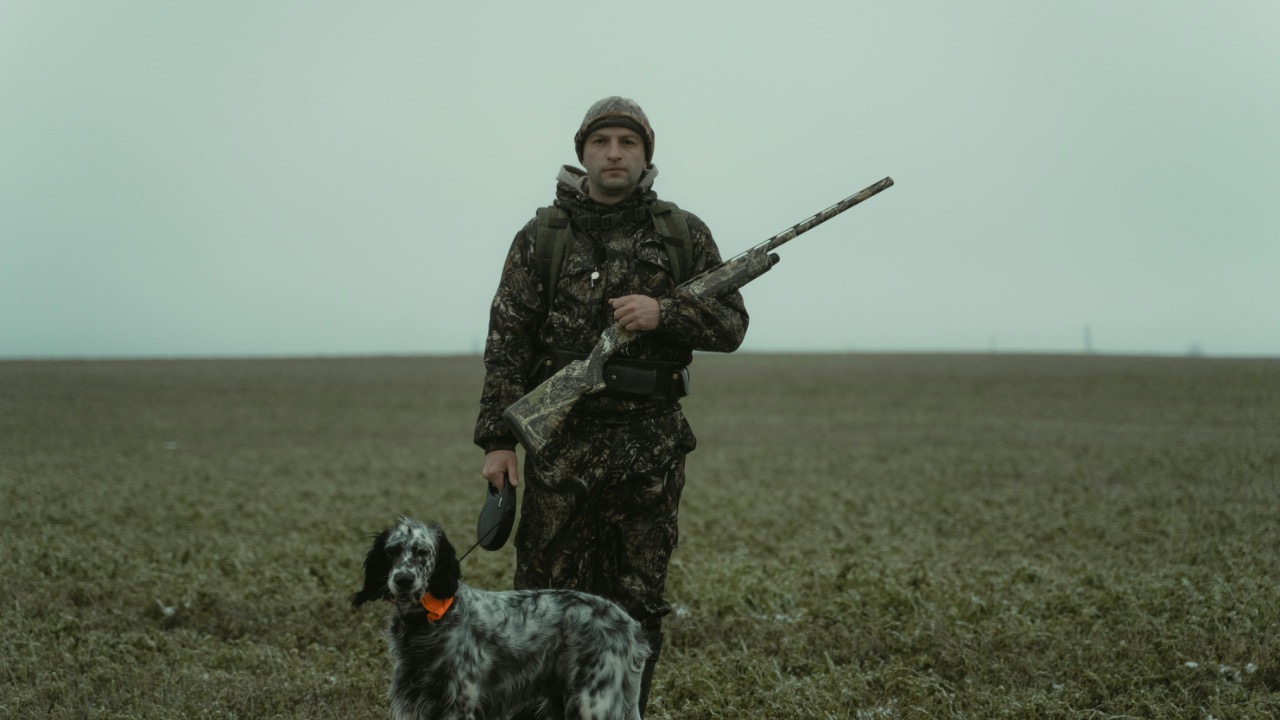
For older hunters, the baseline story often begins with a handshake. A teenager might have knocked on a farmhouse door, promised to shut gates, and walked away with permission to hunt an entire section. Those arrangements were personal, informal, and built on the idea that hunting went hand in hand with working land.
That culture is under pressure as ownership patterns tilt toward buyers who see acreage as financial security or a lifestyle investment. One longtime landowner, writing about land ownership and, describes the downside of treating ground as the primary savings account. When emergencies or retirement arrive, families often feel compelled to sell part of their holdings, even if they would rather keep every acre in the family. That sale can be the moment a familiar hunting story breaks in two, with the seller remembering decades of open access and the buyer arriving with a different plan.
New owners frequently inherit not just fields and timber, but also expectations. Neighbors assume they will still be able to cross a corner or follow a traditional dog route. Meanwhile, buyers who have stretched to purchase a property may feel pressure to protect it as a financial asset. Recreational tracts are now described as a growing asset class, with recreationalhunting land marketed as both a place to chase deer and a hedge against inflation, influenced by interest rates and broader economic swings. That investment framing encourages owners to think in terms of leases, liability, and resale value instead of casual permission.
Over the last few decades, analysts of rural property markets have described a noticeable shift in farm and land ownership trends. One farm real estate group notes that Over the years, land has moved away from multi-generation family operators toward a mix of investor owners, absentee heirs, and lifestyle buyers. That change in who owns the ground has brought a significant switch in land management, from crop choices to how and whether outsiders are allowed to hunt.
Public land pressure and the rise of leases
As private access tightens, more hunters are crowding onto public tracts. One bowhunting analysis of public land huntingnotes that as interest in hunting grows, pressure on open ground has forced experienced hunters to change their approach. They are hiking farther from parking lots, targeting overlooked pockets, and in some cases considering paid leases as a last resort when traditional access disappears.
That last resort is becoming a central storyline. One leasing platform’s Hunting Lease Guide example, frames the shift bluntly. For many years hunters leaned on public land and informal permissions. Now, as some public parcels are crowded and private access shrinks, more people are looking for other ways to stay in the woods. Leasing offers a structured alternative, but it also formalizes a divide between those who can pay and those who cannot.
On social media, hunters are debating why lease prices and out of state trips have climbed. In one discussion, a poster describes a conversation with older farmers who said they had let the previous generation hunt, but Their patience had worn thin with strangers, new technology, and bigger groups. That sentiment helps explain why some owners now prefer the predictability of a paid lease with a small, known group of hunters rather than a patchwork of neighbors and friends.
For landowners, leasing can be a financial tool. Guidance on how to Renting Land for notes that hunters in particular seek private land for deer and waterfowl seasons. Landowners can charge access fees or sell permits while keeping upkeep low, turning what was once free access into a revenue stream that helps with taxes or improvements.
On the other side of that equation, testimony to a legislative committee in Kansas observes that Very few hunters can afford thousands of dollars for exclusive leases or guided trips. The document notes that most hunters begin, and continue, their careers on public lands because they cannot pay for high priced private access. When more private acres shift into fee based arrangements, the pressure on public ground intensifies and the stories that come out of those crowded trailheads change accordingly.
Corner crossing and the checkerboard fight
Perhaps no single issue captures the collision between public access and private rights as sharply as corner crossing. In parts of the West, public and private parcels meet at four way corners in a checkerboard pattern. Hunters can legally stand on public land, and the next square over is also public, but the only way to move between them is to step across a point where private land touches.
One legal analysis describes how a Checkerboard pattern of land ownership in the West has pitted private interests against public access. A private landowner sued hunters who used a ladder to cross at the corner, arguing that even though the hunters never set foot on private soil, they violated airspace rights. The case drew national attention because it threatened to determine whether millions of acres of public land are practically off limits.
Hunters and advocates have tried to explain the stakes in plain language. In a detailed video titled Corner CrossingHistory and Trends Part 1, the host Randy lays out how the checkerboard came to be and why corner access matters to both elk hunters and ranchers. He traces the history of railroad grants, later sales, and the modern tension between those who want uninterrupted grazing units and those who see public squares as a shared resource that should not be landlocked by geometry.
On hunting forums, some landowners warn that legalizing corner crossing would undercut property values. One commenter argues that corner access would erase billions in private property value, while another responds that if owners are so worried about access and trespassing, they should work with BLM on land swaps to make their holdings contiguous. That exchange captures the broader divide. One side sees corner crossing as a threat to control and value. The other sees it as a way to unlock public ground that is currently functionally private.
Reports on inaccessible parcels show how high the stakes have become. A joint study on landlocked public tracts notes that But as land ownership patterns have shifted, sportsmen and women more frequently encounter no trespassing signs and locked gates that block access to public land. Those barriers have become a major obstacle to hunting and fishing, turning what appears open on a map into a patchwork of legal dead ends.
Law, trespass, and the shrinking gray area
As ownership turns over and legal fights multiply, the informal gray zones that once governed hunting are disappearing. Where a neighbor might have quietly tolerated a truck cutting a corner of a hayfield, new owners are more likely to post boundaries and call law enforcement.
Legal guides for property owners and hunters are explicit. One summary of state statutes explains that it is against the law for hunters to trespass on private property without the landowner’s permission, even if the land is not posted and even if the person has a license. The same resource stresses that in many states, criminal trespass can apply regardless of signage. That principle is laid out clearly in a summary of hunting, which has become a reference point for both sides of access disputes.
Complaints about trespass are not theoretical. A report on deer hunters using dogs in Florida describes how Most of thecomplaints to authorities centered on dogs and sometimes hunters crossing private land. Landowners viewed those crossings as trespassing and pressed for stricter enforcement and tighter dog hunting rules. That friction illustrates how quickly a traditional practice can become a legal flashpoint when property rights harden.
Online hunting advice reflects the new caution. One viewer question and answer session on Beating Swirling WindsReading Rubs and Hunting Property Lines includes extended discussion of how to stay on the right side of a fence while still taking advantage of deer movement along edges. The hosts talk about reading sign near boundaries without crossing them, and the chat repeatedly returns to the risk of stepping even a few yards onto land that is off limits.
At the same time, state specific debates over public access to nominally public tracts are intensifying. In Nebraska, a petition drive has targeted state owned parcels that are leased out in ways that effectively make them private. One organizer complains that That land is as close to private as it gets, because the state receives a set lease amount and when the lease comes up for renewal it is often renewed without open competition. For hunters who grew up thinking of state ground as theirs, that kind of arrangement feels like a quiet transfer of rights away from the public.
How private stories shape public land experiences
The ripple effects of private ownership changes are felt most acutely on public ground. As more hunters lose private permission or are priced out of leases, they concentrate on accessible tracts that are already heavily used.
One whitetail series on Hunting Pressure on Public Land Whitetails, part of a project called Painting Public, walks through how deer respond to that pressure. The hosts describe bucks shifting to overlooked corners, bedding closer to roads, and moving more at night as human presence increases. They also talk about how hunters must adjust, focusing on wind, subtle sign, and weekday hunts to stay effective in a crowded setting.
Another group of hunters, in a conversation about how They share personal stories from their early hunting days, contrasts those memories with current conditions. One participant, Drew Palmer, is introduced as a Rural land specialist who has watched the hunting land situation change from both sides of the transaction. The discussion highlights how the same county that once offered multiple free permission spots now requires a mix of public land strategy, networking, and sometimes payment.
The stories that emerge from public land today often feature long hikes, crowded parking lots, and creative workarounds. Articles on adapting to Public Land Hunting and social posts tagged with phrases like How to Adapt and Changing Landscape emphasize scouting overlooked access points, floating rivers, or using satellite imagery to find small, legal entry routes. The same brand reinforces those themes on Public Land Hunting feeds and How to Adapt boards, while subscription offers at Changing Landscape target readers who want to keep up with evolving tactics.
At the policy level, advocates argue that public land access is a core equity issue in hunting. The Kansas testimony that described how Very few hunters can pay for expensive leases frames public land as the main on ramp for new participants. If those tracts are overcrowded, landlocked, or leased away, the next generation may never build the stories that keep them engaged.
When owning the farm becomes the dream and the dilemma
For some hunters, the response to shrinking access is simple in concept and complex in practice: buy land. Entire podcast series are devoted to that ambition, including one November Update episode where a host tells listeners, “If You Haven’t Bought Your First Farm Yet, Keep Grinding.” The show, introduced with a friendly “Welcome to the land podcast,” targets people who want to move from guests to owners and build their own managed properties. That ethos is on display in a November Update segment that blends motivational talk with practical advice on financing and improvements.
Ownership, however, comes with tradeoffs. The same landowner who wrote about having ground as primary savings warned that family obligations can force sales. That tension shows up in transformation stories, such as a video following a Two Year Turn-Around on a small property. The narrator describes how he and his wife spent a weekend walking the timber, calling Tim to confirm which tree to start with as they began habitat work. Food plots, hinge cuts, and stand placement turned a generic parcel into a tailored deer property, but also increased its market value and appeal as a private hunting haven.
As more hunters become owners, they face their own decisions about access. Some choose to lease a portion of their acreage to offset costs. Others keep it strictly family only, wary of liability or pressure. Advice columns on making money from land point to a menu of options, from short term day passes to long term exclusive leases. Each choice shapes the stories that outsiders tell about the property, whether as a cherished lease that produced a first buck or a locked gate that ended a decades long tradition.
There is also a growing niche of owners who deliberately buy next to public land. One analysis of the Benefits of Owningnotes that some tracts of public ground are landlocked and cannot be accessed except through private property. They are essentially private for the neighbor who owns the only route in. That dynamic creates powerful incentives to acquire boundary parcels, not just for their own acreage, but for the de facto control they confer over nearby public habitat.
Social media, shifting norms, and the stories hunters tell each other
As access questions grow more complex, hunters are increasingly turning to online communities to compare notes and vent. The tone ranges from practical advice to sharp criticism of both landowners and fellow hunters.
On Reddit threads about leasing and out of state trips, some posters describe feeling pushed off family spots when farms change hands. Others defend landowners’ right to control access, especially after negative experiences with trash, damaged fences, or unsafe shots. The Jan conversation where Their older farmers explained why they stopped letting strangers hunt captures a recurring pattern. A few bad encounters harden attitudes and ripple out through local word of mouth.

Leo’s been tracking game and tuning gear since he could stand upright. He’s sharp, driven, and knows how to keep things running when conditions turn.