Foreign firearms that built a reputation the hard way
Some firearms earn their place in history not through slick marketing or patriotic mythology, but by surviving mud, bad ammo and indifferent soldiers on battlefields far from their factories. Foreign designs in particular have had to prove themselves in hostile conditions and skeptical markets before shooters accepted them as trusted tools.
From the stamped steel of the AK family to the polished engineering of Swiss and German makers, these guns built reputations the hard way, one deployment and one export contract at a time. Their stories trace how reliability, not origin, ultimately decides which weapons define an era.
The AK-47 and the myth of indestructibility
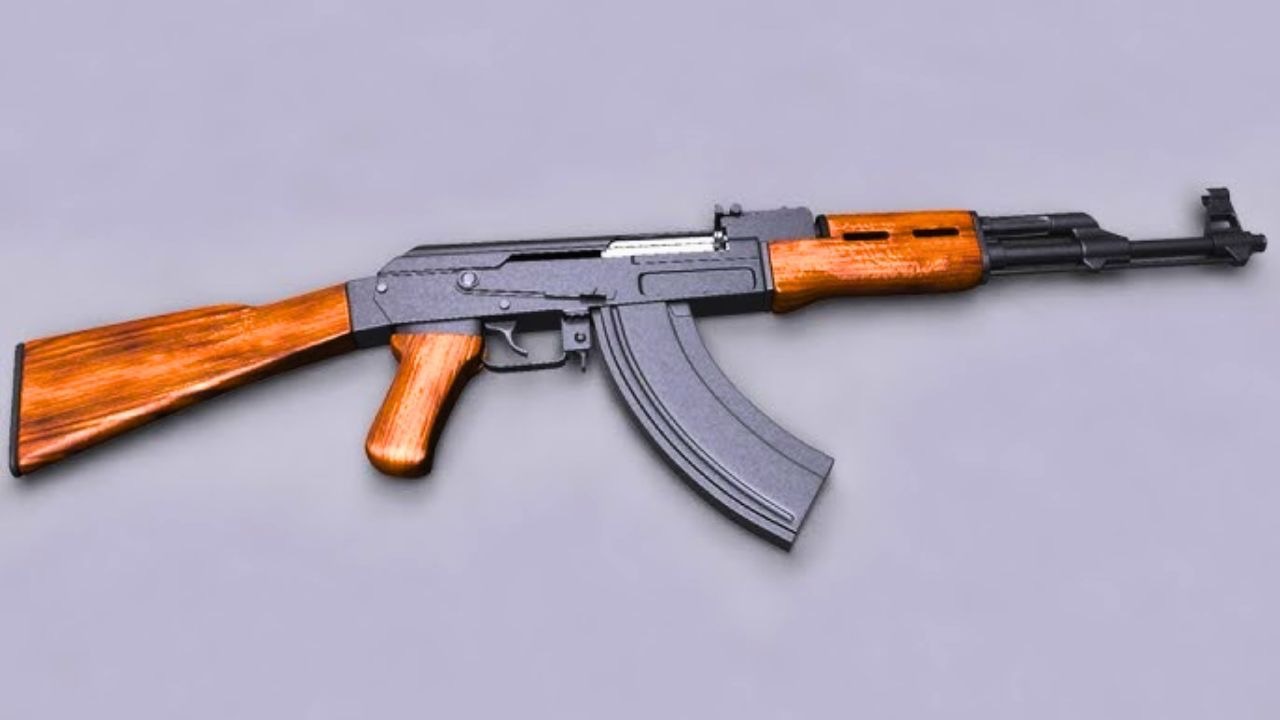
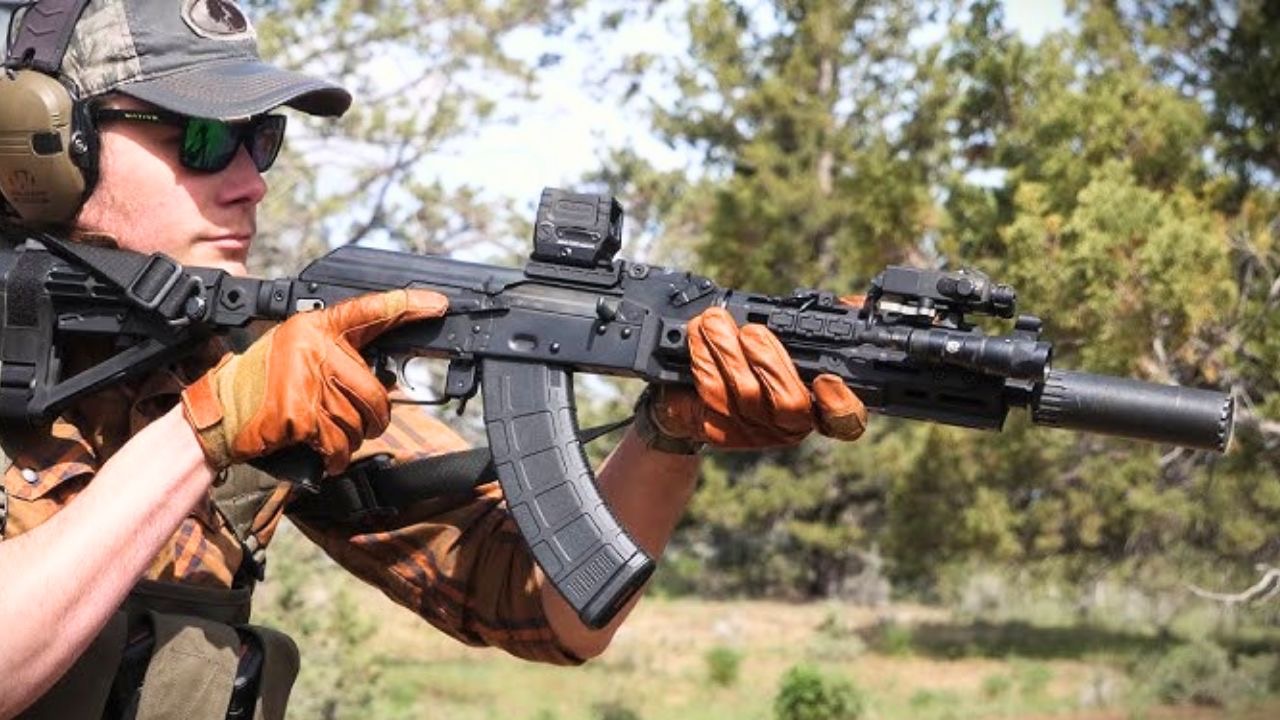
Few firearms embody a hard-earned reputation like the AK-47. After its introduction in the late 1940s, the rifle spread across continents as governments armed allies and proxies. According to AK-47 history, After more than seven decades since its creation, the AK-47 model and its variants remain one of the most popular and widely used firearms in the world. That endurance is not an accident. It is the product of loose tolerances that shrug off sand and ice, simple controls that conscripts can master quickly, and a design that accepts rough handling without catastrophic failure.
Veterans of conflicts from Southeast Asia to the Middle East describe rifles that kept working after neglect that would sideline more delicate platforms. Informal rankings of iconic weapons regularly place the AK near the top, with enthusiasts on one discussion of the most recognizable guns listing the AK-47 right alongside sidearms that fought through 2 World Wars and labeling it the gun of the Soviets in countless smaller wars, while also acknowledging its status as a ubiquitous insurgent rifle with the simple tag 47. That kind of cultural imprint grew out of lived experience with a rifle that was cheap, available and, above all, functional.
The AK’s reputation has also been reinforced by the number of manufacturers that copied or adapted the pattern. Licensed and unlicensed factories in Eastern Europe, Asia and the Middle East have turned out variants that sometimes diverge in quality, yet the core mechanism remains recognizable. When a design survives that many interpretations and still works acceptably in the hands of poorly trained fighters, it earns its myth.
Heckler and Koch and the precision export
Where the AK-47 became a symbol of mass production, Heckler and Koch built its name on precision engineering. The company emerged in postwar Germany as a successor to the Mauser tradition, with one analysis describing Heckler and Koch as a postwar German arms maker that rose from the ashes of the legendary Mauser corporation. That same assessment credits the firm with a series of influential military and police designs that helped define Western small arms in the late twentieth century, from roller-delayed rifles to compact submachine guns.
In a broader review of top global manufacturers, Heckler and Koch appears again among the world’s best gun makers, with particular attention to its role in high-end service pistols and carbines for elite units. The company’s products are not typically cheap, but they have become a byword for durability and accuracy in specialist circles. That reputation was not granted easily. It grew from decades of contract competitions, trials in harsh climates and feedback from units that demanded reliable performance in hostage rescues, counterterrorism raids and long deployments.
The company’s influence extends beyond its own logo. Licensed and unlicensed copies of its designs have appeared in other countries, and civilian shooters often treat an H&K pattern rifle or pistol as a benchmark for what a modern service weapon should feel like. In that sense, the firm’s reputation has been forged as much in foreign police armories and private ranges as in German factories.
Swiss neutrality, Swiss rifles
Switzerland’s political neutrality has not prevented it from producing some of the most respected service rifles in the world. A widely viewed video on how a neutral country built one of the best combat rifles ever highlights the contrast between Swiss political restraint and its meticulous approach to small arms. In that presentation, the host Dec walks through the evolution of Swiss service rifles and jokes with a colleague named Jeremy about dropping a piece of chocolate, then remarks on the heat while referencing Swiss neutrality and Swiss chocolate as shorthand for the country’s global image.
Behind the humor sits a serious point. Swiss designers built rifles for a conscript army that expected precision and reliability in alpine conditions. That meant actions that cycled cleanly in snow, sights that allowed accurate fire at distance and manufacturing standards that matched the country’s reputation for watches and banking. The result was a series of rifles that, while never as widely exported as the AK or Western service rifles, earned a devoted following among collectors and shooters who prize consistent performance.
These Swiss guns did not gain their status through mass adoption in global conflicts. Instead, they accumulated respect through careful craftsmanship and the testimony of those who used them in demanding training and reserve service. In a market often dominated by volume and cost, that is its own hard path to recognition.
Glock and the polymer revolution
Handguns from Austria faced a different kind of skepticism when they entered foreign markets. The GLOCK 17 arrived as a polymer framed, striker fired pistol at a time when many shooters trusted only steel and hammer fired designs. A feature on the Greatest Firearms in History notes that Gaston Glock created what is now an iconic sporting and self-defense weapon, the Glock 17, and places it among the most influential guns ever made. That status was not obvious at launch.
Police agencies and militaries initially questioned whether a plastic framed pistol would survive daily duty use, rough handling and exposure to heat and cold. Over time, the answer came from the field rather than the brochure. Departments that adopted the design reported reliable function with minimal maintenance, while competitive shooters pushed the platform through high round counts without major parts failures. The Glock 17 and its descendants became standard issue in forces across Europe and North America, and the brand name turned into shorthand for a whole category of modern handguns.
GLOCK’s success also changed what foreign meant in the handgun market. Once agencies and civilians saw an Austrian design outperform domestic options in reliability tests and training, resistance to imported duty pistols softened. The company’s trajectory showed that a foreign maker could not only compete in the American market, but redefine expectations for what a service pistol should be.
Beretta and the long game
Few foreign manufacturers have invested as heavily in the United States as Beretta. The Italian company, known globally for handguns and shotguns, has aggressively courted American buyers. One detailed look at import trends notes that Beretta, a maker of handguns and shotguns, has hired an Elvis Presley impersonator for live events to promote its products. That kind of marketing would ring hollow if the guns did not perform, but Beretta’s long history of military contracts and sporting success has given the brand credibility.
Another analysis of global handgun imports points out that Other popular brands among American handgun owners, such as Beretta and Heckler & Koch, are manufactured in countries like Italy and Germany. The phrasing underlines how normalized foreign pistols have become in a market once dominated by domestic makers. Beretta’s adoption as a standard sidearm for major militaries, including long service in the United States armed forces, helped cement that acceptance.
The company’s presence also illustrates the complex ethics of global arms trade. A separate investigation into how Western-made firearms continue to appear in sanctioned markets notes that Particular attention has been paid to the brands CD Europe, Beretta, and Česka Zbrojovka due to their close relationships and joint ventures with Russian partners prior to Russia’s 2022 invasion of Ukraine. That scrutiny shows how a brand that built its name on craftsmanship and reliability must now navigate political pressure over where its weapons ultimately end up.
Česká zbrojovka, Colt and the cross-Atlantic loop
Czech manufacturer Česká zbrojovka, often abbreviated as CZ, has followed a different path to global recognition. Its pistols and rifles gained a reputation among enthusiasts for solid machining and good ergonomics at competitive prices. That reputation eventually translated into corporate expansion. One business report notes that Last year Česká zbrojovka bought Colt’s Manufacturing Company, highlighting how a European firm acquired an iconic American brand.
A separate overview of historic brands repeats that Last year Česká zbrojovka bought Colt’s Manufacturing Company, underscoring the significance of a foreign maker taking control of a name associated with the American frontier, the 1911 pistol and decades of military contracts. For CZ, the move was both a business decision and a statement of confidence that its products could stand alongside Colt’s legacy in the United States.
The acquisition also closed a loop in firearms history. Colt had long exported designs that influenced foreign makers. By purchasing Colt, Česká zbrojovka brought that heritage back under foreign ownership, while continuing to sell its own CZ branded pistols and rifles into the American market. The deal showed that foreign gun makers were no longer just guests in the world’s largest civilian firearms market. They were owners and shapers of its most storied names.
Fabrique Nationale and Browning’s global reach
Fabrique Nationale in Belgium built its reputation through a mix of domestic innovation and international partnerships. Many still do, such as Fabrique Nationale products, according to one discussion of whether American guns are superior to foreign designs. That casual reference reflects a deeper truth. FN has supplied military and police forces around the world for more than a century, often through collaborations that blend European engineering with American design.
An overview of firearm history points out that His “humpback” Auto 5 shotgun was a tremendous success, popular still today, and has been made by Fabrique National, Remington, and Browning. The pronoun His in that sentence refers to John Browning, whose Auto 5 design became a workhorse semi automatic shotgun. Here, Fabrique National (spelled without the final e in the source) shared production with American firms Remington and Browning, illustrating how foreign and domestic manufacturers jointly carried a design into global markets.
Browning’s early pistols also traveled widely. A focused history of the brand notes that Initially designed as a military weapon, it (Model 1900) soon earned a reputation for ruggedness and reliability. Eventually, the gun was adopted by many other countries. The Model 1900 helped establish a template for compact service pistols that other makers, including European firms, adapted and refined. FN’s role in producing Browning designs gave the Belgian company a foothold in both European and American markets, reinforcing its image as a trusted source of combat proven firearms.

Leo’s been tracking game and tuning gear since he could stand upright. He’s sharp, driven, and knows how to keep things running when conditions turn.