Wildlife encounters that turn dangerous in seconds
You don’t spend much time outdoors before you realize how fast things can turn. Most wildlife wants nothing to do with you. But every now and then, distance collapses, timing goes bad, or you read the situation wrong. That’s when a calm encounter turns into something else.
Danger in the field rarely comes with warning. It builds quiet, then shows up all at once. If you spend enough time hunting, fishing, or hiking, you either learn these moments the easy way—or the hard way. Here are the encounters that can go sideways in a hurry, and why they do.
A Whitetail Buck at Close Range
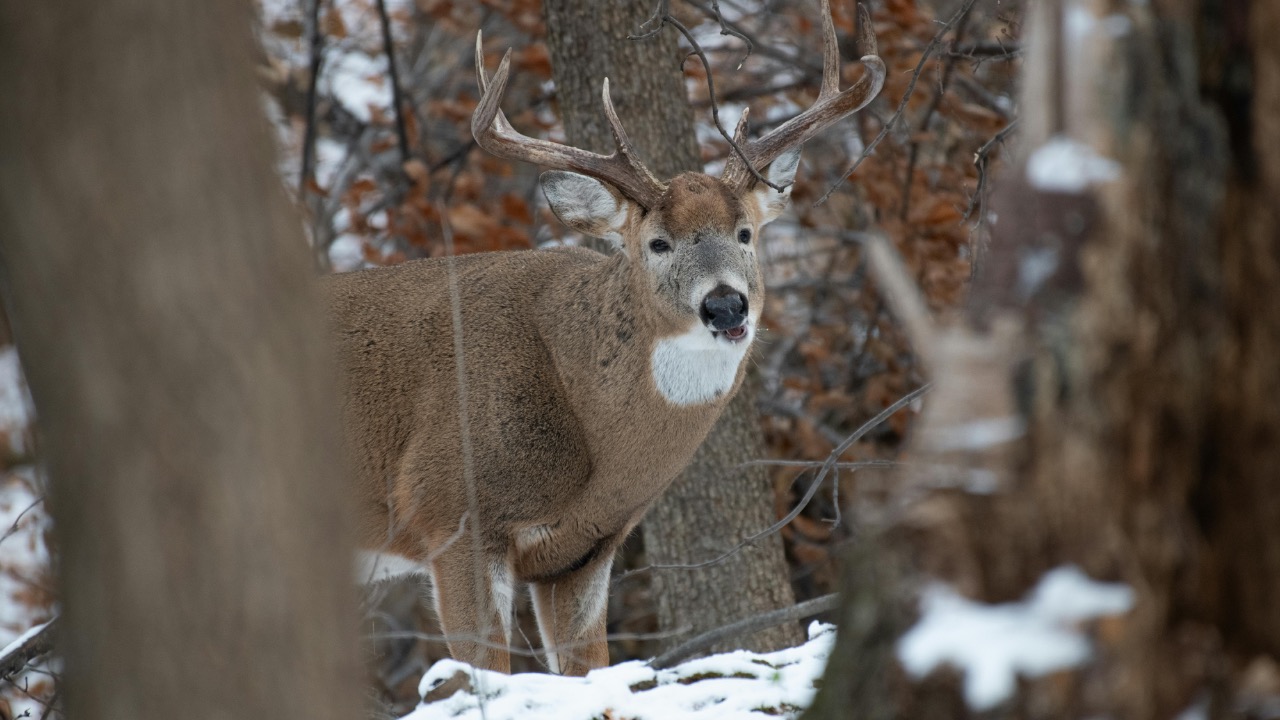
You don’t think of deer as dangerous until you’re inside their comfort zone at the wrong time. During the rut, a mature buck is wired differently. He’s focused, aggressive, and not always thinking clearly.
If you stumble into one at close range, especially in thick cover, he may not bolt. He might size you up instead. Those antlers aren’t for show, and a quick charge can happen before you process what’s going on. It’s rare, but when it happens, it’s violent and fast. Most close encounters end with the deer running off—but when they don’t, you’ve got no time to react.
A Wounded Feral Hog in Thick Brush
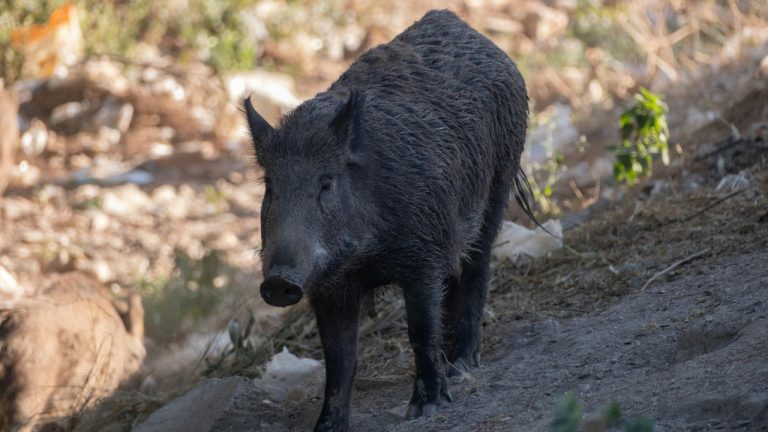
Feral hogs don’t get enough respect for how tough and unpredictable they are. You put a bad shot on one, and it doesn’t go far—it finds cover.
Walking into that brush to track is where things fall apart. A wounded hog will hold tight, then break cover at full speed when you get close. They don’t bluff. You’ll hear it before you see it, and by then, you’re already in it. Those tusks can do real damage, and they come in low. It’s one of the quickest ways a routine hunt turns into a mess.
A Cow Moose Protecting Her Calf
People think of moose as slow and almost comical until they get too close to a cow with a calf. That’s when the mood changes.
A cow moose doesn’t give much warning. Ears back, head low, and she’s moving. You won’t outrun her in thick country, and she doesn’t need to bite or gore you to do damage—she’ll stomp. Most incidents happen when someone unknowingly walks between cow and calf. It’s not aggression for the sake of it. It’s protection, and it comes fast and hard.
A Black Bear at a Food Source
Black bears usually avoid people, but food changes the equation. Whether it’s a gut pile, a campsite, or a cooler left open, they’ll come in quiet.
If you cross paths with one already feeding, the reaction isn’t always to run. Sometimes it stands its ground. That’s where things get tense. You’re now between an animal and something it wants. Most bears will still break off, but hesitation on either side can stretch the moment out. If the bear decides to push forward instead of backing off, you’ve got seconds to make the right call.
A Rattlesnake Underfoot
You don’t always hear a rattlesnake before you step too close. In dry country, they blend in so well you can walk right into one without knowing it.
That’s where things get dangerous. A startled snake strikes fast, and at close range, you’re not dodging it. Most bites happen on hands and lower legs, usually when someone is stepping over logs or reaching where they can’t see. It’s not aggression—it’s defense—but that doesn’t make it any less serious. You don’t get much warning, and you don’t get a second chance to avoid it.
A Bull Elk During the Rut
A bull elk in September isn’t thinking about you. He’s focused on cows, territory, and anything that looks like a rival.
That becomes a problem when you’re calling or moving through timber. If he comes in and spots you at close range, the reaction can flip from curiosity to confrontation. He’s big, fast, and willing to close distance. You might think you’re the hunter in that moment, but it doesn’t take much for roles to reverse. When a bull commits, it happens quick, and backing out clean isn’t always easy.
A Mountain Lion at Close Distance
Mountain lions are around more than you think—you just don’t see them. Most encounters end before you ever know it happened.
The rare times you do see one, it’s already close. That’s what makes it serious. Lions rely on surprise, and if one is visible, something has already shifted. It may be curious, it may be sizing you up, or it may be deciding you’re not worth it. Either way, you’re inside its space. Sudden movement or turning your back can make things worse. You need to stay steady and aware, because there’s no buffer left.
A Bison That Decides You’re Too Close
Bison look slow until they aren’t. In open country, people underestimate how quickly they can cover ground.
Get too close—especially around calves or during breeding season—and they won’t hesitate. There’s no bluff charge half the time. It’s a full commit, and you’re not outrunning something that size on flat ground. Most incidents happen because someone misjudges distance. You think you’ve got room, then the animal decides otherwise. When it goes bad, it goes bad in a heartbeat.
Out there, most days are quiet. Animals move off, and you never come close to trouble. But every one of these situations has the same thread—you don’t get much time to fix a mistake.
That’s why awareness matters more than anything you carry. Keep your distance, read the signs, and don’t assume an animal will react the way you expect. The woods don’t give warnings twice.

Asher was raised in the woods and on the water, and it shows. He’s logged more hours behind a rifle and under a heavy pack than most men twice his age.