Home Defense Guns That Aren’t as Dependable as People Think
When you’re picking a gun for home defense, reliability isn’t a bonus feature—it’s the whole point. A lot of firearms get talked up as solid choices because they look tough, feel good at the counter, or come with a familiar name attached. The problem is that living-room distances don’t magically erase design flaws, ammo sensitivity, or mechanical shortcuts. Some guns behave well on a clean range and then start showing cracks once you run them hard or let them sit.
Experience teaches you that reputation and performance don’t always line up. These are home defense guns that people trust more than they probably should, especially once real-world use enters the picture.
Taurus Judge
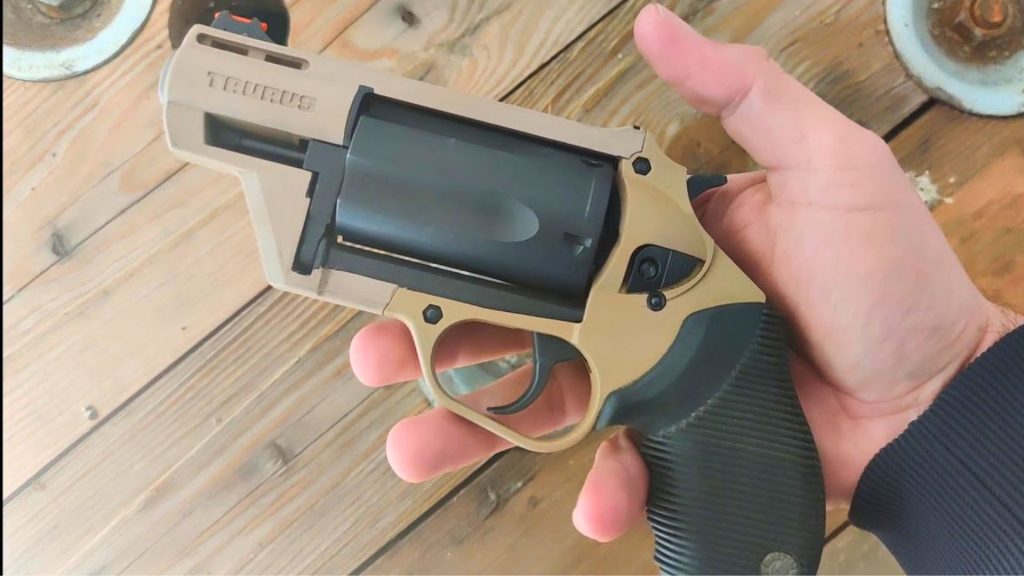
The Taurus Judge gets a lot of attention because it fires both .410 shells and .45 Colt, which sounds reassuring on paper. In practice, that versatility comes with tradeoffs that affect dependability. The long cylinder and shallow rifling can lead to inconsistent ignition and uneven performance between loads.
You may also notice that extraction can get sticky, especially after shooting .410 shells that leave residue behind. The heavy trigger pull doesn’t help matters when accuracy matters most. While it can function well in ideal conditions, the Judge tends to demand more attention and load testing than most people expect from a defensive revolver.
Remington R51
The R51 was marketed as a modern defensive pistol with clever engineering, but real-world performance told a different story. Early models were plagued with feeding issues, light primer strikes, and erratic ejection that frustrated even patient shooters.
Even after revisions, the hesitation around the design never fully faded. The grip safety and internal system require a very specific grip to function properly, which isn’t something you want to think about under stress. When a pistol needs ideal hand placement to stay running, it stops feeling like a dependable choice for guarding your home.
Kimber Solo
The Kimber Solo looks refined and carries a premium price tag, which leads many to assume it’s built for serious defensive use. The problem is that it’s notoriously picky about ammunition, often requiring hotter loads to cycle correctly.
That sensitivity shows up as failures to feed or eject when you step outside a narrow ammo window. For a home defense gun, needing a specific load to function reliably creates unnecessary risk. You want something that runs with common, readily available ammunition, not a pistol that acts temperamental when conditions aren’t perfect.
Hi-Point C9
The Hi-Point C9 has a reputation for affordability and rugged looks, but dependability can be inconsistent. While some examples run fine, others struggle with feeding and magazine-related problems that surface quickly during repeated firing.
The bulky slide and simple internals also translate to heavier recoil impulse than expected, which can affect control and follow-up shots. When combined with spotty quality control, the result is a pistol that may work well for one owner and frustrate the next. That uncertainty isn’t what you want when the stakes are high.
Kel-Tec KSG
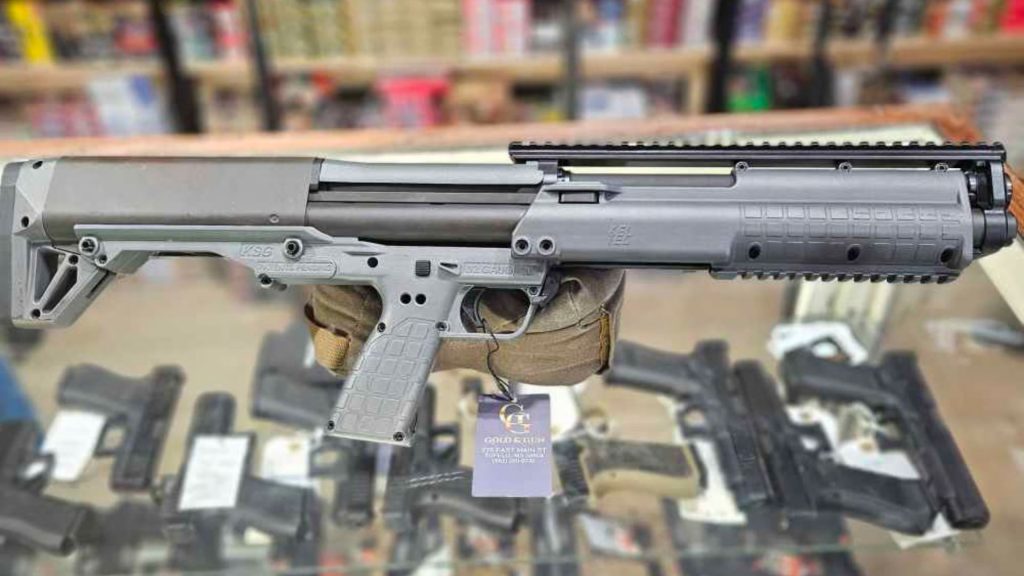
The Kel-Tec KSG gets attention for its compact size and dual magazine tubes, but that complexity can work against reliability. Short-stroking the pump is easier than many expect, especially for shooters unfamiliar with its rhythm.
Loading and switching between tubes adds another layer of potential confusion, and debris or weak shells can cause stoppages that take time to clear. While the KSG can run well with practice, it doesn’t forgive mistakes. In a defensive context, a gun that demands perfect manipulation isn’t always the safest bet.
SCCY CPX-2
The SCCY CPX-2 appeals to budget-minded buyers looking for a lightweight defensive pistol. Unfortunately, inconsistent trigger quality and occasional reliability issues keep it from inspiring confidence.
Failures to feed and erratic ejection aren’t unheard of, especially during extended shooting sessions. The heavy trigger pull can also mask problems until accuracy starts falling apart. Some examples run fine, others don’t, and that gamble isn’t ideal for a firearm meant to protect your home when things go wrong.
Diamondback DB9
The Diamondback DB9 is small, slim, and easy to store, which makes it appealing as a home defense option. Its size, however, comes at the cost of shootability and reliability.
Lightweight slides and stiff recoil springs make the pistol sensitive to grip and ammunition choice. Limp-wristing can cause failures, even among experienced shooters. When a pistol demands perfect technique to function properly, it’s less forgiving than it should be for defensive use in high-stress situations.
Charter Arms Bulldog
The Charter Arms Bulldog in .44 Special has a loyal following, but not all examples live up to the reputation. Timing issues, inconsistent trigger pulls, and extraction problems show up more often than many owners expect.
Revolvers are often praised for reliability, but budget manufacturing can undermine that advantage. If the cylinder doesn’t lock up consistently or cases stick during extraction, dependability takes a hit. The Bulldog can work well, but quality variation means it’s not always the sure thing people assume it to be.
Mossberg Shockwave
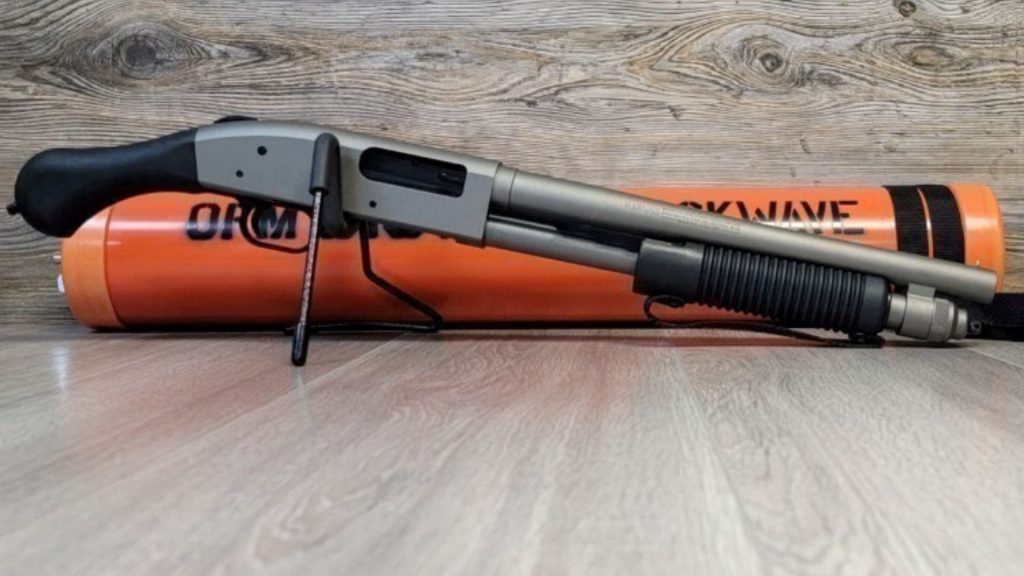
The Mossberg Shockwave is often marketed as a compact defensive shotgun, but its design introduces challenges. The short barrel and bird’s-head grip require careful handling to cycle the action reliably.
Short-stroking is common, especially under stress or when firing lighter loads. The lack of a stock also makes consistent control harder than many expect. While it’s mechanically sound, the Shockwave depends heavily on user technique, which limits its practical dependability for home defense.
Springfield Armory XD Mod.2 Sub-Compact
The XD Mod.2 Sub-Compact is generally reliable, but some models have shown sensitivity to certain magazines and ammunition. When issues arise, they tend to show up during rapid strings of fire.
Grip safety engagement can also be inconsistent depending on hand size and grip angle. If that safety isn’t fully depressed, the gun won’t fire. That extra variable may not matter on the range, but it introduces hesitation in situations where you want the gun to respond every time without conscious effort.
Beretta PX4 Storm
The PX4 Storm uses a rotating barrel system that’s meant to reduce recoil, but it can complicate reliability when fouling builds up. Dirt and carbon can interfere with smooth rotation if maintenance slips.
Some shooters also report inconsistent accuracy and feeding depending on ammo choice. While the PX4 can be dependable when clean and well-matched with ammo, it doesn’t tolerate neglect as well as more conventional designs. For a home defense gun, tolerance for less-than-ideal conditions matters.
Rock Island Armory 1911 GI
The Rock Island GI-style 1911 is affordable and classic-looking, but entry-level 1911s often come with compromises. Feeding hollow points can be inconsistent without tuning, and extractor tension isn’t always ideal from the factory.
The platform itself can be reliable, but only when properly set up and maintained. If a defensive pistol needs tweaking to run common defensive ammo, that’s a drawback. Out of the box, these pistols don’t always deliver the plug-and-play dependability people expect.

Leo’s been tracking game and tuning gear since he could stand upright. He’s sharp, driven, and knows how to keep things running when conditions turn.