China released thousands of pigs into the desert — here’s why
China is experimenting with a striking idea: using pigs as tools to reshape some of its harshest drylands. Instead of treating desert edges as write-offs, local projects are moving thousands of animals into sandy terrain and trying to turn waste, hooves, and feed into the building blocks of new soil.
The effort sits at the intersection of two powerful forces. China is the world’s biggest consumer of pork, and it is also battling advancing deserts. Together, those pressures have produced a set of audacious schemes that range from herds on the dunes to 26-story “pig hotels” that concentrate production in vertical towers.
Pigs on the sand: how a desert experiment works

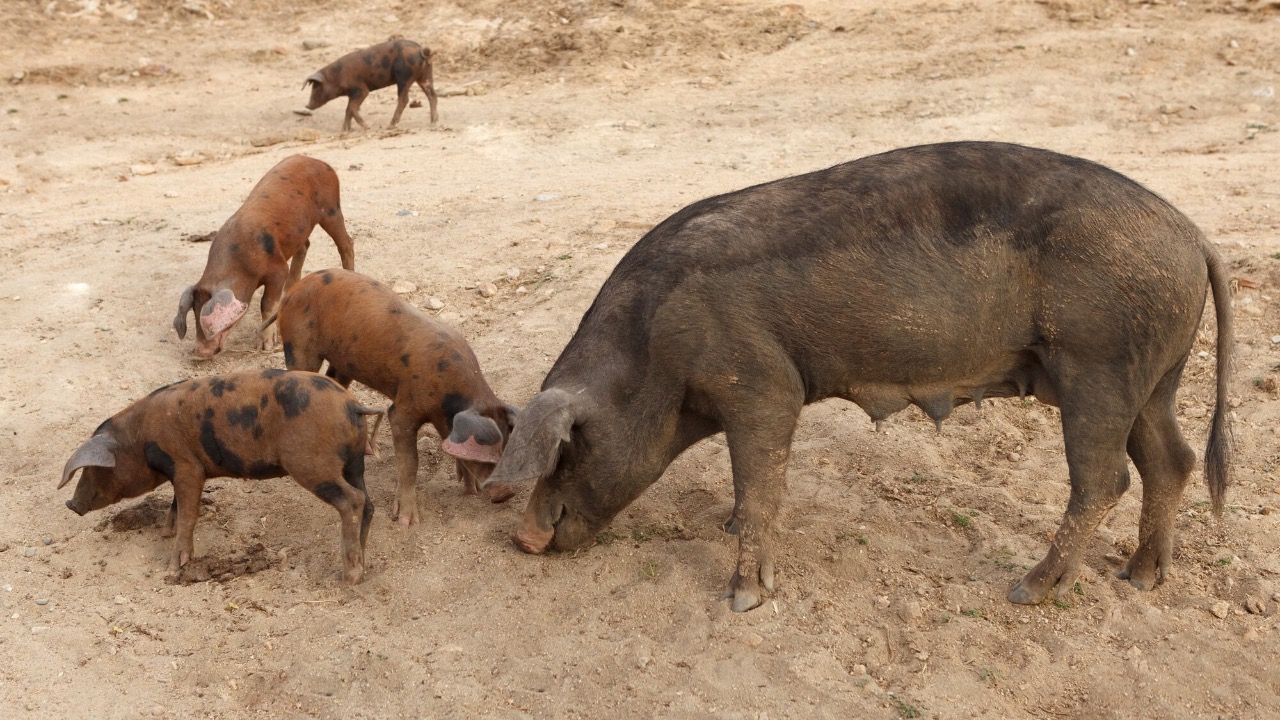
Social media footage from agricultural accounts describes Chinese farmers releasing large herds of pigs on land that was “traditionally considered barren and economically useless,” then using the animals to kickstart vegetation. One widely shared post refers to 100,000 pigs roaming desert plots as part of a reclamation drive.
In these accounts, pigs are rotated through fenced sections of sand where they trample the surface, break up crusted layers, and leave manure behind. Farmers then mix that organic material with crop residues and sometimes imported soil to create a more fertile top layer. After the animals move on, workers seed grasses or shrubs into this enriched ground and install basic windbreaks to protect young plants.
Advocates pitch the approach as a form of “walking fertilizer spreader.” Rather than hauling manure from distant barns, they argue that the animals themselves can transport nutrients across degraded land and help lock them into new vegetation.
Why China is willing to try it
The backdrop is simple arithmetic. Video explainers on Chinese agriculture emphasize that Chinese consumers go through about 55 m tons of pork each year, more than half of global demand. That appetite has driven a relentless push to raise more pigs, more efficiently, and closer to major population centers.
At the same time, large swaths of northern and western China sit on the front lines of desertification. Wind erosion, overgrazing by other livestock, and water scarcity have eaten into farmland and pushed sand closer to cities and highways. Local governments have poured money into tree belts and grass-planting campaigns, but progress is patchy and slow.
Desert pig projects promise two outcomes at once. They keep animals within domestic production systems that are already geared around pork, and they offer a fresh tactic for stabilizing fragile soils. For officials and investors, that dual payoff can be more appealing than standalone ecological schemes that do not generate meat or income.
From dunes to “pig hotels”
The desert experiments are only one piece of a much larger reinvention of pig farming inside China. At the opposite end of the spectrum from sandy paddocks sit towering concrete complexes where pigs never touch soil at all. One widely discussed facility is a 26-story pig hotel that can house 650000 animals at once and, according to coverage of the project, has the capacity to slaughter more than one million pigs per year.
On each floor of this kind of tower, rows of individual pens hold pigs in tightly controlled climates. Feed, water, and waste are managed through automated systems. Proponents say this vertical model reduces disease exposure, improves feed efficiency, and concentrates manure in one place where it can be processed for energy or fertilizer instead of leaking into rivers.
Business reporting on China’s livestock strategy has highlighted how a vertical farm can slot into dense industrial zones instead of sprawling across rural land. One analysis of a similar skyscraper complex noted that it was designed specifically to meet China’s rising pork demand in a smaller physical footprint.
A desert twist on an industrial system
Seen together, the pig hotel and the desert herds capture two faces of the same story. China is not moving away from industrial pork. It is experimenting with where and how to place that industry, from urban towers to marginal sands.
The desert projects described in social posts are framed as local initiatives by Chinese farmers, not central mandates. The same post that touts 100,000 pigs in sandy corrals also stresses that the goal is to “reclaim the desert” and turn “barren and economically useless” ground into something that can support crops or grazing.
In practice, that means drawing on the same breeding, feed, and veterinary networks that supply the country’s mega-farms, then redirecting some of that capacity into frontier zones. The pigs are still part of a high-intensity supply chain. Their new role is to leave behind enough fertility and disturbance to help other plants take root.
Promise, risk, and unanswered questions
Supporters of pig-based desert work see several advantages. Manure adds carbon and nutrients to sand. Hooves rough up the surface so seeds can lodge instead of blowing away. The animals themselves generate revenue, which can make long restoration projects more financially viable for farmers.
Critics, however, point to the environmental risks. Concentrating animals in fragile drylands can create new pollution hotspots if waste is not carefully managed. Overgrazing by pigs could strip out pioneer plants faster than they can regrow. Water demand for drinking and cleaning may strain already stressed aquifers.

Asher was raised in the woods and on the water, and it shows. He’s logged more hours behind a rifle and under a heavy pack than most men twice his age.