
Scientists say the North Pole is shifting — and they don’t fully know why
You’ve probably heard someone say the North Pole isn’t where it used to be. That’s not campfire talk—it’s real, and it’s been happening for decades. Scientists tracking the planet’s magnetic field have watched the pole wander, sometimes slowly, sometimes picking up speed in ways that caught them off guard.
What’s more interesting is this: they don’t have the full picture nailed down. They’ve got strong theories, solid data, and a pretty good handle on the mechanics—but not a clean, final answer. When you look at how the Earth actually works under your feet, that uncertainty starts to make a lot more sense.
The Magnetic North Pole Isn’t Fixed in Place
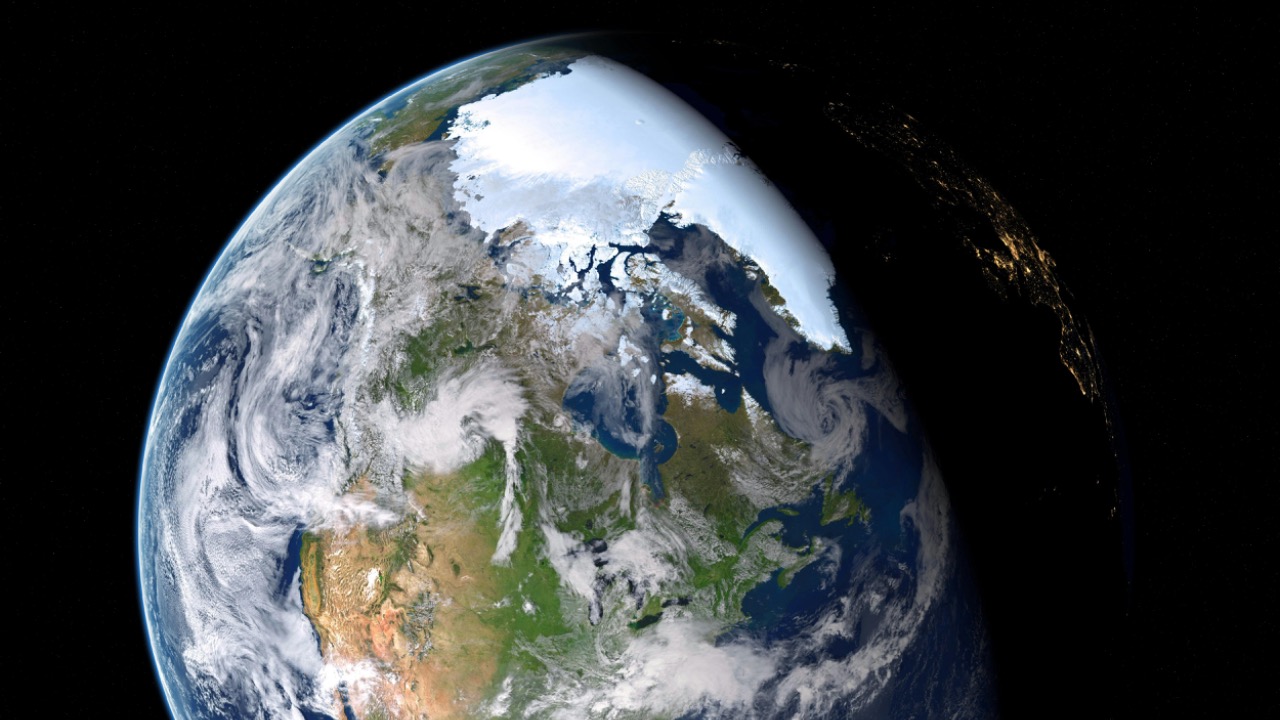
When you think “North Pole,” you probably picture a locked-in point at the top of the globe. But the magnetic North Pole doesn’t behave that way. It drifts, and it always has.
That movement comes from deep inside the Earth. The magnetic field isn’t tied to the crust—it’s generated by moving liquid metal far below the surface. As that molten material shifts, the magnetic field shifts with it. You’re not dealing with something anchored; you’re dealing with something alive and moving. That’s why maps need updating, and why the pole you learned about years ago isn’t sitting in the same spot today.
The Speed of the Shift Has Surprised Scientists
For a long time, the pole drifted at a steady, manageable pace. Then things changed. In the late 20th and early 21st centuries, it started moving faster—covering dozens of miles per year.
That caught researchers off guard. Models built on earlier behavior didn’t fully account for that kind of acceleration. In recent years, the speed has fluctuated again, slowing somewhat after that burst. Those changes make it harder to predict where the pole will go next. You’re looking at a system that doesn’t follow a clean pattern, which is part of what keeps scientists cautious about making long-term calls.
It’s All Driven by the Earth’s Outer Core
The real action is happening about 1,800 miles beneath your boots. Down there, the Earth’s outer core is made of molten iron and nickel, constantly moving and churning.
That motion generates the planet’s magnetic field through a process tied to fluid dynamics and electrical currents. Think of it less like a solid magnet and more like a constantly shifting engine. Small changes in flow patterns can alter the field at the surface. The trouble is, you can’t directly observe that environment. Scientists rely on indirect measurements and models, which leaves room for uncertainty when those flows behave in unexpected ways.
Competing Magnetic Blobs Are Tugging It Around
One of the leading ideas involves large patches of magnetic intensity—sometimes described as “blobs”—deep within the Earth. Right now, two major regions appear to be influencing the pole’s movement.
One sits beneath Canada, the other closer to Siberia. As their relative strength changes, the magnetic North Pole gets pulled in different directions. In recent decades, the Siberian side has gained influence, which helps explain why the pole has been drifting toward Russia. It’s not a straight pull, though. These regions shift and evolve, so the pole’s path ends up looking uneven, with changes in speed and direction over time.
Melting Ice Isn’t the Main Driver
It’s easy to assume melting ice in the Arctic is pushing the pole around. That idea shows up a lot, but it doesn’t hold up as the primary cause.
Ice loss can redistribute mass on the surface, and that can have minor effects on Earth’s rotation and gravity. But the magnetic field comes from much deeper down. Surface changes don’t have the kind of influence needed to drive large shifts in the magnetic pole. Scientists keep an eye on those factors, but they aren’t at the center of this story. The real drivers remain buried deep in the planet, far below anything weather or climate can directly touch.
Navigation Systems Have to Keep Up
This isn’t academic. If you rely on navigation—whether you’re flying, sailing, or even using certain mapping systems—the shifting pole matters.
Runways are numbered based on magnetic direction, and those numbers occasionally need updating. The same goes for navigation charts used in aviation and marine travel. Even your smartphone’s compass leans on models that track the pole’s position. When the movement sped up, scientists had to update the World Magnetic Model ahead of schedule to keep everything accurate. It’s a reminder that something happening deep underground can ripple all the way up to the tools you use every day.
Scientists Still Don’t Have a Complete Answer
They’ve got solid pieces of the puzzle: core dynamics, magnetic field data, satellite measurements. But it’s not a finished picture.
The biggest challenge is that the system is complex and mostly hidden. You can measure the effects, but not directly watch the cause. That leaves scientists working with models that improve over time but still carry uncertainty. When the pole speeds up, slows down, or shifts direction, those models get tested. Some hold up, some need adjusting. That’s why you’ll hear cautious language around this topic—they understand the process, but not every detail driving it.
This Kind of Movement Has Happened Before
If you zoom out far enough, the current shift isn’t unprecedented. Geological records show the magnetic field has changed many times over Earth’s history.
Poles have wandered, flipped, and re-formed in different configurations. Those reversals take thousands of years, and there’s no sign one is happening right now. What you’re seeing instead is part of the natural variability of the system. The difference today is that we’re watching it in real time with modern instruments. That gives you a clearer picture, but it also highlights how much there still is to learn about the ground beneath your feet.

Asher was raised in the woods and on the water, and it shows. He’s logged more hours behind a rifle and under a heavy pack than most men twice his age.