Search of MacArthur Park Lake halted by rangers after reports of possible weapons and remains
Park rangers at MacArthur Park Lake in Los Angeles halted a private sonar search that had been set up to look for possible weapons and human remains on the lake bottom. The shutdown turned what might have been a quiet technical sweep into a public fight over permits, safety, and who gets to investigate what lies under a city lake.
The clash has stirred up long‑running worries about crime in and around the water, from guns tossed off the shoreline to bodies that families fear were never recovered. It has also exposed a deeper tension between residents who want more aggressive searches for evidence and city officials who say they have to control how that kind of work is done.
The plan to scan the lake bottom
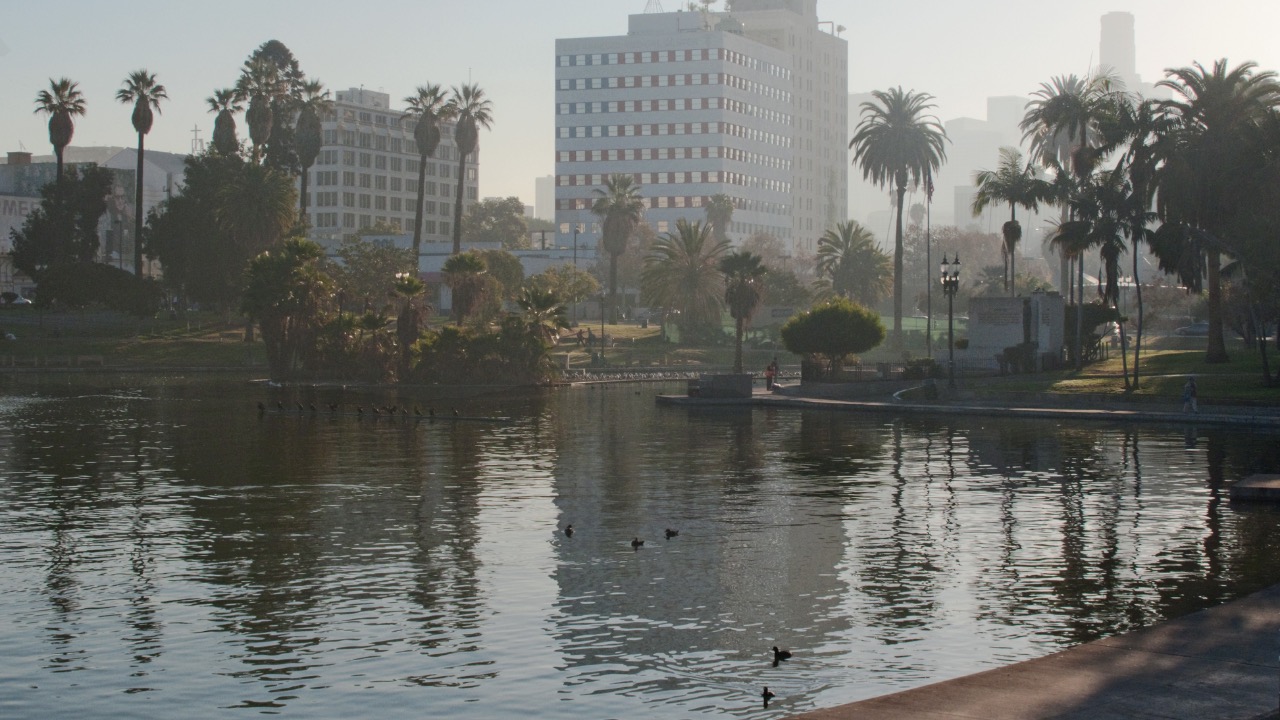
The effort that sparked all this was not a casual weekend hobby. A small team arrived at MacArthur Park Lake with a clear plan to run sonar across the bottom, looking for shapes that might match firearms, other weapons, or even human remains. Their idea was straightforward: use modern imaging gear to sweep a lake that has long been rumored to hide the aftermath of violent crime, then turn anything suspicious over to law enforcement.
From what I can piece together, the group had lined up a boat, a sonar unit, and operators who were familiar with reading underwater returns. They were not there to fish or film a YouTube stunt. They were there because people in the neighborhood have heard stories for years about guns and bodies ending up in that water, and they believed a focused search could finally test those stories. City officials, however, stepped in before the search really got going, as described in one account that noted how On Monday the operation was shut down.
Why park rangers pulled the plug
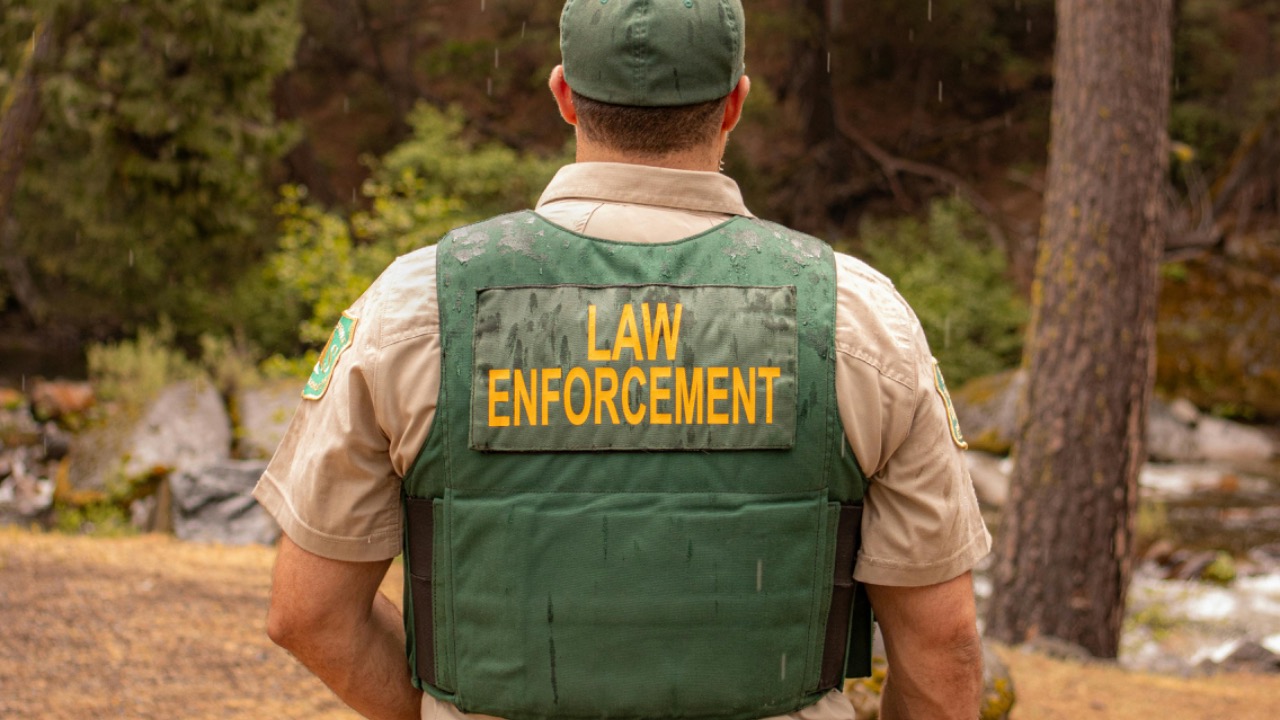
From the city’s side, the decision to stop the search hinged on control and liability. Los Angeles Park Range staff, who oversee MacArthur Park, told the team they did not have the right permits to run sonar equipment on the lake. In their view, letting a private crew operate electronics and boats on public water without formal approval could create safety risks, interfere with other park users, and complicate any future criminal investigations tied to what might be found.
That is why the rangers moved quickly once the team started setting up. Before the sonar was fully deployed, they ordered the crew to stand down and leave the water. The message was blunt: if you want to run a technical search for possible bodies or guns in a city lake, you have to go through the same channels as any other organized activity, from film shoots to large events. One detailed report on the confrontation described how a planned sweep of the Park Lake was stopped before the equipment ever hit the water.
The businessman behind the search
At the center of the dispute is a businessman named Alle, who helped organize and fund the sonar effort. He has framed the project as a public‑spirited attempt to help clean up a troubled lake, not a way to embarrass the city. In his telling, he wanted to use his resources to look for guns and remains that might still be sitting in the mud, then hand anything relevant over to police so they could decide what to do next.
Alle has also been vocal about what happened once park rangers intervened. According to his account, authorities did not just tell the team to pack up. They also wrote a parking ticket for one of the vehicles tied to the search, which he took as a sign that officials were more interested in pushing the group out than in working with them. He has argued that According to his experience, the city is applying a double standard by tolerating other activity around the lake while blocking a search that might uncover evidence.
Permits, citations, and the “double standard” claim
The permit issue is where this story shifts from a one‑day confrontation to a broader argument about how Los Angeles manages its public spaces. City staff say the sonar team needed formal permission to operate a boat and electronics on the lake, especially for a purpose tied to potential criminal evidence. Alle counters that he tried to do things the right way and that the rules are being enforced more aggressively on him than on others who use the park in far riskier ways.
His frustration sharpened when the team received that parking citation. To him, it looked like an effort to send a message: you are not welcome here with your sonar and your cameras. He has described it as a “double standard,” pointing out that the same park sees open drug use and other illegal behavior on a regular basis without the same kind of rapid crackdown. In his view, the city is quicker to ticket a truck tied to a search for guns than to confront people openly using narcotics along the shore, a point he has pressed while also saying he plans to secure the proper permits and come back.
MacArthur Park’s reputation and crime concerns
Anyone who has spent time around MacArthur Park knows it has a rough edge. The lake is ringed by families, vendors, and commuters, but it is also a place where drug dealing and use are part of the daily backdrop. That reality is not rumor. One account of the halted search flatly noted that Open drug use plagues MacArthur Park, and anyone walking the paths can see why that word was chosen.
In that context, the idea that guns or even bodies might be sitting on the lake bottom does not sound far‑fetched to people who live nearby. When violence happens in a dense urban neighborhood, water is often the first place someone thinks to dump a weapon. Over time, those weapons can become part of the landscape, buried in silt and forgotten unless someone goes looking with the right tools. That is the gap the sonar team was trying to fill, and it is why the shutdown has hit a nerve among residents who feel the lake has been neglected for years.
The tech they brought to the water
What the group wanted to use on the lake is the same kind of gear that has become standard for search‑and‑recovery teams across the country. Side‑scan sonar can paint a picture of the bottom, turning rocks, logs, and man‑made objects into bright shapes on a screen. With enough passes and a trained eye, operators can pick out the outlines of a handgun, a long gun, or even a body, then mark those spots for divers or law enforcement to check.
In this case, the team had more than a basic fish finder. They had a boat and a drone that has underwater sonar capability, a setup that can cover water quickly and reach tight corners near docks and reeds. One account of the aborted mission described how the group planned to use a drone to scan the lake, a tool that would have let them work close to shore without putting people in the water. That kind of setup is exactly what volunteer teams have used in other states to find long‑missing vehicles and remains in rivers and reservoirs.
How the standoff played out on the ground
On the day the search was halted, the scene around the lake mixed the ordinary and the tense. Regular park users walked the paths and sat on benches while the sonar crew unloaded gear and prepared to launch. Then park rangers stepped in, and the focus shifted from the water to the shoreline as the two sides argued over what the team was allowed to do.
Witnesses described rangers telling the group they could not operate without a permit, then ordering them to stop setting up. The crew, led by Alle, pushed back, arguing that they were there to help and that the city should welcome an extra set of eyes on the lake bottom. The exchange ended with the team packing up their equipment, a parking citation being written, and the search being postponed indefinitely. A local radio report on the confrontation noted that the story was picked up with a Photo credit to Getty Images, a reminder that this was not a quiet dispute but a public moment in a very visible park.
Public reaction and social media scrutiny
Once word got out that a search for possible bodies and guns had been stopped, reaction spread quickly, especially online. Some people backed the rangers, arguing that letting private crews run quasi‑investigations on public water without oversight is a recipe for chaos. Others sided with Alle, saying the city has not done enough to address crime around the lake and should be grateful when someone brings in equipment and expertise at no cost to taxpayers.
Coverage of the incident also intersected with broader conversations about policing, civil rights, and how authorities handle tense situations. One social media feed that highlighted the MacArthur Park dispute also carried posts about Minnesota protests and the Alex Pretti shooting, raising questions about legal rights when interacting with ICE and other agencies. In that stream, a reporter noted they were walking through LA’s parks and talking about whether the sonar team needed a permit to operate the equipment, tying the lake standoff into a larger debate about how far government power should reach in public spaces.
What comes next for the lake and the search
For now, the bottom of MacArthur Park Lake remains largely unmapped, at least by the kind of high‑resolution sonar the team wanted to use. Alle has said he intends to apply for the necessary permits and return, which would put the decision back in the city’s hands. If officials approve a future search, they will have to coordinate closely with police and possibly other agencies to make sure any discoveries are handled properly as potential evidence.
If the city denies those permits, the pressure will only grow. Residents who worry about guns and bodies in the lake will see that as a sign that officials would rather avoid uncomfortable discoveries than confront them. On the other hand, if the search goes forward and turns up weapons or remains, it will raise hard questions about why those items sat undisturbed for so long. Either way, the brief standoff between a sonar crew and park rangers has forced Los Angeles to reckon with what it is willing to do, and to allow others to do, in the name of finally knowing what lies beneath that green water.

Asher was raised in the woods and on the water, and it shows. He’s logged more hours behind a rifle and under a heavy pack than most men twice his age.