Storm systems that caught entire regions off guard
Storms have a way of sneaking up on people, even in places that think they know the weather. Sometimes, a system forms quietly, moves faster than expected, or hits an area thought to be safe. These events don’t just test preparation—they remind you that weather can surprise even the most experienced outdoorsman. Across the country, there have been moments when entire regions were blindsided, leaving communities scrambling and emergency services stretched thin. Looking back at some of these storms, it’s clear how a combination of speed, location, and sheer atmospheric power can overwhelm everyone in its path.
The Midwest Derecho of 2020
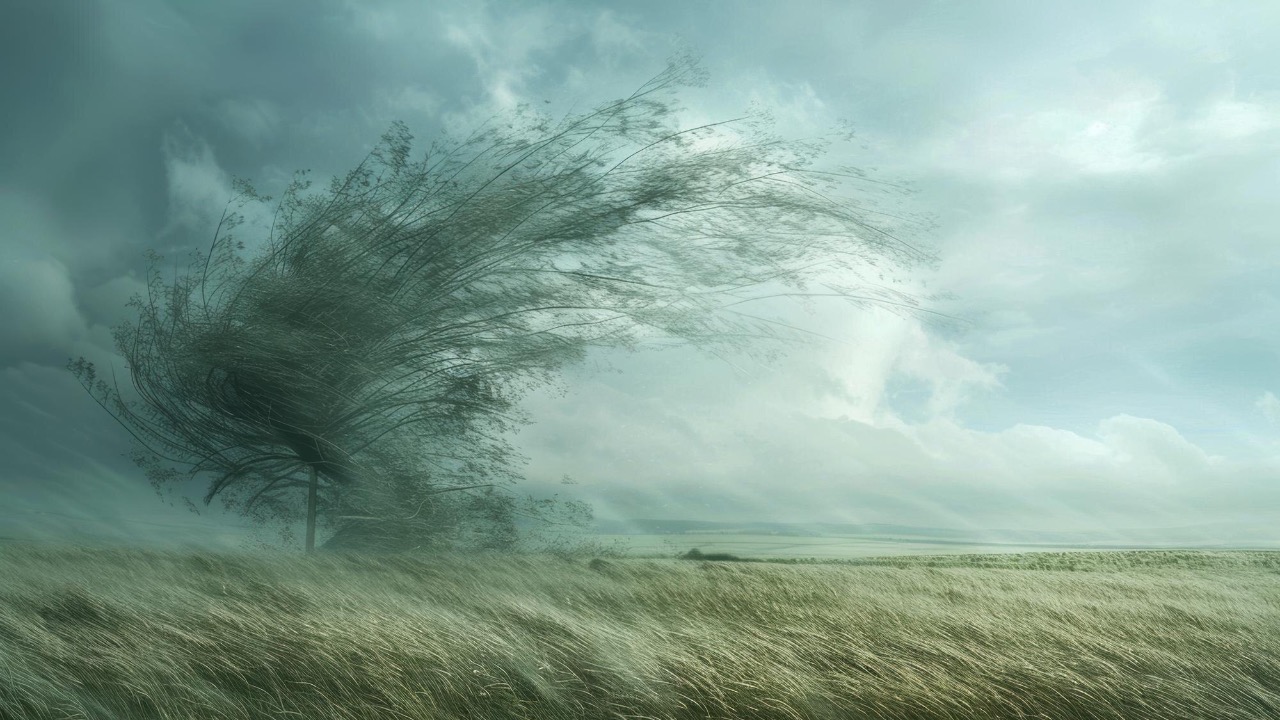
In August 2020, a massive derecho tore through Iowa, Illinois, and Indiana. Wind speeds surpassed 100 mph, flattening crops and snapping power lines across hundreds of miles. Residents reported trees uprooted onto homes, and widespread outages left communities without electricity for days.
The speed of the storm caught many off guard. Forecasts predicted thunderstorms, but the sustained intensity of the winds exceeded expectations. Emergency crews had to respond in challenging conditions, and cleanup extended for weeks. This event showed how a fast-moving system can overwhelm regions that are otherwise familiar with severe weather, turning a normal summer day into a destructive ordeal.
The Blizzard That Hit Denver in 2016
Denver is no stranger to snow, but the March 2016 blizzard delivered more than anticipated. Over two feet of snow fell within a single day, stranding drivers and closing roads across the metro area. The storm’s intensity and timing left little margin for preparation.
Authorities struggled to keep major highways clear as plows worked around the clock. The combination of heavy snowfall and strong winds created dangerous whiteout conditions. Residents were reminded how quickly winter storms can escalate, even in cities accustomed to snow. Preparedness plans were tested, and many neighborhoods experienced extended power outages, demonstrating the storm’s broad impact on daily life.
Hurricane Michael in 2018
Hurricane Michael struck the Florida Panhandle with Category 5 strength, delivering winds over 155 mph. Many areas thought they were in lower-risk zones and weren’t fully braced for a storm of this magnitude. The coastal towns of Mexico Beach and Port St. Joe were devastated.
Michael’s rapid intensification in the Gulf of Mexico left forecasters little time to warn residents. Flooding and wind damage were catastrophic, affecting homes, infrastructure, and livelihoods. Emergency services worked tirelessly, but the sheer scale of destruction highlighted how a powerful storm system can catch entire regions unprepared, leaving communities to recover slowly in the aftermath.
The Tornado Outbreak of 2011
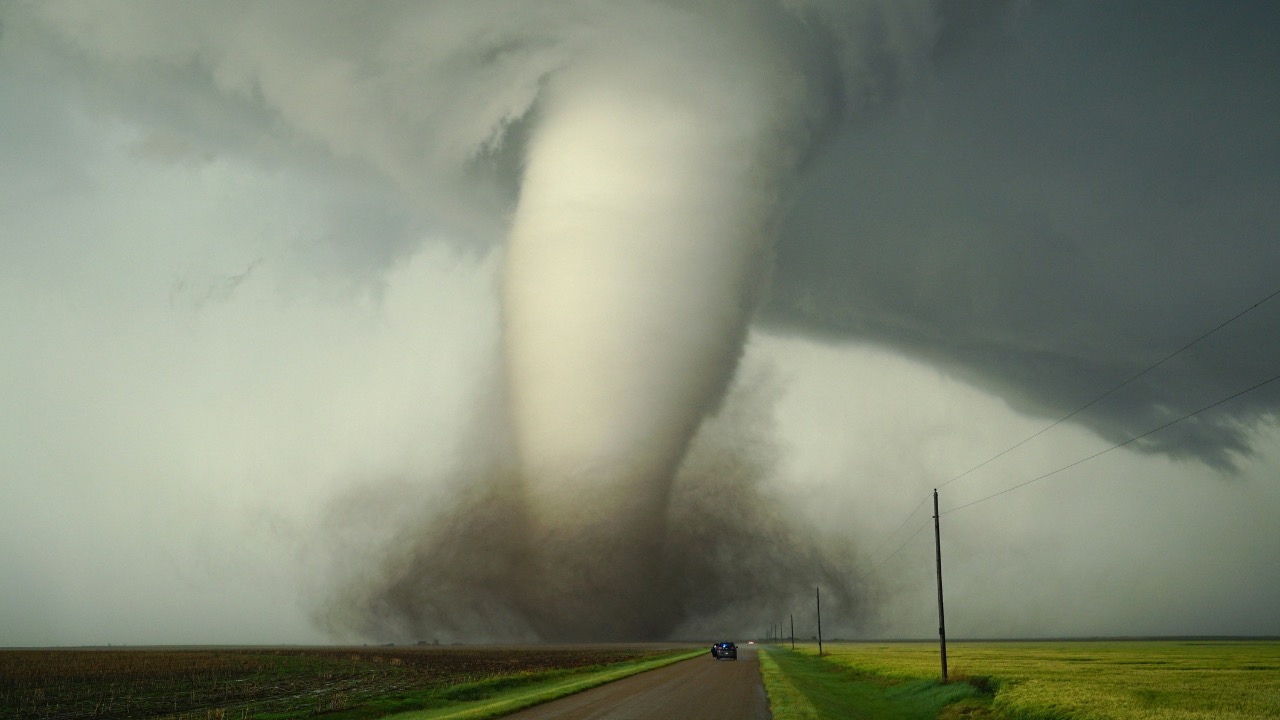
April 25–28, 2011, saw one of the deadliest tornado outbreaks in U.S. history. The Southeast, including Alabama, Mississippi, and Tennessee, experienced hundreds of tornadoes in just a few days. Some storms developed faster than warning systems could alert residents.
Many communities were caught mid-morning, during routine work or school hours. Mobile homes and poorly reinforced structures were particularly vulnerable, resulting in tragic casualties. The outbreak emphasized the challenge of predicting rapidly forming supercells and showed how tornado systems can overwhelm even prepared regions, leaving a lasting mark on local infrastructure and public consciousness.
The Nor’easter of 1993
Known as the “Storm of the Century,” the March 1993 Nor’easter stretched from Florida to Maine. It dumped snow, generated hurricane-force winds, and caused coastal flooding over multiple states. The storm’s widespread reach surprised even experienced meteorologists.
With snow drifts up to 20 feet in some areas, travel halted, and power lines failed across the East Coast. Emergency shelters opened for residents stranded by the storm, and rivers overflowed due to heavy rainfall and snowmelt. The event demonstrated how a large-scale system can impact multiple regions simultaneously, testing preparedness far beyond typical winter storms.
The Pacific Northwest Windstorm of 2006
In December 2006, the Pacific Northwest faced a ferocious windstorm that uprooted thousands of trees across Oregon and Washington. Winds exceeded 90 mph in many areas, leaving roads blocked and power lines downed for days.
Unlike hurricanes, this system developed quietly offshore, giving residents limited warning. Trees crushed homes and vehicles, and flooding compounded damage in low-lying areas. The storm highlighted the unique threats posed by wind-heavy systems in forested regions, and how fast-moving atmospheric events can disrupt entire communities without the dramatic buildup of more visible storms.
The Flash Floods of 2015 in Texas
Central Texas experienced sudden flash floods in May 2015, triggered by slow-moving storms over hill country. Heavy rainfall led to rivers overflowing, roads turning into rivers, and homes being submerged within hours.
Many residents were unprepared for the sheer speed of rising waters. Emergency responders performed hundreds of rescues, and local infrastructure sustained serious damage. This event highlighted that it’s not only wind or snow that can overwhelm a region—a concentrated downpour over vulnerable terrain can have just as sudden and devastating an impact.
The Southeast Ice Storm of 2014
In February 2014, an ice storm hit parts of Georgia, South Carolina, and North Carolina unexpectedly. Temperatures fluctuated in ways forecasters hadn’t predicted, leaving roads coated in dangerous ice and snapping tree limbs under the weight of frozen precipitation.
Schools, businesses, and highways shut down as ice accumulation reached dangerous levels. Power outages left thousands without electricity in subfreezing conditions. The storm illustrated that even regions not typically associated with severe winter weather can experience sudden, system-wide disruption, proving that planning and local knowledge can only go so far against nature’s unpredictability.
The Gulf Coast Tornado Swarm of 2020
In April 2020, Alabama and Louisiana saw a rapid sequence of tornadoes following a sudden storm system. Many areas had little warning due to the storms’ fast formation and movement. Mobile homes and small towns bore the brunt of the damage.
Emergency crews responded to multiple sites simultaneously, highlighting how concentrated systems can overload local resources. Residents were forced to seek shelter in basements, storm drains, and public shelters, sometimes while the system was still active. Events like this underscore how fast-developing storms can catch even seasoned communities off guard, with impacts felt across multiple counties in hours.

Asher was raised in the woods and on the water, and it shows. He’s logged more hours behind a rifle and under a heavy pack than most men twice his age.