Scientists encounter unexpected problems drilling into Antarctica’s Thwaites Glacier
Scientists trying to pierce the ice of Antarctica’s Thwaites Glacier set out to drill the deepest access hole ever attempted on this unstable slab of ice, only to see the mission stall at the final step. The setback exposed how little control researchers really have once heavy machinery meets brittle ice, hidden seawater and shifting crevasses. It also underscored why they are determined to keep going, even when the glacier that some call the “doomsday” ice sheet refuses to cooperate.
Thwaites holds enough ice to raise global sea levels by more than half a meter if it were to collapse, and its retreat is already accelerating. The failed drilling push is not just a technical footnote, it is a reminder that the world’s most consequential climate front line is also one of its least understood, and that every broken drill bit or stuck hose delays the data needed to plan for rising seas.
Why Thwaites Glacier matters so much
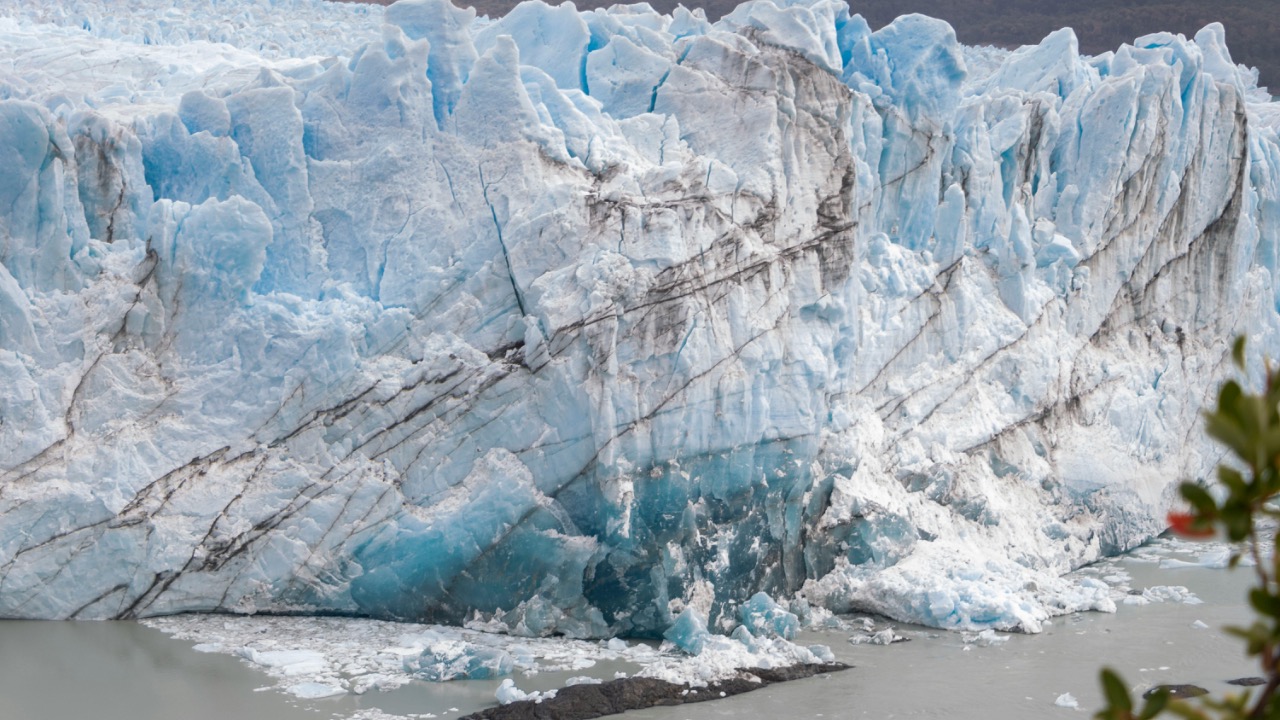
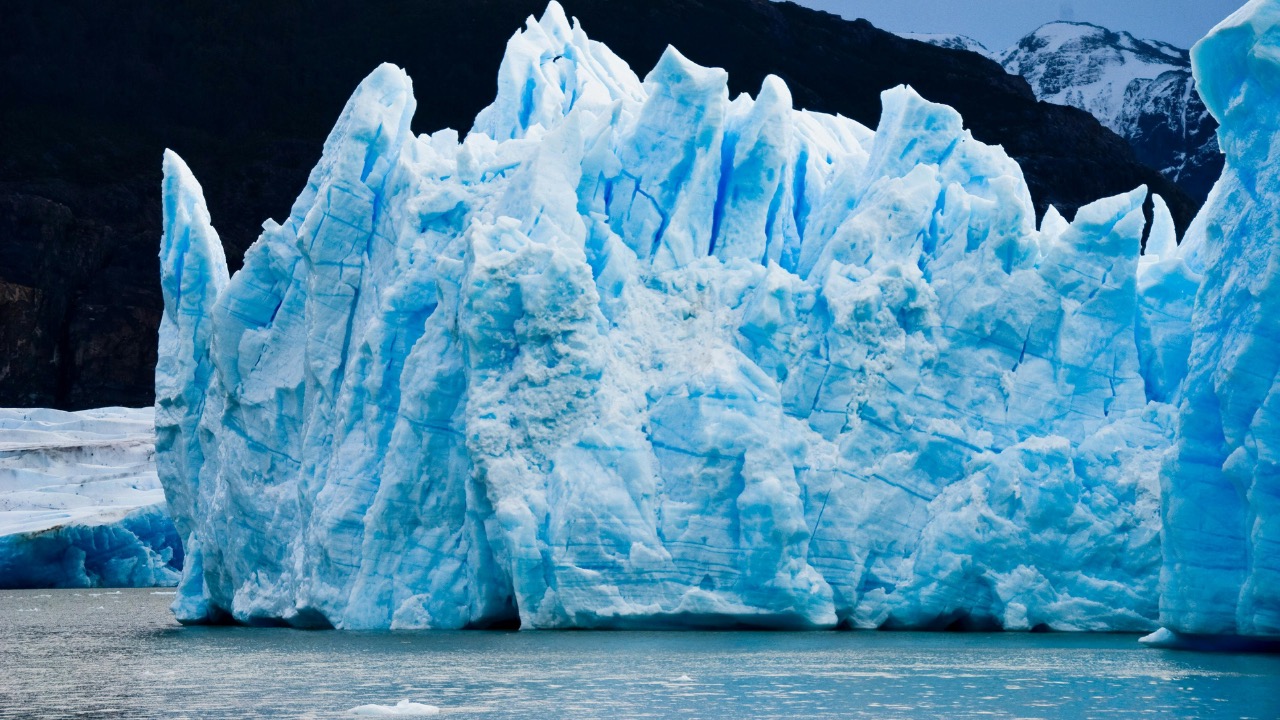
Thwaites Glacier has become a symbol of climate risk because of its size, its instability and its position as a gateway to the wider West Antarctic Ice Sheet. The glacier drains a vast basin of inland ice, and once its front edge retreats past a shallow underwater ridge, models suggest the rest of the ice could flow more freely into the ocean. That is why researchers often describe Thwaites as a linchpin for future sea level rise, with its potential collapse threatening coastal cities from New York to Mumbai.
Satellite observations and airborne survey data show that the glacier’s grounding line, the point where ice lifts off the bedrock and begins to float, has been retreating and that warm ocean water is reaching farther under the ice. That undercutting weakens the glacier from below, turning what looks like a solid white wall at the surface into a fractured, thinning shelf at the bottom. For scientists, the only way to understand how fast this process will unfold is to get instruments directly into the ice and the seawater beneath it, which is why the latest drilling mission carried such high stakes.
A bold plan to drill the deepest access hole
The recent expedition set out with an ambitious goal, to drill the deepest vertical access hole ever attempted in this part of Antarctica so that instruments could be lowered into the cavity where the glacier meets the ocean. The team wanted to capture temperature, salinity and current measurements from the water, as well as data on how quickly the ice was melting at the interface. Achieving that required melting a narrow shaft through hundreds of meters of ice using a high powered hot water drill, then keeping that shaft open long enough to deploy delicate equipment.
Researchers from several countries, including a British Antarctic Survey contingent, had already proven that such hot water drilling could work on remote and inaccessible ice. Building on that experience, the Thwaites team scaled up the system, adding more pumps, heaters and hoses to reach deeper and to operate in harsher conditions. The plan looked robust on paper, but as often happens in polar science, the glacier had its own ideas about how the season would unfold.
Into the field: the UK–Korea team on the ice
On the ice itself, the mission brought together a group that videos describe as a “Meet the UK, Korea team,” a partnership that combined logistical muscle with specialized glaciology and oceanography skills. The camp sat on a part of Thwaites Glacier that is both unstable and scientifically crucial, a place where crevasses, snowdrifts and shifting ice made even basic tasks like moving fuel or positioning a drill rig a daily challenge. Every piece of equipment had to be flown in, assembled in subzero temperatures and then kept running in an environment that punishes metal, plastic and human bodies alike.
Footage from the field camp shows researchers working beside the drill tower, tending hoses and monitoring gauges as steam rises into the polar sky. The British Antarctic Survey presence was central, but the Korea partners brought their own expertise and instruments, turning the site into a compact international laboratory on the ice. Their shared goal was simple to state and hard to achieve, to extract high quality data from this critical location before the short Antarctic summer closed in and the weather forced them to leave.
How hot water drilling is supposed to work
Hot water drilling is, in principle, a straightforward technique. Large heaters warm thousands of liters of water, which is then pumped at high pressure through insulated hoses to a nozzle that melts its way downward through the ice. As the nozzle descends, the water carves a narrow shaft, and the returning meltwater is captured, filtered and reheated to continue the process. If everything goes well, the team ends up with a clean, vertical hole wide enough to lower instruments but small enough that it does not waste time and fuel.
Previous missions on other glaciers had shown that this method could create access holes hundreds of meters deep, and the Thwaites team adapted those designs for a more remote and unstable setting. The drilling system was engineered to cope with variable ice conditions, including layers of refrozen melt and embedded debris that can redirect or slow the nozzle. In theory, careful control of water temperature, pressure and flow rate should keep the hole straight and open long enough to deploy sensors, but the reality under Thwaites turned out to be far more complicated.
What went wrong at the final step
According to detailed accounts, the team came agonizingly close to achieving their record depth before things began to unravel. As the drill neared its target, a combination of factors, including a high pressure system in the ice and the complex structure of the glacier, caused the equipment to jam. The hot water hose and nozzle became stuck in the borehole, and attempts to free them only made the situation worse, eventually forcing the scientists to abandon the deepest part of the plan.
Reporting on the incident notes that the scientists failed to complete the deepest hole into Antarctica at the very last stage, despite months of preparation. The description of a “high pressure” complication suggests that water and ice dynamics inside the borehole may have shifted suddenly, pinching the hose or freezing it in place. Once that happened, the risk of losing more equipment or damaging the remaining systems outweighed the potential gain of pushing ahead, so the team had to accept that the deepest measurements would have to wait for another season.
Inside the ice: unexpected physics and fragile gear
The failure was not simply a matter of bad luck, it highlighted how unpredictable the physics of ice and water can be inside a glacier like Thwaites. As the drill melts downward, the surrounding ice can deform, refreeze or channel meltwater into side cavities, all of which change the pressure on the hose and the shape of the hole. Even small shifts can cause the borehole to narrow or kink, trapping equipment that was designed for a straight, uniform shaft. In a place where temperatures hover well below freezing and the ice is riddled with fractures, those small shifts are almost guaranteed.
Accounts of the mission describe how the equipment got stuck again even after earlier efforts to adjust the drilling strategy, a pattern that suggests the glacier’s internal structure was more complex than expected. One analysis quotes expedition chief scientist Won Sang Lee as saying “This is not the end,” emphasizing that the team learned valuable lessons about how the ice behaves even as the gear failed. Those lessons include a better understanding of how pressure builds in confined meltwater channels and how quickly refreezing can close a hole, both of which will shape future drilling designs.
Why scientists still call the mission a success
From a distance, it might be tempting to label the expedition a failure because it did not deliver the deepest measurements it set out to collect. The researchers on the ice, however, have been clear that the mission yielded crucial data and experience. They managed to drill significant access holes, deploy instruments at intermediate depths and gather information about the glacier’s internal temperature and structure. That information feeds directly into models of how Thwaites is changing, even if the very deepest cavity remains out of reach for now.
In interviews, chief scientist Won Sang Lee has stressed that the data they did obtain revealed that the chosen site has strong potential for future work, and that the problems with the stuck equipment are guiding refinements to both hardware and strategy. The statement that “This is not the end” captures a broader truth about polar research, that progress often comes in increments, with each season building on the last. In that sense, the mission succeeded by mapping out the limits of current technology and pointing the way toward more resilient systems that can survive the glacier’s shifting, high pressure environment.
Lessons for future drilling campaigns
The problems at Thwaites are already reshaping how scientists think about drilling into unstable ice. One clear lesson is the need for more flexible systems that can adapt in real time to changing borehole conditions, perhaps by using sensors along the hose to detect pressure spikes before they become catastrophic. Another is the importance of redundancy, carrying spare nozzles, hoses and heaters so that a single jam does not end an entire season’s work. Engineers are also looking at ways to reduce the time between drilling and instrument deployment, to minimize the window in which refreezing can trap equipment.
Organizations like the British Antarctic Survey are using their earlier experience on other remote glaciers to refine logistics, from fuel storage to camp layout, so that teams can respond faster when things go wrong. The collaboration highlighted in the “Meet the UK, Korea team” video is another template for the future, pairing national programs so that no single country has to shoulder the full cost and risk of such complex operations. As the climate warms and the urgency of understanding Thwaites grows, these lessons will shape a new generation of drilling campaigns that are tougher, smarter and better prepared for the glacier’s surprises.
The bigger climate stakes behind a stuck drill
Beyond the technical drama, the stalled drill at Thwaites is a stark reminder of how hard it is to get reliable data from the places that matter most for future sea levels. Coastal planners, insurers and governments need credible projections of how fast ice will be lost from Antarctica, yet the physics that control that loss are playing out in dark, pressurized cavities hundreds of meters below the surface. Without direct measurements from those environments, models must rely on assumptions that can either understate or overstate the risk, leaving societies exposed to unpleasant surprises.
That is why scientists say they will keep trying to understand Thwaites Glacier, even after setbacks like the failed deepest hole. Reports on why the mission failed emphasize that the glacier’s behavior is too important to ignore, and that each attempt, successful or not, sharpens the tools available to researchers. In a world where rising seas will shape everything from real estate markets to national security, the image of a stuck hose in the heart of Antarctica is more than a fieldwork mishap, it is a symbol of the race between human ingenuity and a rapidly changing planet.

Leo’s been tracking game and tuning gear since he could stand upright. He’s sharp, driven, and knows how to keep things running when conditions turn.