U.S. troop movements in the Middle East raise fears of escalation
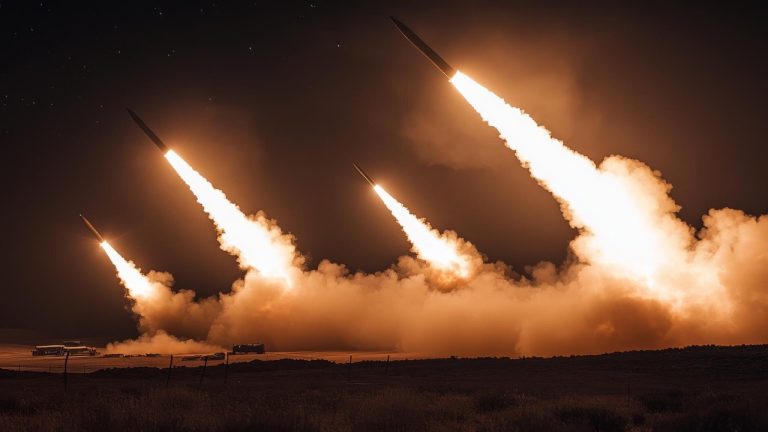
Washington is rushing more troops, ships and aircraft into the Middle East as the war with Iran grinds into a more dangerous phase, and each new movement is stoking fears that a contained campaign could spill into a regionwide conflict. The buildup follows joint strikes in Iran and a rising toll on both sides, even as diplomats struggle to keep channels open. For regional governments, markets and ordinary families, the question is no longer whether the United States is escalating, but how far it is prepared to go.
From airstrikes to a full-scale buildup
The current surge traces back to joint military strikes in Iran by the United States and Israel that began at the end of February, an operation that marked the formal start of the 2026 Iran war and set the stage for a broader United States military. Those initial attacks targeted Iranian facilities and command nodes but also triggered a predictable response from Tehran and its allies, including missile fire and threats against U.S. forces already in the region. Since then, planners have steadily added combat power, arguing that more assets are needed to protect shipping lanes, deter further Iranian strikes and reassure partners.
By late winter, the Pentagon had assembled what officials describe as the largest force of American warships and aircraft in the Middle East since the invasion of Iraq in 2003, including carriers, destroyers and long-range bombers positioned to hit targets deep inside Iran. The expanded naval presence is meant to secure vital chokepoints and energy infrastructure, but every additional platform also becomes a potential target for Iranian missiles or drones.
New deployments measured in the thousands
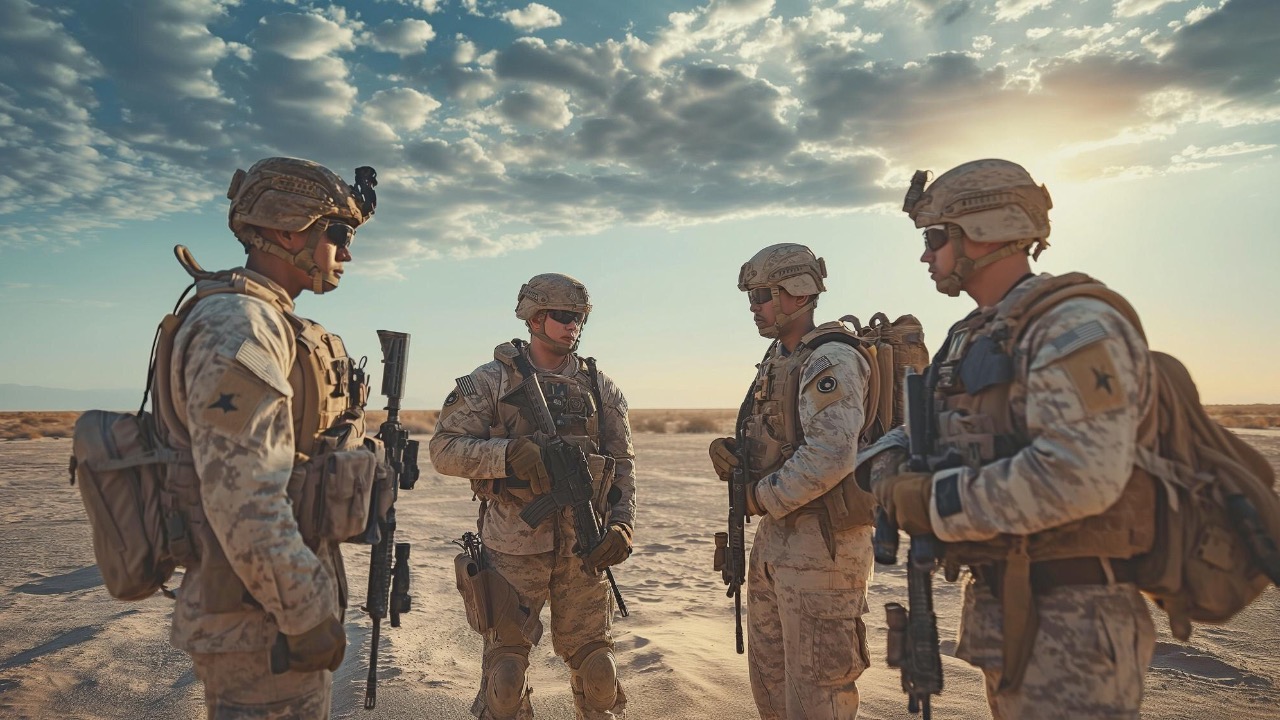
Over the past week, the buildup has shifted from air and sea power to large ground formations. One report cites plans for 3,000 and 4,000 additional soldiers to head to the region, a fresh wave that would reinforce existing Army and Marine units already on heightened alert. Another account notes that the U.S. is deploying an extra 4,500 sailors and Marines to the Middle East, including a Marine expeditionary unit designed for rapid amphibious operations against Iran, a move that signals planning for more than airstrikes alone.
Officials have also quietly prepared smaller, specialized contingents. Approximately 1,000 U.S. soldiers are getting ready to deploy to the Middle East to be available for Iran operations, according to reporting that credits Haley Britzky and. These troops are expected to bolster air defense, logistics and quick reaction forces that could be critical if Iran or its proxies open new fronts.
Fort Bragg units and the Trump factor
The latest wave of deployments is centered on units based at Fort Bragg in, a hub for airborne and special operations forces. Officials say these soldiers have been placed on short-notice orders, with aircraft and equipment already positioned to move if the White House gives the final signoff. The U.S. military has referred detailed questions to civilian leaders, and the White House has framed the moves as precautionary steps rather than preparations for an immediate invasion.
Behind the scenes, however, multiple reports indicate that Trump is weighing options that go beyond deterrence. In one account, officials describe a menu of Options to secure, both vital to global oil flows, while another video analysis argues that recent military movements suggest Trump is considering an Iran ground operation. A separate summary of the planned troop surge characterizes the latest Deployment as the yet that Washington is preparing for a long confrontation rather than a short, sharp campaign.
Marines, warships and Operation Epic Fury
At sea, the United States has already deployed two aircraft carriers, including the USS Abraham Lincoln, along with their escort ships and air wings. Elements from the 3rd Marine Expeditionary Unit have embarked on an assault ship, adding Marines trained for amphibious raids and noncombatant evacuations to the mix. Together, these moves are designed to give commanders flexible options from the Red Sea to the Gulf.
Additional amphibious ships have departed their home base in San Diego for the Middle East as part of Operation Epic Fury, a deployment that, according to one report citing Reuters, includes missions to secure key territory and airfields. Officials say these forces could be used to reinforce existing bases, protect critical infrastructure or insert troops into contested areas if the conflict widens.
Rising casualties and Iranian threats
The human cost is already mounting. At least 13 U.S. military members have been killed since the U.S Israeli attacks started in Feb, while more than 1,300 people in have reportedly died, many of them in strikes and subsequent clashes. Those figures are fueling anger in both countries and hardening positions among hawks who argue that only decisive force will end the fighting.
Iranian rhetoric has escalated in parallel. One widely viewed video claims that Iran has promised a deadly strike on 3000 plus U.S. Airborne troops as the Pentagon prepares to deploy those forces to the Middle East, a threat that underscores how quickly miscalculation could turn a limited ground presence into a large-scale war. Another news clip describes Iranian officials declaring that the enemy has been defeated, even as more U.S. troops head to the front.

Asher was raised in the woods and on the water, and it shows. He’s logged more hours behind a rifle and under a heavy pack than most men twice his age.