The moment a routine hunt turned into a dangerous encounter
The line between a quiet day in the field and a fight for survival is thinner than most hunters care to admit. One moment the woods feel familiar and predictable; the next, a wounded animal or hidden predator turns routine into chaos. The moment a routine hunt turns into a dangerous encounter is not a single story, but a pattern that repeats across mountains, swamps, and farm country.
From bowhunters surprised by charging bears to teenagers fending off coyotes, real accounts show how quickly control can vanish and how much depends on preparation, judgment, and luck. These events have become a staple of modern hunting lore, traded in campfire talk, streaming video, and curated story collections that treat survival as both cautionary lesson and gripping narrative.
When familiar woods stop feeling safe
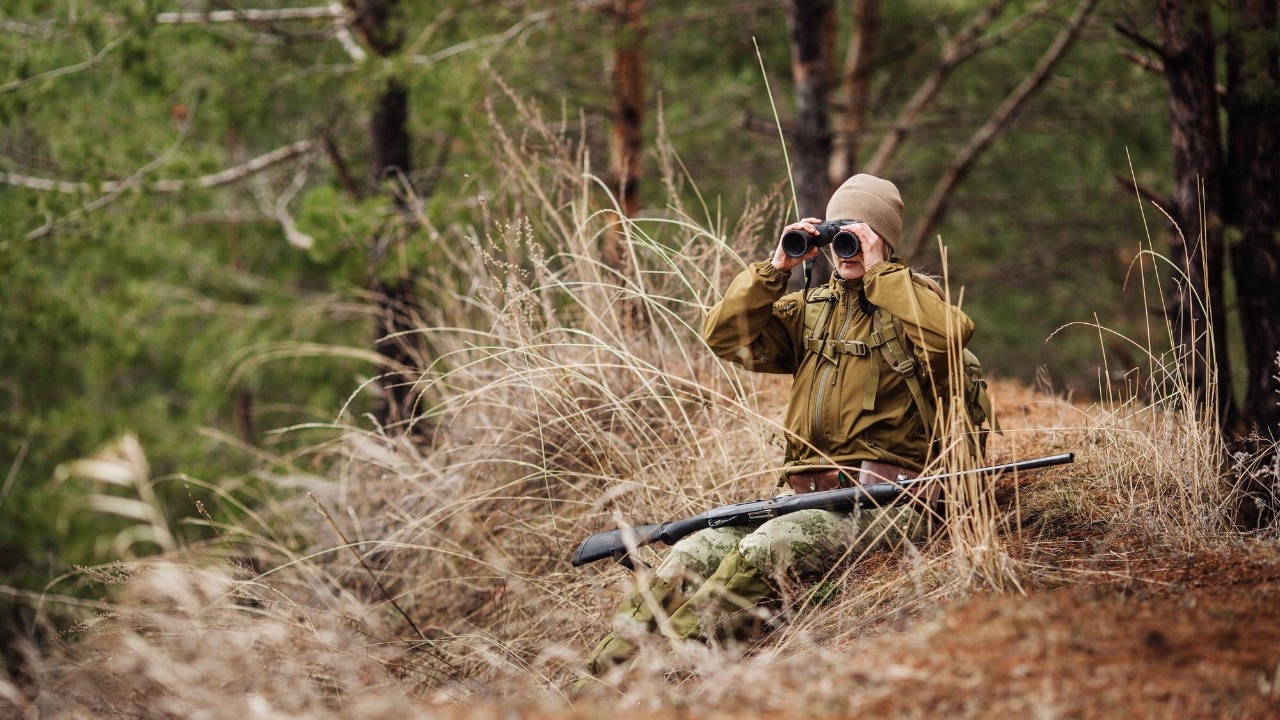
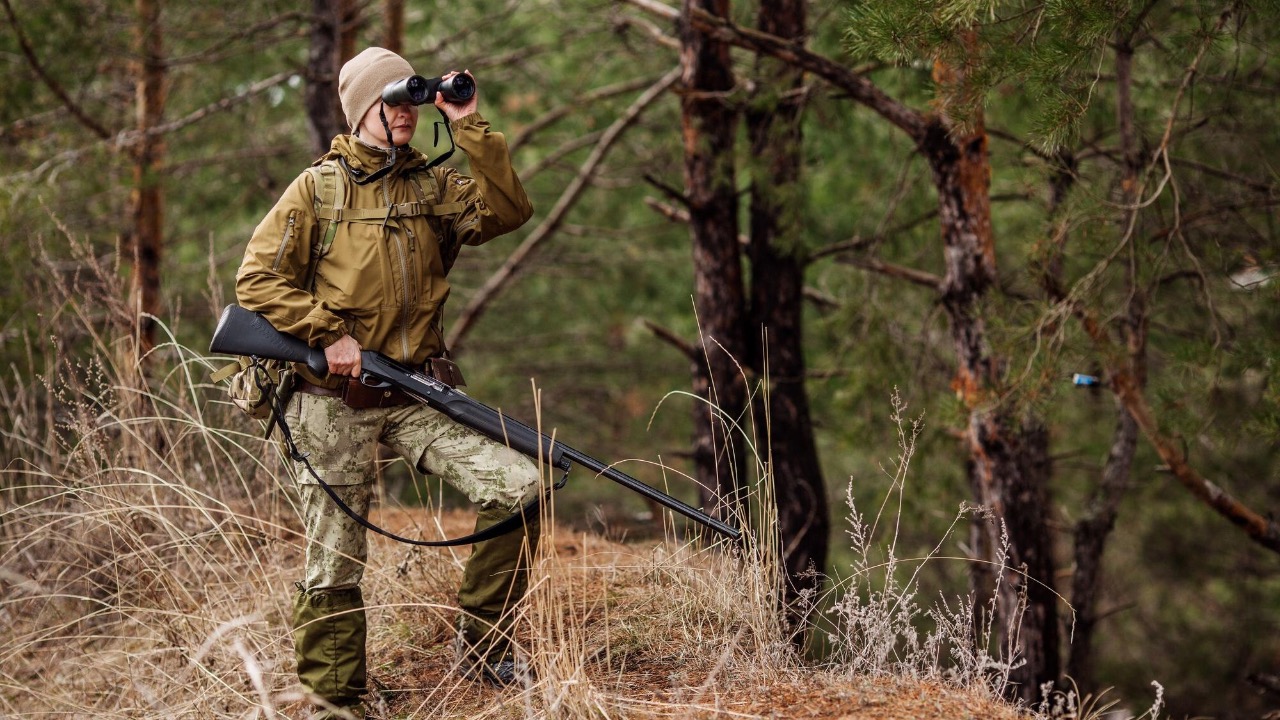
Every seasoned hunter knows the comforting rhythm of a normal outing. Boots follow the same ridge, wind checks become muscle memory, and the mind drifts toward meat in the freezer rather than mortal risk. Yet the very routine that builds confidence can also dull awareness, which is why so many close calls begin with the same thought: nothing unusual about this day.
That pattern is clear in collections of field narratives that celebrate the drama of close calls and narrow escapes. Curated sets of tales marketed as incredible hunting stories lean heavily on that pivot point, when a mundane stalk becomes a brush with death. Search results for these anthologies, including listings for most incredible hunting, show how strongly audiences gravitate toward that single turning moment.
Modern audio productions package this fascination into bingeable listening. Titles such as The Wildest Hunt promise listeners a sequence of hunts that spiral out of control, while search hubs for the wildest hunt concept highlight how the industry actively markets that tipping point between control and catastrophe.
A bowhunt that turned into a bear charge
Few examples show the speed of that shift more clearly than a fall elk outing involving Bob Legassa and his hunting partner Greg Gibson. The two set out with bows for a routine trip, moving into the hills with the expectation of a classic autumn stalk. For a time, the day matched that script: quiet timber, sign on the ground, and the slow, patient pace of archery hunting.
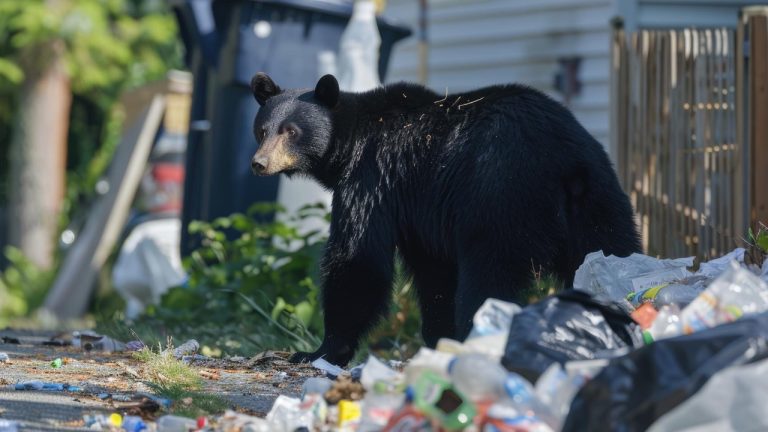
The calm ended when a bear appeared at close range. In a detailed account of how hunter survived a, the encounter escalated from sighting to full charge in seconds. Legassa and Greg Gibson had little margin for error. Their gear was set up for elk, not for a sudden defensive fight with a large predator at bow range. The story describes how the animal closed distance so fast that textbook advice about drawing lines in the dirt or shouting commands became irrelevant. Survival depended instead on instinct, positioning, and the ability to keep moving despite impact and injury.
The account illustrates several hard lessons. Predators do not always behave according to human expectations about comfort distance or warning signals. Even experienced hunters who have rehearsed scenarios in their head can find that reality unfolds faster than any plan. And partners matter. The presence of Greg Gibson, with a second set of eyes and hands, changed the odds once the bear committed to the attack.
When the hunter becomes the hunted
Predator encounters are not limited to surprise charges. Sometimes the danger comes after a seemingly successful shot, when a large animal that appears to be down is anything but. In one widely shared recollection, a hunter later described as having fired on a moose in a questionable way found himself on the wrong end of the power dynamic. The shot, taken through what he later admitted was an instance of incompetence, did not anchor the animal cleanly.
As the story was retold in a short clip connected to Steven Rinella’s scariest, the key moment came when the moose, wounded and enraged, turned the tables. The hunter who had confidently squeezed the trigger suddenly realized that he had become the one being sized up. The terrain, thick and uneven, limited escape routes. The animal’s mass and reach made any misstep potentially fatal.
This kind of reversal is a recurring theme in serious hunting narratives. A rifle or bow creates the illusion of control, but a poor hit on a large animal often leads to a tracking job through dense cover where visibility is low and adrenaline runs high. In that environment, every snapped twig can signal either a retreating animal or a charge. The lesson many veterans draw from such stories is simple: discipline at the moment of the shot is not just an ethical issue, it is a safety measure.
A teenager, a coyote, and a fight to live
Not all dangerous encounters involve massive animals. In one harrowing case, a teenage hunter out in search of game found himself facing a coyote that refused to behave like a wary scavenger. The outing began as a symbol of freedom, a young person testing skills and independence in the field. It ended with a desperate struggle that highlighted how even relatively small predators can pose a lethal threat at close quarters.
The account of a teen hunter’s coyote describes how the animal closed in rather than fleeing, forcing the teenager into a direct confrontation. In that moment, equipment, training, and raw will all mattered. The narration emphasizes a will to live as the deciding factor for those who beat the odds and return from their own fight to survive. For younger hunters, who may have less experience reading animal behavior or managing panic, such stories carry particular weight as warnings about complacency.
Coyotes are often discussed in the context of livestock predation or suburban sightings, but this case shows how unpredictable they can be when cornered, injured, or emboldened. It also underlines why mentors stress situational awareness even when the quarry seems small and manageable. A predator’s size does not always match the scale of the danger it can create in a surprise attack.
When the deer fights back
Big game that typically flee at the first sign of humans can also become aggressors. A striking example involves a nephew and uncle who went out together for what they expected to be a straightforward deer hunt. The family outing nearly ended in tragedy when a rogue deer turned on them with violent force.
The story of a rogue deer attack describes the animal as anything but the gentle figure often seen grazing at the edge of fields. Once wounded or cornered, a deer can use sharp hooves and antlers as weapons, inflicting deep cuts and blunt trauma. The narration frames the scene within a broader theme of the merciless wild and the question of whether people can escape when nature unleashes her cruelty. For the nephew and uncle, survival depended on quick reactions and an ability to shield one another in the chaos.
Such incidents challenge the stereotype of deer as harmless targets. They also highlight the risks of approaching downed animals too quickly. Many safety instructors now emphasize watching for subtle signs of breathing or eye movement before closing the distance, and approaching from behind the spine rather than head on. When that advice is ignored or circumstances force a rushed follow up, the result can be a close-range brawl that hunters never expected when they left the truck at dawn.
Deadly surprises in familiar country
Not every dangerous encounter involves a dramatic charge caught on camera. Some unfold in remote corners of familiar terrain, where a hunter might feel most at ease. One well documented case centers on Carl Haggar, who set out to do what he loved most, hunting for elk three miles from his home on the eastern slopes of the Rockies. The location was close to home and well known, yet it became the scene of a life threatening event.
According to an account of hunting adventures turned, Carl Haggar encountered a protective mother animal that launched a full charge. The description of that moment captures how quickly a quiet elk hunt can be interrupted by a different species with its own agenda. The eastern slopes of the Rockies, often romanticized as a playground for big game enthusiasts, can also function as a stage for raw survival when a defensive mother perceives a threat to her young.
These stories from familiar ground reinforce a sobering point. Proximity to home and years of experience in a particular drainage do not grant immunity from risk. In some cases, comfort with the terrain can even encourage shortcuts in safety routines, such as leaving bear spray in the truck or skipping a detailed weather check. When something does go wrong, rescue can still be hours away, even if the nearest town lies just down the valley.
How stories of survival are packaged and shared
The modern hunting community does not just experience these events, it also packages and distributes them as content. Audio compilations of dramatic hunts, including collections promoted through discovered story sets linked to earlier Untitled references, turn survival narratives into a kind of serialized entertainment. Similar treatment is given to other curated productions surfaced through discovered wild hunt collections, where each episode promises a new twist on danger and resilience.
Video platforms amplify this trend. Clips such as the bear encounter involving Bob Legassa and Greg Gibson, the moose scare described in connection with Steven Rinella, the coyote attack on a teenager, and the rogue deer assault on the nephew uncle duo all circulate through channels built on tools documented in YouTube developer resources. These tools make it easier for creators to publish, monetize, and recommend survival content to audiences who search for hunting tips or entertainment.
Search and shopping ecosystems also play a role in how such narratives reach consumers. Product information aggregated from brands, stores, and other content providers feeds into systems such as the shopping graph explained by Google, which can surface gear associated with high risk hunts, from first aid kits to bear defense tools. Support pages for web queries, including web search guidance, shape how users discover both cautionary stories and the equipment marketed as solutions.
Lessons hunters draw from close calls
For many readers and viewers, these accounts are gripping entertainment. For active hunters, they are also case studies in what to do and what to avoid. Several themes recur across the stories of Bob Legassa and Greg Gibson, the teenager attacked by a coyote, the nephew uncle deer incident, and the experience of Carl Haggar on the eastern slopes of the Rockies.
First, partners and communication matter. In nearly every serious encounter, a second person provided critical help, whether by distracting an animal, applying pressure to a wound, or calling for rescue. Solo hunts remain popular, but these narratives highlight the additional risk when no one else is there to respond in the first minutes after an attack.

Leo’s been tracking game and tuning gear since he could stand upright. He’s sharp, driven, and knows how to keep things running when conditions turn.