War Lessons Military Planners Say the Iran Conflict Is Already Teaching
You don’t have to wait for a full-scale war to see how a military fights. Defense planners spend a lot of time studying smaller clashes, proxy battles, missile exchanges, and the way countries move forces when tensions spike. Those moments reveal habits, priorities, and weaknesses long before a major campaign begins.
Iran has been involved in that kind of slow-burn confrontation for years. Between missile strikes, proxy warfare, naval harassment, drone attacks, and cyber operations, analysts have gathered a growing stack of lessons. If you pay attention to the patterns, you can see how modern conflicts might unfold if tensions ever boiled over into something larger.
Here are several lessons military planners say the Iran confrontation is already reinforcing.
Mass Drone Attacks Can Overwhelm Expensive Air Defenses

You’re seeing a clear shift in how aerial attacks are structured. Instead of relying only on advanced aircraft or a few high-end missiles, planners are paying attention to the sheer volume of drones Iran and its partners can launch. Cheap, expendable drones don’t need to be perfect. They only need to force defenders to spend far more money trying to stop them.
That math matters. Surface-to-air interceptors can cost hundreds of thousands or even millions of dollars. A drone might cost a fraction of that. When dozens or hundreds arrive at once, air defenses must choose which targets to engage. Military planners are now focusing on layered defenses and cheaper intercept options because saturation attacks are clearly part of the playbook.
Ballistic Missiles Still Matter
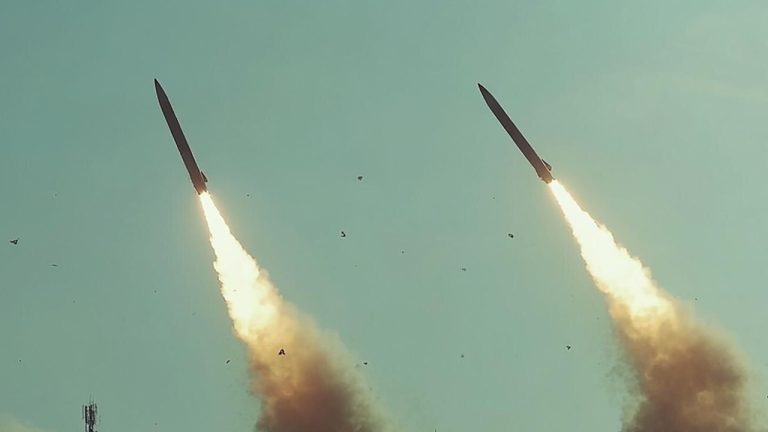
For years, some analysts argued that precision air power had made ballistic missiles less relevant. Watching Iran’s missile program and how it’s used in regional confrontations has forced a rethink. Missiles remain one of the fastest ways to strike distant bases and infrastructure without risking pilots.
If you’re planning a campaign, that matters a lot. Missiles can hit airfields, fuel depots, ports, and command centers in the opening hours of a fight. Even when defenses intercept many of them, the pressure they create forces commanders to disperse aircraft, move supplies, and rethink how bases are built. Hardened shelters and distributed operations are getting renewed attention.
Proxy Forces Extend Reach Without Direct War
One thing you notice quickly when studying Iran’s strategy is how heavily it leans on partners and affiliated militias. These groups operate across several regions and give Tehran influence far beyond its own borders.
For military planners, that creates a complicated battlefield. You might face attacks on shipping lanes, rockets fired by militias, and drone strikes from different directions while the main country stays one step removed. That structure allows pressure without immediate escalation. It also means any campaign plan must consider multiple fronts and irregular forces rather than a single conventional army.
Commercial Technology Is Now a Battlefield Tool
Another lesson that stands out is how often off-the-shelf technology shows up in combat systems. Commercial drones, satellite imagery, and navigation tools can be adapted for military use with surprising effectiveness.
When you’re studying a conflict involving Iran and its partners, you see how accessible technology changes the equation. Groups that once lacked sophisticated equipment can now field surveillance drones, precision guidance kits, and communication tools that were unavailable a decade ago. Military planners are paying attention because it means future opponents may acquire capabilities faster than traditional intelligence estimates predicted.
Sea Lanes Are Easier To Threaten Than To Protect
The waterways around the Middle East are among the busiest shipping routes in the world. When tensions involving Iran rise, those routes quickly become pressure points. Small boats, naval mines, drones, and anti-ship missiles all present different risks to commercial vessels and naval escorts.
From a planning perspective, protecting shipping requires constant presence and coordination. Attacking it is often simpler. A few well-placed threats can force rerouting, increase insurance costs, and disrupt trade. That imbalance is pushing naval strategists to rethink convoy tactics, surveillance coverage, and how quickly forces can respond to incidents in crowded maritime corridors.
Cyber Operations Are Quiet But Persistent
Not every conflict plays out with explosions and missile launches. Cyber activity tied to regional tensions has become a constant background element. Infrastructure networks, shipping systems, and government agencies all face probing attempts during periods of confrontation.
For military planners, this reinforces the idea that modern conflicts begin long before shots are fired. Cyber intrusions can gather intelligence, disrupt communications, or create confusion during a crisis. You’re seeing greater emphasis on protecting logistics networks and command systems because digital vulnerabilities can have real consequences once a conflict escalates.
Airbases Are No Longer Safe Rear Areas
In earlier wars, airbases deep inside friendly territory were considered relatively secure. Missile and drone developments have changed that assumption. Iranian capabilities demonstrate that long-range strikes can reach facilities once thought safely outside the fight.
That shift forces planners to reconsider how air power operates. Aircraft may need to disperse across multiple locations instead of concentrating on a few large bases. Fuel storage, runways, and maintenance areas require stronger protection. When planners talk about survivability today, they’re thinking about how to keep aircraft operating even after bases take hits.
Logistics Is Still the Backbone of War
Watching any prolonged confrontation reminds you how important logistics remain. Weapons get the headlines, but supply lines determine how long forces can operate. Iran’s strategy, along with responses to it, highlights how fuel, spare parts, and ammunition become critical pressure points.
If you’re planning a campaign, the question isn’t only how to fight but how to keep fighting weeks later. Tankers, cargo aircraft, and supply ships all become high-value targets. That’s why planners increasingly focus on redundancy—multiple supply routes, dispersed storage, and mobile logistics units that can keep forces moving even when infrastructure takes damage.
Regional Wars Can Pull In Global Forces
Another lesson that keeps coming up is how quickly regional tensions attract outside involvement. When attacks threaten shipping routes or allied bases, multiple countries often step in to reinforce defenses or patrol key areas.
That dynamic complicates military planning for everyone involved. Any confrontation risks expanding beyond the original players as allies respond to protect their interests. Planners study these patterns carefully because escalation can happen through a chain reaction of commitments rather than a single deliberate decision.
Information Warfare Shapes Public Perception
Finally, there’s the battle over narrative. Every strike, interception, or incident at sea is quickly framed through competing media channels. Governments release footage, statements, and claims designed to influence how events are perceived around the world.
For military planners, that environment matters almost as much as the physical fight. Public opinion, allied support, and political pressure can shift rapidly when images circulate online within minutes. That reality means modern campaigns must account for the information battlefield alongside traditional military operations.

Asher was raised in the woods and on the water, and it shows. He’s logged more hours behind a rifle and under a heavy pack than most men twice his age.