Why some calibers fail when it matters most
You hear it all the time—“that caliber will get it done.” And most of the time, that’s true. But when things go sideways—bad angles, longer shots than planned, heavy bone in the way—that’s where the cracks show. Caliber choice isn’t just about what works on a clean broadside at 100 yards. It’s about what still works when everything’s less than ideal.
Over the years, I’ve seen animals lost and opportunities wasted, not because the shooter didn’t care, but because the cartridge didn’t have enough margin for error. Some calibers are more forgiving than others. Here’s where certain ones tend to fall short when it matters most.
Limited Penetration on Tough Angles
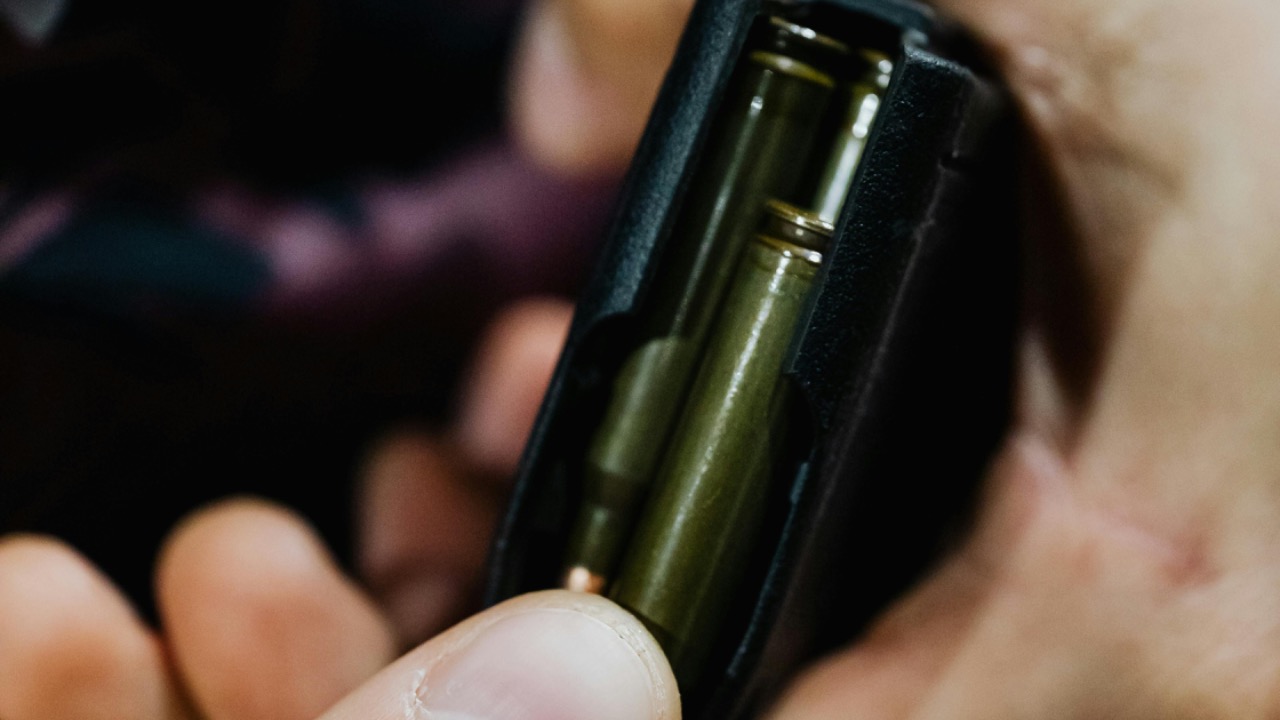
You don’t always get a perfect broadside. Quartering shots happen, and that’s where lighter calibers can run out of steam. When you have to push through shoulder, muscle, and maybe a rib on the way in, penetration becomes everything.
Smaller, faster rounds often rely on speed more than mass. That works fine until they hit resistance. Then you see bullets fragment early or fail to reach vital organs. You might get a hit, but not the kind that anchors an animal. When penetration is marginal, your margin for error disappears fast.
Velocity Loss at Distance
A caliber can look great on paper at the muzzle, but what matters is what it’s doing downrange. As distance stretches, lighter bullets shed velocity quicker, and that affects both energy and bullet performance.
Once velocity drops below a certain threshold, some bullets stop expanding the way they’re supposed to. That turns a well-placed shot into a narrow wound channel that doesn’t do enough damage. You may still hit your mark, but the effect isn’t there. That’s where animals travel farther than they should, or don’t get recovered at all.
Bullet Construction Matters More Than People Think
A lot of folks blame caliber when the real issue is bullet design. You can take a capable cartridge and cripple it with the wrong projectile. Thin-jacketed bullets at high speeds can come apart too quickly, especially at close range.
On the other end, overly tough bullets in smaller calibers may not expand much at all, especially at lower velocities. Either way, you’re not getting the performance you need. The caliber gets the blame, but the bullet is what actually does the work once it hits.
Marginal Energy on Larger Game
There’s a difference between what can work and what works reliably. Some calibers sit right on that line, especially when used on animals at the upper end of their intended range.
When you’re dealing with bigger-bodied game, you need enough energy to break bone and reach vitals with authority. Lighter calibers can do it under ideal conditions, but they don’t leave much room for error. If your shot placement is even slightly off, you don’t get the same forgiveness you would from a heavier round.
Wind Drift Becomes a Real Problem
Out in the open, wind is always a factor, and lighter bullets tend to get pushed around more. You can make a good call and still watch your shot drift more than expected.
At moderate ranges, it may not matter much. But stretch things out, and that drift can move you out of the vitals. When you’re already dealing with a smaller caliber, you can’t afford to lose that precision. It turns a solid setup into a guessing game if you don’t account for it perfectly.
Reduced Margin for Error Under Pressure
Everything tightens up when the moment comes. Heart rate climbs, breathing gets shallow, and even experienced shooters can rush a shot. That’s where forgiving calibers earn their keep.
With smaller or borderline cartridges, you need near-perfect placement to get consistent results. There’s less room for a bad angle, a slight misjudgment, or a hit that’s a few inches off. When pressure is high, that lack of forgiveness shows up fast.
Overreliance on Speed Instead of Mass
Modern cartridges often lean on velocity to make up for lighter bullet weight. That works to a point, especially on thin-skinned game. But speed alone doesn’t carry through heavy resistance the way mass does.
When a fast, light bullet hits bone, it can lose momentum quickly or come apart. Heavier bullets tend to hold together and keep driving. If your caliber depends too much on velocity, it can fall short the moment things aren’t ideal.
Real-World Conditions Aren’t Ideal
On the range, conditions are controlled. In the field, they rarely are. You’ve got uneven terrain, moving animals, awkward shooting positions, and limited time.
Some calibers perform great when everything lines up, but struggle when conditions get messy. That’s not a flaw in the cartridge itself—it’s a limitation of how much flexibility it offers. The less forgiving the caliber, the more those real-world variables work against you.
At the end of the day, most calibers will work if everything goes right. The difference shows up when it doesn’t. The more capable cartridges give you breathing room—more penetration, more energy, more forgiveness when your shot isn’t perfect.
That’s what you’re really choosing. Not what works on a good day, but what still works when it’s not.

Asher was raised in the woods and on the water, and it shows. He’s logged more hours behind a rifle and under a heavy pack than most men twice his age.