Hunting rounds that shine at 100 yards but lose steam past 300
Spend enough time in a deer stand or still-hunting thick timber and you learn something fast: not every cartridge is built for wide-open country. Some rounds hit hard, shoot accurately, and flat-out anchor game inside 100 yards. Stretch them past 300, though, and you’re dealing with steep drop, fading energy, and wind drift that demands more guesswork than you’d like.
That doesn’t make these cartridges bad. It means they were designed with certain jobs in mind. In woods, brush, and broken terrain, they make a lot of sense. On a windswept prairie or a mountain face, they can leave you wishing for something flatter and faster. Here are hunting rounds that do excellent work up close but start running out of steam once distance stretches.
.444 Marlin
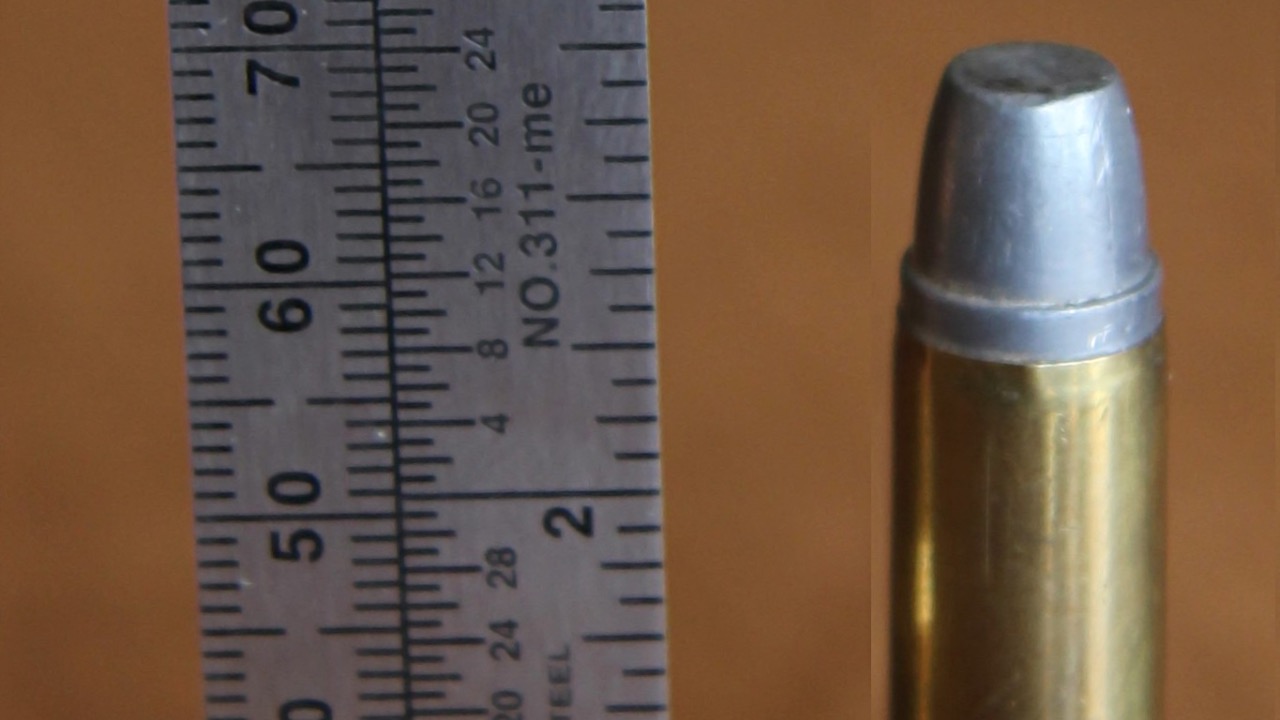
The .444 Marlin was built for authority inside typical woods ranges. Out of a lever gun, it throws a heavy .429-caliber bullet with serious punch. At 100 yards, it hits with conviction and creates decisive results on deer, black bear, and even elk in tight country.
Push it past 300 yards, though, and gravity takes over in a hurry. The bullet arc is pronounced, and retained velocity drops off quickly compared to modern high-BC projectiles. Wind drift becomes a real factor. You can stretch it with practice and careful range work, but it was never meant to be a cross-canyon cartridge.
.450 Bushmaster
The .450 Bushmaster found its place in straight-wall states and thick Midwestern timber. Inside 150 yards, it’s effective and easy to run in an AR-style platform. At 100 yards, it delivers heavy-for-caliber bullets with solid energy and predictable expansion.
Beyond 300 yards, the limitations are clear. The trajectory drops fast, and velocity bleeds off quickly due to modest ballistic coefficients. Even with careful handloads, you’re fighting physics. It remains a strong short-range option, but it doesn’t carry the legs needed for consistent long shots.
.350 Legend
The .350 Legend was designed with compliance and practicality in mind. In brushy environments and inside 200 yards, it performs well on whitetails. Recoil is manageable, and rifles chambered for it are often lightweight and handy.
Past 300 yards, however, the round struggles to maintain velocity and energy. Bullet drop becomes significant, and wind pushes those relatively blunt projectiles more than many hunters expect. You can ring steel at distance with enough practice, but for ethical hunting beyond 300, it’s not the cartridge’s strong suit.
.45-70 Government (Traditional Loads)
Loaded to traditional pressure levels, the .45-70 Government remains a woods classic. At 100 yards, a 300- or 405-grain bullet hits hard and penetrates deep. In thick cover, it’s dependable and decisive.
Step out to 300 yards and beyond, and you’re dealing with dramatic drop. Even with modern optics and dial-up turrets, the slow-moving bullet sheds velocity quickly. There are hotter loads for strong actions, but standard factory offerings still reflect the cartridge’s 19th-century roots. It excels in close country, not open basins.
.30-40 Krag
The .30-40 Krag has history on its side and mild manners at the shoulder. Inside 150 yards, it remains perfectly capable on deer-sized game. With moderate velocities and traditional bullet weights, it performs cleanly in reasonable distances.
At 300 yards and beyond, though, it starts to show its age. Compared to modern cartridges, it carries less velocity and exhibits more drop. Wind drift is noticeable, and energy retention lags behind contemporary options. It still works within its envelope, but it was never engineered with long-range hunting in mind.
.32 Winchester Special
The .32 Winchester Special was designed for lever guns and moderate velocities. In hardwood ridges and thick bottoms, it does steady work at 100 yards. The slightly larger diameter over the .30-30 offers solid performance on deer at practical distances.
Stretch it past 300 yards and you’ll quickly see the limitations. Like other traditional lever-gun rounds, it uses flat- or round-nose bullets that limit aerodynamic efficiency. That translates into more drop and more wind drift. It remains a solid choice for woods hunters, but it’s not built for cross-field shots.
6.8 Remington SPC
The 6.8 Remington SPC was developed for improved terminal performance in shorter barrels. At 100 to 200 yards, especially in lightweight carbines, it performs well on deer and hogs. It offers better energy than smaller intermediate cartridges and manageable recoil.
Past 300 yards, though, the moderate velocity and typical bullet weights begin to taper off. It doesn’t match the trajectory of cartridges designed specifically for long-range work. Energy retention drops, and wind becomes a growing concern. It’s a practical medium-range round, but it isn’t a long-haul performer.
.375 Winchester
The .375 Winchester was intended as a modernized lever-action cartridge with more punch than older black powder rounds. Inside 150 yards, it delivers strong performance on deer and black bear, especially in dense cover.
At extended ranges, the heavy, relatively blunt bullets shed speed quickly. By 300 yards, drop is substantial and retained energy falls off sharply. It remains effective where visibility is limited and shots are close, but it doesn’t offer the reach or flat trajectory needed for consistent performance in open country.
In the end, you match the cartridge to the country you hunt. If your world is hardwood ridges, cedar thickets, or river bottoms, these rounds can serve you well. If you’re glassing across sage flats or alpine bowls, you’ll want something that keeps its speed and fights the wind a little better.

Asher was raised in the woods and on the water, and it shows. He’s logged more hours behind a rifle and under a heavy pack than most men twice his age.