6 meats that are now restricted or banned in parts of the U.S.
You can still walk into most places in the U.S. and buy beef, pork, or chicken without thinking twice. But there’s a short list of meats that don’t get that same treatment anymore. Some were pushed out over disease concerns. Others ran into animal welfare fights, environmental pressure, or straight-up safety issues.
If you spend enough time around hunting camps, processors, or state regs, you start to see where the lines are drawn—and why. A few of these bans are nationwide. Others depend on where you’re standing. Either way, they’ve changed what ends up on the table.
Here’s a closer look at meats that are restricted or banned in parts of the country—and what put them there.
Horse Meat Has Been Effectively Shut Down
You won’t find horse meat in grocery cases across the U.S., and there’s a reason for that. While it isn’t outright illegal to eat horse, the commercial slaughter side has been blocked for years through federal funding restrictions.
Without USDA inspection, no plant can legally process horse meat for sale. That’s what effectively shut the door. There have been attempts to reopen facilities, but they’ve run into heavy public pushback and legal challenges. So while horse meat is still consumed in other parts of the world, here it’s largely off the table unless you’re dealing with imported product—and even that’s rare.
Shark Meat Faces State-Level Restrictions
Shark meat itself isn’t universally banned, but certain species and products tied to sharks have been restricted hard, especially on the coasts. States like California and Hawaii have gone after the shark fin trade, which directly impacts the market for shark.
You can still legally catch and eat some shark species under federal rules, but regulations vary by state and species. A lot of it comes down to conservation. Overfishing and the slow reproduction rates of sharks put pressure on regulators to tighten things up. For you, that means what’s legal in one state might not fly in another, even if you caught it yourself.
Wild Game Sales Are Heavily Restricted
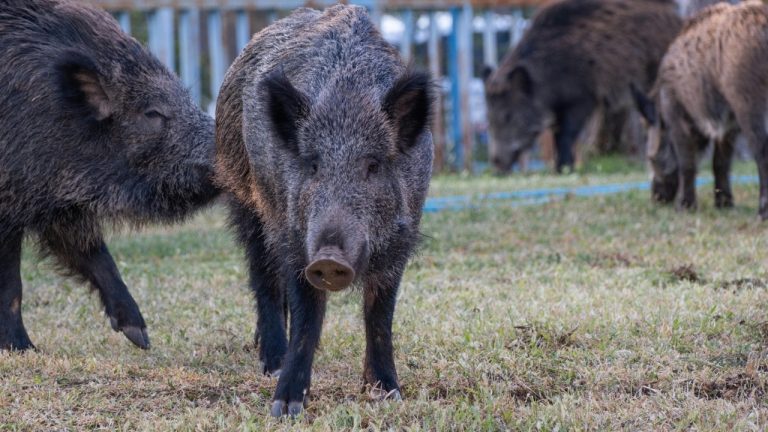
You can hunt deer, elk, and other game across the country, but selling that meat is a different story. In most states, it’s illegal to sell wild game commercially. That’s been in place for a long time to prevent overharvest and protect wildlife populations.
There are a few exceptions, like farm-raised venison or certain birds, but truly wild-harvested meat stays out of the commercial market. You can eat what you harvest and share it in limited ways, but you can’t turn it into a business. That line keeps hunting tied to conservation rather than profit, which is exactly how the system was built.
Sea Turtle Meat Is Strictly Illegal
Sea turtles are fully protected under federal law, and that includes any use of their meat. The ban comes through the Endangered Species Act, which makes it illegal to harvest, sell, or possess them.
Historically, sea turtle meat showed up in soups and coastal cooking, but those days are long gone in the U.S. Populations dropped hard due to overharvest and habitat loss, and the protections are now strict. If you’re thinking in terms of legality, there’s no gray area here. Taking a sea turtle for meat will land you in serious trouble.
Whale Meat Is Off-Limits Nationwide
Whale meat falls under strong federal protections, largely through the Marine Mammal Protection Act. That law makes it illegal to hunt, kill, or sell marine mammals, including whales, across the United States.
There are limited exceptions for certain Indigenous communities in Alaska, where subsistence hunting is tightly regulated and culturally important. Outside of that, whale meat isn’t part of the legal food chain. Like sea turtles, the restrictions came after decades of overharvest pushed populations to the brink, and they haven’t loosened since.
Dog Meat Is Federally Banned
Dog meat crossed a line that lawmakers eventually locked down nationwide. In 2018, the Dog and Cat Meat Trade Prohibition Act of 2018 made it illegal to slaughter dogs and cats for human consumption in the U.S.
Before that, enforcement was patchy and mostly handled at the state level. Now it’s a federal offense. While it was never widespread in American food culture, the law closed any remaining loopholes. Today, there’s no legal pathway to process or sell dog meat anywhere in the country.
When you look at the full picture, most of these restrictions come down to three things: conservation, public health, and public pressure. Some animals couldn’t handle the harvest. Others raised safety concerns. And a few simply crossed cultural lines that lawmakers weren’t willing to leave open.
Either way, these rules shape what’s legal to hunt, sell, and eat—and they’re not likely to loosen anytime soon.

Asher was raised in the woods and on the water, and it shows. He’s logged more hours behind a rifle and under a heavy pack than most men twice his age.