Backlash grows after Japan’s dolphin hunt ends with hundreds killed
The latest dolphin drive season in Taiji, Japan, has ended with hundreds of animals killed and dozens taken for display, and the fallout is still gathering force. Animal welfare groups, diplomats and Japanese activists are seizing on this year’s toll to argue that the hunt has become indefensible in a country that increasingly markets itself as an ocean champion.
Campaigners say the 2025 to 2026 season, which closed on February 28, left 393 dolphins dead and 84 captured alive, figures that are now driving a new wave of protests, petitions and diplomatic pressure. Instead of bringing closure, the end of the season has set off a fresh reckoning over a practice that critics describe as both cruel and out of step with global conservation norms.
Another season ends with a heavy toll
According to detailed tallies shared by advocacy groups, the main part of Taiji’s 2025 to 2026 drive hunt season ended on February 28, when hunters stopped driving pods into the small inlet made famous by the film about The Cove. One monitoring group reported that on that date it could confirm the formal close of the primary drive season, although smaller beaked dolphins and pilot whales can still be targeted if spotted offshore, a loophole that keeps pressure on vulnerable species throughout the year. The same group described the end of the season as a moment of partial relief for animals that migrate along Japan’s Pacific coast, even as the death count underscores the scale of the ongoing hunt, a point it highlighted in its summary of Taiji’s drive hunt.
Separate figures shared by Wildlife at Risk state that the current Taiji dolphin slaughter season recently ended as of Feb. 28, 2026, leaving a devastating toll: 393 dead, 84 taken for captivity. The group emphasized that this season, the hunters targeted multiple species and that the death and capture totals represented only the animals that could be counted from the shoreline, not those that may have died unrecorded at sea. The same numbers, 393 and 84, appear in a widely shared social media post titled “Taiji: The fight to expose the truth and end the cruelty continues as” which repeats that the current Taiji dolphin slaughter season recently ended as of Feb. 28, 2026, leaving a devastating toll: 393 dead, 84 taken for captivity, and frames the hunt as a combination of slaughter and what it calls slavery.
Those totals fit into a longer pattern. Earlier seasons have also ended with hundreds of animals killed and dozens shipped to aquariums and marine parks. One breakdown for the 2024 to 2025 season listed, among other figures, Striped Dolphin #Killed: 157 #Captivity: 3 and Bottlenose Dolphin #Killed: 31 #Captivity: 87, illustrating how certain species are disproportionately taken alive for display while others are primarily killed for meat. That same summary, written By Mark J. Palmer, stressed that the 157 figure for striped dolphins and the 87 figure for captive bottlenose dolphins showed a skew toward supplying the captivity industry rather than local food demand.
How the Taiji drive hunt works
The Taiji hunt is a form of dolphin drive hunting, a method in which fishing boats locate pods offshore and use metal poles, engines and noise to herd the animals into a cove. Nets are then drawn across the entrance, trapping the dolphins in shallow water where hunters and trainers can separate them by species, age and perceived market value. According to one detailed account of the 2025 to 2026 season, only “show quality” dolphins are kept for captivity, mostly bottlenose dolphins, while most of the other species of dolphins are mainly killed for meat. That report, which tracks hunt-by-hunt outcomes, notes that striped dolphins run in very tight groups that are easy to surround and that in one documented drive three were brought into captivity while the rest of the pod was slaughtered, a pattern that has prompted the description that Taiji dolphin hunts continue pounding dolphins year after year, as laid out in a dispatch on Taiji dolphin hunts.
Halfway through the 2025 to 2026 Taiji dolphin hunt season, another advocacy video warned that the numbers were already devastating and that dolphins were still being driven into The Cove at Taiji, Japan. The footage showed what monitors described as chaotic scenes in the narrow inlet, with boats pushing panicked animals toward the beach where they could be selected or killed out of public view. Cove Monitors working with a long running campaign returned to Taiji in early 2026 and documented one such drive, describing it as “the single most powerful thing” they could do to keep global attention on the hunt and crediting The Cove movie with sparking an international response that, in their view, has not yet translated into policy change inside Japan.
Species under siege
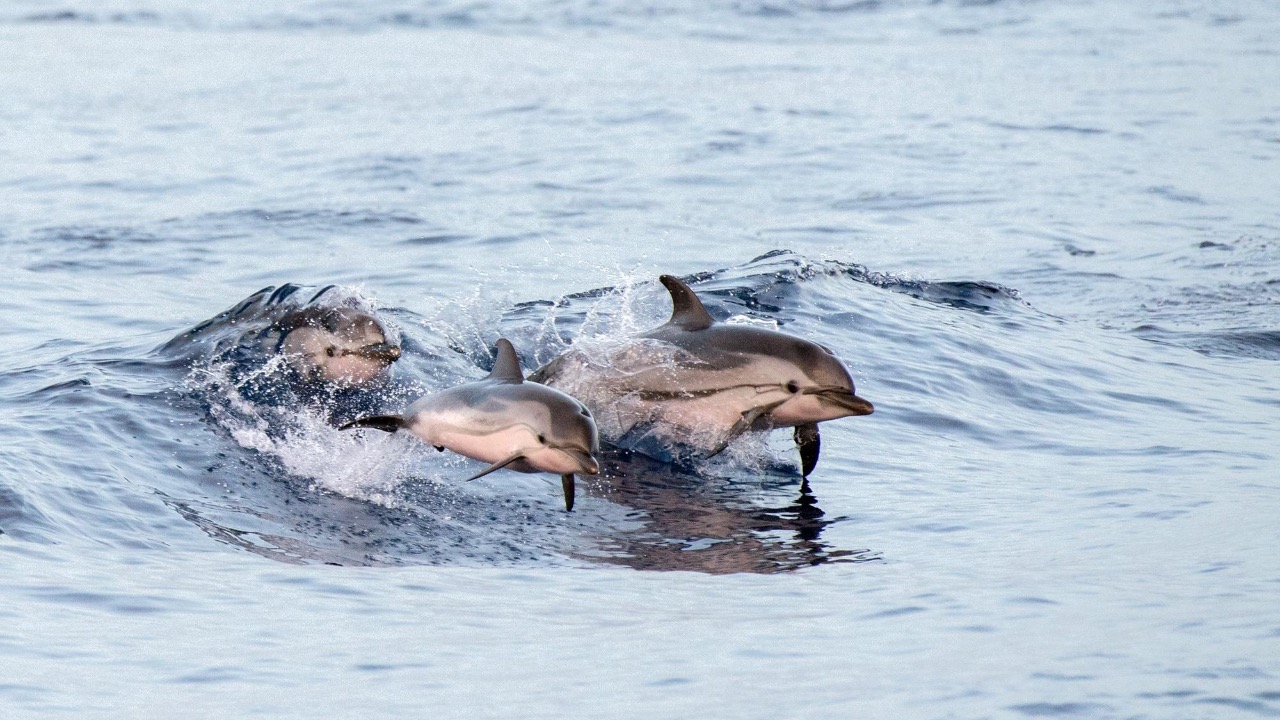
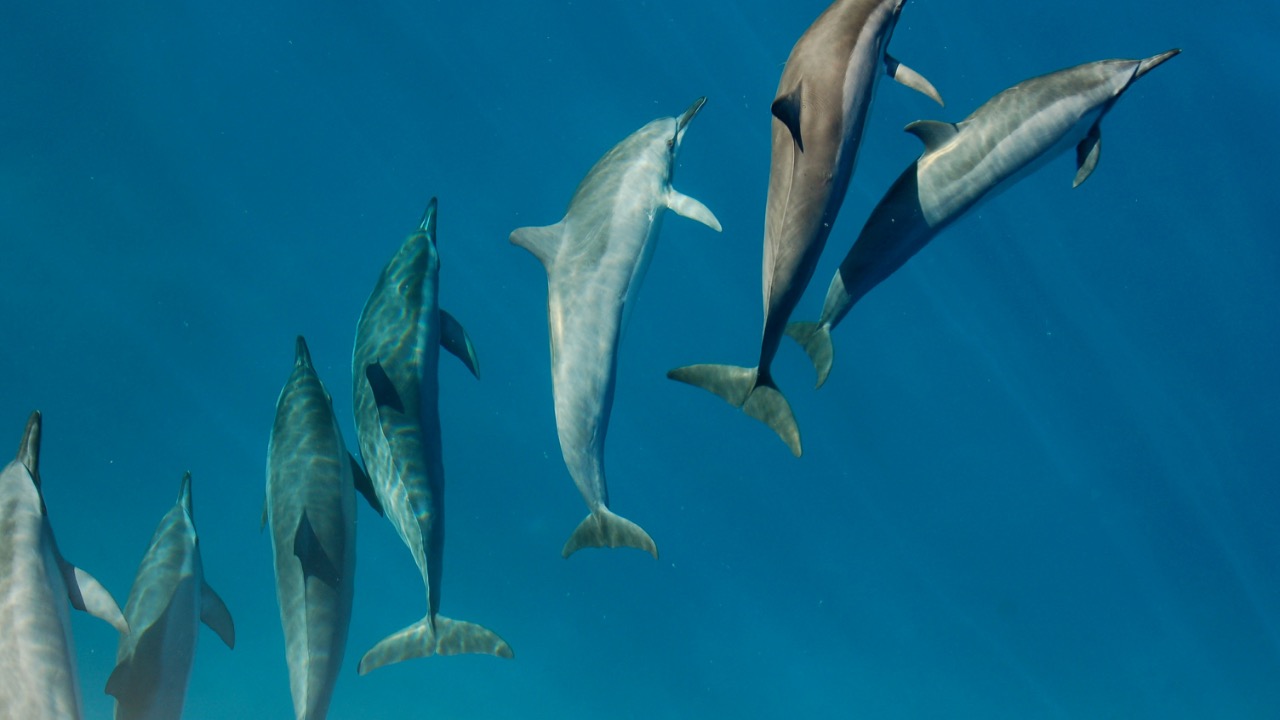
The hunt targets a range of small cetacean species that migrate past the Kii Peninsula. Among them are striped dolphins, which travel in large, cohesive schools and are often driven in significant numbers. Striped dolphins are known for their high speed and acrobatic behavior in the open ocean, traits that become liabilities when boats use sound to panic and corral them into the cove. The earlier season figures of 157 striped dolphins killed and only three taken into captivity hint at how little commercial value the live trade places on this species compared with others.
Another frequent target is the melon headed whale, a small cetacean that resembles a dolphin and forms tight social groups. According to species profiles, melon headed whales are highly social and often gather in large pods, which makes them vulnerable to drive techniques that exploit group cohesion. When a pod is herded into the cove, the animals are reluctant to abandon injured or captured relatives, a behavior that observers say turns their social bonds into a trap.
Risso’s dolphins are also on the list of permitted species. These robust animals, identified by their blunt heads and heavily scarred bodies, are another deep diving species that passes near Taiji. Scientific and educational references describe Risso’s dolphins as social, with strong bonds within pods, and campaigners argue that driving such animals into a confined space inflicts psychological as well as physical trauma.
Optional species such as short finned pilot whales and bottlenose dolphins face similar risks. Short finned pilot whales, referenced in species guides that describe them as deep diving, family oriented animals, are sometimes driven into the cove when they are spotted near Taiji, a practice allowed under the same regulatory framework that governs other small cetaceans. Bottlenose dolphins, familiar from marine parks around the world, are targeted both for meat and as high value live exports. Species information highlights that bottlenose dolphins are intelligent, adaptable and easily trained, which explains why trainers in Taiji select them as “show quality” animals while other species are killed.
Captivity and commerce
The numbers for live captures reveal how closely the Taiji hunt is tied to the global captivity industry. In the 2024 to 2025 season, the figure Bottlenose Dolphin #Killed: 31 #Captivity: 87 shows that nearly three times as many bottlenose dolphins were taken alive as were killed, a stark contrast to the pattern for striped dolphins where Striped Dolphin #Killed: 157 #Captivity: 3. Campaigners argue that this skew reflects the high prices paid by marine parks and aquariums for trained or trainable animals, which can fetch tens of thousands of dollars per dolphin on the international market, although specific contract values for this season remain unverified based on available sources.
Social media posts from groups such as Ric O’Barry’s Dolphin Project describe trainers entering the cove at first light, selecting young, unscarred dolphins for export and leaving older or less “attractive” animals to be killed for meat. One widely shared post on Facebook, titled “Taiji’s 2025/2026 drive hunt season has ended, bringing relief for many dolphin species passing Japan’s coast. But the story is no…”, frames the end of the season as a moment to reflect on the link between the cove and tanks around the world. The same campaign account on Instagram repeats the message that Taiji’s 2025/2026 drive hunt season has ended, bringing relief for many dolphin species passing Japan’s coast. But the story is no and adds hashtags such as #StopTaiji, #EndDolphinCaptivity and #DolphinsAreNotFood to underline the connection between the hunt and the captivity trade.
Wildlife at Risk’s Facebook post, which lists the season’s toll as 393 dead, 84 taken for captivity, explicitly calls out marine parks that buy Taiji dolphins and urges followers to avoid facilities that keep captive cetaceans. Another Instagram post, shared under the caption “Taiji: The fight to expose the truth and end the cruelty continues as”, repeats the numbers 393 and 84 and frames the captivity pipeline as “slavery” for dolphins that survive the initial capture. Campaigners say these animals face years of confinement in small concrete pools, where they are trained to perform for tourists who are rarely told how the dolphins were caught.
Domestic and international backlash
Global outrage over Taiji’s hunt is not new, but the 2025 to 2026 season has brought a fresh surge of criticism. International campaigners have rallied outside Japanese embassies and consulates, while online petitions gather hundreds of thousands of signatures. One article on campaigners rallying against Japan’s dolphin hunting recalls that The US ambassador to Japan Caroline Kennedy once tweeted her concern at the “inhumaneness” of a Japanese village’s traditional dolphin drive and that she said she naturally felt that these practices were troubling, even while acknowledging that some Japanese people wish to eat dolphins. That intervention from a senior diplomat is frequently cited by activists as evidence that concern about Taiji extends beyond animal rights circles and into diplomatic conversations between The US and Japan Caroline Kennedy’s host government, although there is no indication in the provided sources of direct policy consequences.
Inside Japan, the picture is more complex. Reporting on Japan’s controversial annual dolphin hunt has described a growing national movement that questions the hunt, even as some local residents and politicians defend it as a traditional practice and a source of income. Foreigners often protest the hunts with bloody and graphic imagery. Meanwhile, Japanese led protests have focused more on legal arguments, animal welfare standards and the reputational damage to Japan as a whole. Activists in Tokyo and Osaka have staged demonstrations outside aquariums that hold Taiji dolphins, arguing that urban consumers should not be shielded from the realities of how the animals were caught.
International groups have also tried to widen the debate beyond Taiji by pointing out that dolphin drive hunting has already ended in several other countries. An overview of dolphin drive hunting notes that Hunts have ended in countries including Iceland and the United States and that the practice has attracted protests from animal rights groups partly because of concerns about meat containing PCB and DDT derivatives and mercury. Campaigners use this comparison to argue that Japan is increasingly isolated in allowing drive hunts to continue and that public health questions about dolphin meat add another layer of risk for coastal communities.

Leo’s been tracking game and tuning gear since he could stand upright. He’s sharp, driven, and knows how to keep things running when conditions turn.