The states where invasive species are getting out of control
You don’t have to look far to see how invasive species are changing the ground you hunt and fish. What used to be a slow-moving problem has picked up speed, and some states are feeling it harder than others. New plants choke out habitat. Non-native animals outcompete what’s supposed to be there. And once they get a foothold, they’re tough to push back.
You can still find good hunting and fishing, but the landscape underneath it is shifting. In some places, it’s happening faster than agencies can keep up. Here’s where the pressure is building—and what it means when you’re in the field.
Florida Is Ground Zero for Exotic Wildlife
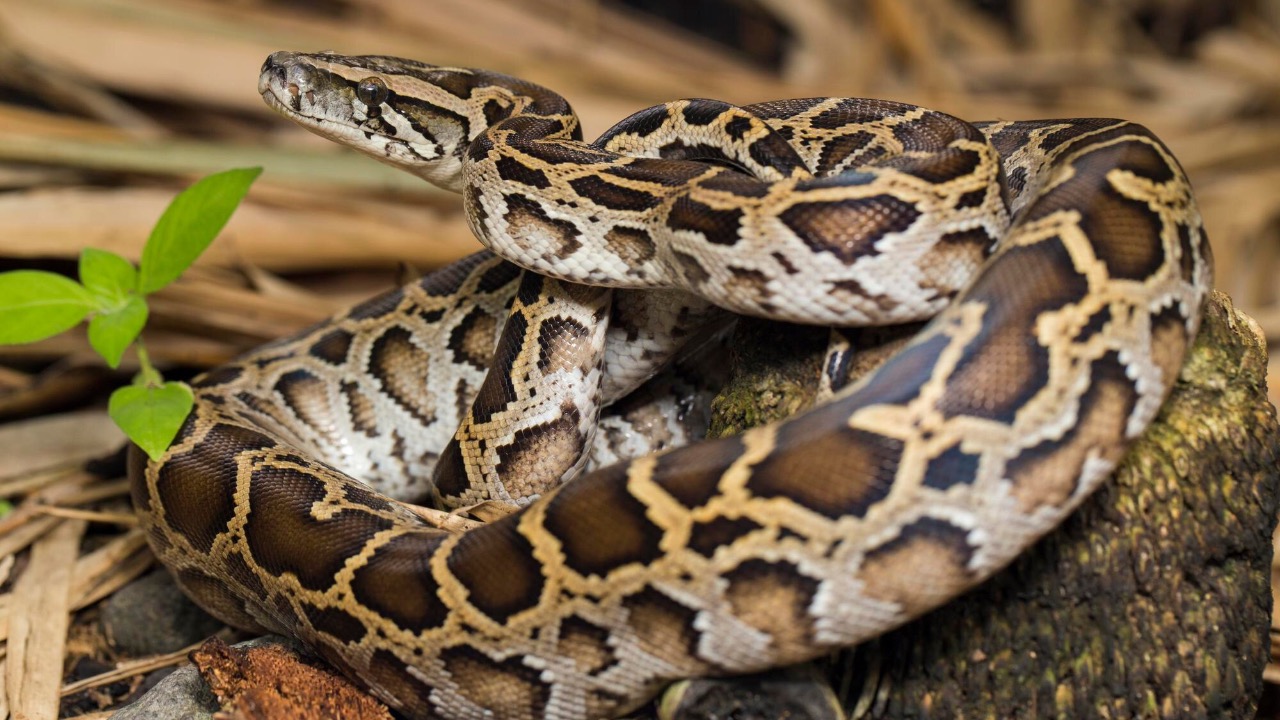
If you spend any time in Florida, you already know how far things have gone. Burmese pythons have taken over large parts of the Everglades, putting serious pressure on native mammals. Studies have shown steep declines in raccoons, rabbits, and other prey species where pythons are established.
It’s not only snakes. Green iguanas, feral hogs, and a long list of aquarium and pet releases have carved out their own niches. Warm weather keeps everything alive year-round, which makes control efforts harder. When you’re hunting there, you’re often dealing with a system that’s already been reshaped in a big way.
Texas Is Fighting a Feral Hog Explosion
In Texas, feral hogs aren’t a side issue—they’re everywhere. Estimates run into the millions, and they’re tearing up crops, pasture, and native habitat at a pace that’s tough to match.
They reproduce fast and adapt to pressure, which means even heavy hunting doesn’t knock them back for long. You’ll find them on private and public land alike, often moving at night and shifting patterns when pressured. It’s one of the few places where invasive species have become a year-round hunting focus, but even that hasn’t slowed the overall growth.
California Is Losing Ground to Invasive Plants and Mussels
Out in California, the problem leans heavily toward plants and aquatic invaders. Species like cheatgrass and yellow star-thistle are crowding out native vegetation, changing fire patterns and reducing quality habitat for wildlife.
In the water, quagga and zebra mussels have taken hold in key reservoirs. They clog infrastructure and disrupt food chains that native fish rely on. When you’re scouting or fishing, you’re dealing with altered landscapes—places that don’t function the way they did even a couple decades ago.
Louisiana Is Battling Nutria in the Marsh
Down in Louisiana, nutria have done real damage to coastal marshes. These rodents feed aggressively on vegetation, stripping root systems that hold wetlands together.
That erosion adds up. Marsh loss affects waterfowl habitat, fisheries, and storm protection. The state has tried to manage it through bounty programs, and hunters have stepped in to help. Even so, it’s a constant fight. When you’re out there, you’re seeing habitat that’s actively being eaten away.
Michigan’s Waters Are Under Siege
In Michigan, invasive species have hit the Great Lakes hard. Zebra mussels, round gobies, and sea lampreys have all played a role in reshaping the fishery.
Some of these species have been around for decades, but their effects are still unfolding. They alter food webs, impact native fish survival, and change how you approach fishing. You might still catch fish, but the system underneath has shifted, and it’s not going back to what it once was.
Arizona Is Dealing with Invasive Fish and Bullfrogs
In Arizona, native fish have it rough. Non-native species like bass and catfish outcompete or prey on them in rivers and reservoirs.
Add in bullfrogs, and the pressure increases. They feed on anything they can fit in their mouths, including native amphibians and small mammals. In a dry landscape where water is already limited, these invasions hit harder. When you’re on the water, you’re often fishing a system that’s been heavily tilted toward non-native species.
Hawaii Faces Relentless Pressure from Introduced Species
In Hawaii, isolation once protected native wildlife. Now it works against it. Introduced animals and plants spread quickly, and native species often don’t have defenses.
Feral pigs tear up forests and spread invasive plants. Non-native birds and insects compete with or prey on native species. The balance is fragile, and once it shifts, recovery is slow. If you hunt there, you’re often targeting invasive animals, which says a lot about how much the landscape has changed.
New York Is Seeing Forests Shift from Within
In New York, invasive insects are doing quiet but serious damage. The emerald ash borer has wiped out ash trees across large areas, and spotted lanternfly is adding new pressure.
You might not notice it at first, but over time, forests change. Loss of key tree species affects habitat, food sources, and how wildlife uses the land. It also impacts access, with dead and falling timber becoming a hazard in some areas. It’s a slower burn, but the results are just as real.
Alaska Is Facing New Threats as the Climate Warms
Even Alaska isn’t immune. Warmer temperatures are opening the door for invasive plants and insects that couldn’t survive there before.
Species like elodea are clogging waterways, affecting salmon habitat and float access. As conditions shift, more non-native species are expected to gain ground. It’s early compared to other states, but the trend is there. When you’re hunting or fishing, you’re seeing the front edge of a problem that’s likely to grow.
Invasive species don’t hit all at once. They build, spread, and settle in until the landscape feels different than you remember. Some states are further down that road, but none are untouched.
If you spend enough time outdoors, you start to notice the changes. Different plants underfoot. Different animals showing up on trail cams. It’s a reminder that access isn’t the only thing changing—the ground itself is too.

Asher was raised in the woods and on the water, and it shows. He’s logged more hours behind a rifle and under a heavy pack than most men twice his age.