Ten dog breeds known for bold, protective temperaments
Bold, protective dogs appeal to people who want a companion that will not only share the couch but also stand between the family and a threat. Looking at the breeds most often praised for courage and guarding instinct, I see the same pattern repeat: strong working heritage, close bonding with their people, and a temperament that stays calm until there is a real reason to react. The ten breeds I focus on here all fit that profile, but each brings a different mix of size, energy, and family friendliness.
I approach these dogs less as four-legged alarm systems and more as partners that need structure, training, and respect. A bold temperament without guidance can slide into trouble, while the same confidence, given clear rules and socialization, can create a steady guardian that watches over children, property, and even livestock. Understanding what makes each breed tick is the first step toward deciding whether one of these powerful personalities belongs in your home.
Cane Corso: the classic bodyguard dog
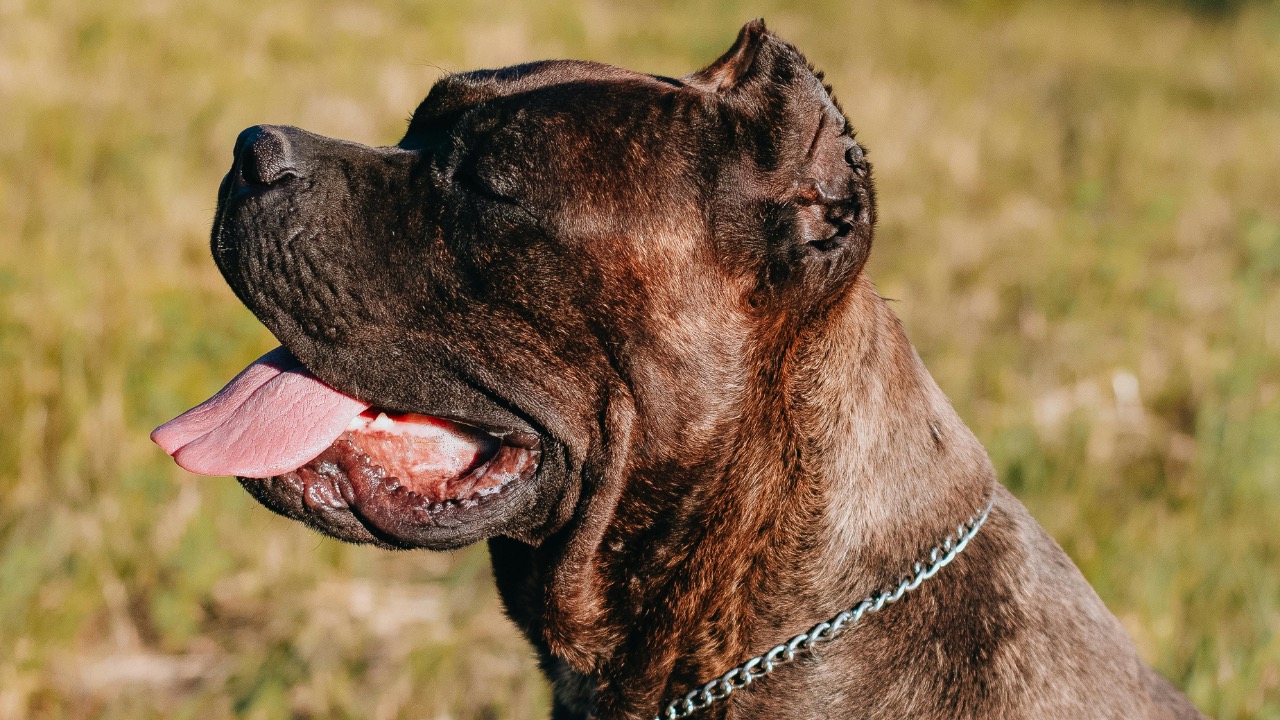
When I think of a modern bodyguard in canine form, the Cane Corso is usually the first image that comes to mind. The name itself has become shorthand for serious protection, and one detailed discussion of guard dog choices singled out the Cane Corso alongside the German Shepherd and Belgian Malinois after “quite some research,” which shows how often this breed rises to the top for people comparing real-world options such as a dedicated yard guardian or a personal protection companion, with the Latin roots of the name described as “pretty cool” in that thread on Cane Corso. I see that popularity echoed in coverage of loyal breeds that calls the Cane Corso assertive, intelligent, and naturally inclined to watch over its people, with the Latin translation of its name tied directly to the idea of a “bodyguard dog,” which fits the way owners describe their dogs shadowing them from room to room.
At the same time, I notice responsible trainers repeatedly stressing that a Cane Corso is not a casual choice for a first-time owner. A profile of fearless breeds that never back down describes the Cane Corso as powerful and commanding in presence, with a long history of guarding and a readiness to defend family if danger is sensed, which is exactly the kind of intensity that can go wrong without early training and firm boundaries that stay fair and consistent over the dog’s life, as highlighted in coverage of how The Cane Corso responds to perceived threats. The best outcomes tend to come when owners combine that natural protectiveness with socialization around visitors and neutral spaces, so the dog learns to distinguish between genuine danger and everyday bustle.
German Shepherd: intelligent guardian and partner
The German Shepherd sits at a unique crossroads of family dog, working partner, and serious protector. In lists of brave and faithful guard breeds, the German Shepherd often tops the rankings, with one survey of “Brave and Faithful Guard Dog Breeds to Trust” putting the German Shepherd first for intelligence and unwavering loyalty and describing how The German Shepherd has been relied on for roles that range from police work to search and rescue, which speaks to the breed’s ability to read situations and respond quickly when a handler gives a cue or when a threat appears on its own, as seen in coverage of Brave and Faithful. Owners often mention how these dogs seem to anticipate needs, placing themselves between children and strangers on walks or quietly checking windows at night.
I also see German Shepherds appear in more nuanced discussions of “protective but not aggressive” dogs, where trainers group “The Shepherds” with Boxers, Rottweilers, Bullmastiffs, Dobermans, and Cane Corsos as examples of breeds that can guard without constant reactivity if they are bred and raised correctly, which reinforces the idea that this is a thinking guardian rather than a hair-trigger brawler, as described in guidance on What Dog Breed. For families willing to invest in obedience classes, mental games, and daily exercise, the German Shepherd’s bold temperament usually channels into calm confidence at home and precise control in public spaces.
Doberman Pinscher: sleek, vigilant defender
The Doberman Pinscher often gets described in almost cinematic terms, and I understand why when I look at how the breed moves and works. One widely shared reel from a major registry calls a Doberman Pinscher “the most fearless guardian of the canine world,” highlighting its loyalty, elegance, and unwavering courage, and goes on to describe how their alertness, power, and grace combine into a dog that stays poised yet ready to act if a threat appears, which lines up with what I hear from owners who rely on their dogs as both companions and protectors, as shown in that description of the Doberman Pinscher. The same traits appear in a protection-focused list that calls the Doberman agile, athletic, and highly intelligent, with a reputation as a perpetually vigilant and swift defender.
That combination of speed and focus makes the Doberman a favorite in personal protection circles, but it also means I view this breed as one that needs a job, not just a backyard. In coverage of top dogs for personal protection, the Doberman appears alongside the Caucasian Shepherd as part of a lineup described as a “quiet force,” which captures how these dogs can lie calmly at a handler’s feet yet explode into motion when a command is given or when a stranger behaves suspiciously, as reflected in that overview of the Doberman. With structured training, their bold temperament tends to channel into precise work, from advanced obedience to sports like protection trials, and that same discipline often makes them steady around children and visitors once introductions are handled thoughtfully.
Rottweiler: loyal powerhouse with a soft core
The Rottweiler is one of the clearest examples of a dog that combines immense physical strength with deep emotional attachment to its family. A profile of loyal breeds states plainly that Rottweiler Rottweilers are known for their strength, courage, and unwavering loyalty, and emphasizes that this breed is highly protective of its family while also forming close bonds that go far beyond simple guarding, which matches what I see in households where the dog alternates between leaning gently on a child’s legs and planting itself in front of the front door when footsteps sound outside, as described in coverage of Rottweiler Rottweilers. Trainers often highlight how that loyalty can tip into overprotection if owners do not set clear rules from puppyhood.
In discussions of protective but not inherently aggressive breeds, Rottweilers appear alongside Boxers and Bullmastiffs as examples of dogs that can differentiate between normal life and genuine threat when they receive consistent socialization and leadership. That same guidance groups them with “The Shepherds” and Dobermans as breeds whose guarding instinct is strong but whose behavior can remain stable when they understand exactly what is expected of them, a point that reinforces my view that the Rottweiler’s boldness is as much a training responsibility as a genetic trait, as outlined in advice on Rottweilers. With that structure in place, they tend to function as calm, watchful companions who rarely need to raise their voice to deter trouble.
Bullmastiff: quiet strength and steady courage
The Bullmastiff represents a different style of boldness, one that relies on sheer presence and composure rather than constant motion. Historical summaries explain that Bullmastiffs are known for their strength, loyalty, and protective instincts and that they were originally bred to guard estates, which helps explain why so many of them seem content to patrol a property line or lie across a doorway as a living barrier, as detailed in coverage that notes Bullmastiffs were Originally developed to deter poachers and will stand firm in the face of danger to protect their families, as seen in analysis of Bullmastiffs. Owners often describe them as calm indoors yet instantly alert when something seems off outside.
In the context of “protective but not aggressive” breeds, Bullmastiffs are again singled out as dogs that can provide serious security while remaining gentle with their own families. Trainers point out that their guarding style tends to be more about blocking and holding rather than biting, which fits with the estate-guarding history and with modern accounts of Bullmastiffs stepping between their owners and strangers in a quiet but unmistakable way, a pattern that appears in guidance that groups Bullmastiffs with Rottweilers, Boxers, and other strong breeds under the banner of controlled protectiveness, as described in the overview of Bullmastiffs. This measured temperament, combined with their size, makes them particularly appealing for people who want a guardian that spends most of its time as a quiet shadow.
Giant Schnauzer: sharp mind, bold attitude
The Giant Schnauzer brings a different energy to the protective-dog conversation, pairing a sharp mind with a bold, sometimes bossy personality. Breed spotlights describe Giant Schnauzers as large, sturdy dogs with a distinctive square build, a wiry double coat that is usually solid black or “salt and pepper,” and a robust, alert expression framed by bushy eyebrows and a beard, and they go on to say that They, the Giant Schnauzers, are known for their protective nature, loyalty, and intelligence, typically confident and fearless while forming strong bonds with their families and staying aloof with strangers until properly introduced, as detailed in that focused look at Giant Schnauzers. Trainers often describe them as “thinking dogs” that constantly scan their environment.
Additional breed guides broaden that picture by explaining that Schnauzers in general are alert, energetic, and highly intelligent, with a natural watchdog instinct that varies by size, while the Giant is specifically described as strong willed and imposing, which reinforces why I view them as serious working dogs rather than oversized lapdogs, as laid out in advice that calls Schnauzers alert and notes that the Giant is particularly imposing, in the broader overview of Schnauzers. The best results tend to come when owners match that intensity with daily mental challenges, from scent games to advanced obedience, so the dog’s bold temperament expresses itself as confident work rather than pushy behavior.
Akita and Great Pyrenees: guardians with deep devotion
Some of the most devoted protectors come from breeds that spent centuries guarding people and livestock in harsh conditions, and the Akita is a prime example. Overviews of top guard dogs explain that Akitas are ancient Japanese dogs that, in Japan, symbolize good health, happiness, a long life, and protectors of family, and they describe how Akitas carry themselves with a quiet, dignified confidence that turns into fierce protectiveness if their household is threatened, which aligns with stories I hear of Akitas calmly watching visitors from a distance while staying glued to their owner’s side, as detailed in coverage of Akita. That cultural role as a guardian of home and fortune adds another layer to their bold temperament.
The Great Pyrenees offers a different but equally compelling model of protection, rooted in livestock guarding rather than personal defense. A loyalty-focused profile lists the Great Pyrenees among the most devoted breeds and describes how The Great Pyrenees is a confident and devoted livestock guardian that is fearless when protecting flocks and families, often working independently on hillsides yet remaining deeply attached to the people it knows, which matches accounts of these dogs positioning themselves between sheep and predators at night and between children and unfamiliar dogs during the day, as highlighted in that discussion of Great Pyrenees. I find that both Akitas and Great Pyrenees require owners who respect their independent streak and channel it with patient training rather than expecting instant obedience.

Leo’s been tracking game and tuning gear since he could stand upright. He’s sharp, driven, and knows how to keep things running when conditions turn.