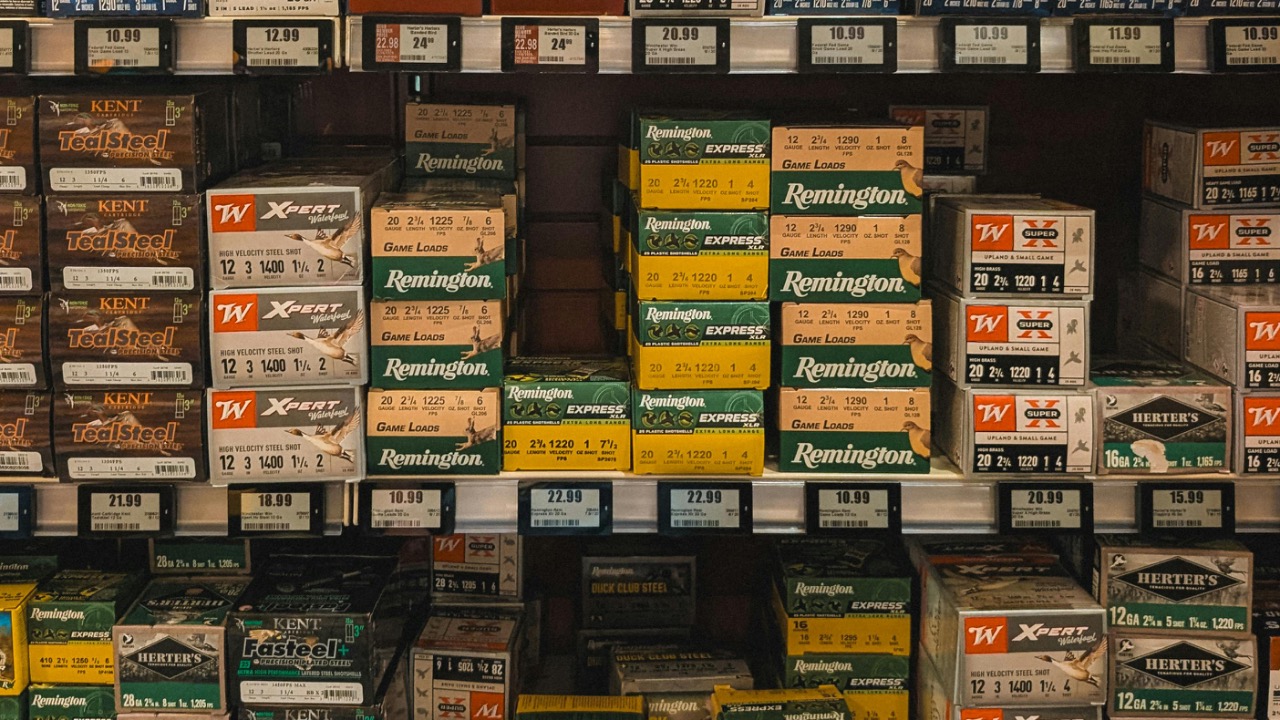
The unexpected reason ammo prices keep fluctuating
Ammunition buyers have watched prices spike, crash, then spike again, even when the rest of the economy looks calm. The pattern is not just about panic buying or seasonal sales. Behind the shelf tags, a mix of tariffs, raw material shocks, and geopolitical anxiety keeps the market on edge.
The most surprising driver is how quickly policy decisions and global events ripple through a supply chain that is rigid, capital intensive, and highly sensitive to expectations. Once that feedback loop kicks in, small changes in demand or costs can send ammo prices lurching far beyond what casual shooters expect.
From steady commodity to financial roller coaster

For decades, ammunition in the United States followed a familiar cycle around hunting seasons and training calendars. Prices rose modestly when demand peaked, then eased as inventories refilled. That pattern broke when large shocks exposed how little slack actually exists in the system.
Industry accounts now describe ammo prices as a roller coaster, with long stretches of relative calm interrupted by sharp climbs and drops. Recent years brought overlapping disruptions: supply chain bottlenecks, surges in new gun owners, and sudden policy moves that reshaped the cost of imported components. Retailers that once relied on predictable wholesale lists now face constant repricing and uncertain delivery schedules.
Even experienced shooters are struggling to budget. One New Jersey buyer on a gun forum calculated that current increases would cost him “$50+ more a month,” a reminder that for regular users, small per-round jumps add up to a significant hit over a year. When a hobbyist is forced to rethink a monthly spend of $50, a structural problem is at work rather than a short-term blip.
Tariffs that hit the cartridge before it hits the shelf
One of the most powerful forces behind recent volatility has been trade policy. Ammunition is a global product, built from metals and powders that move across borders before they ever reach a press. When Trump-era tariffs expanded to cover key inputs and finished cartridges, the cost of every step in that chain shifted.
Reporting on Trump tariffs describes how manufacturers that rely on imported components suddenly faced higher bills for brass, copper, and steel. These companies operate with heavy fixed investments in presses, tooling, and safety systems. They cannot quickly retool for different calibers or swap suppliers without new capital spending, and they cannot move factories on short notice to chase cheaper duties.
As a result, when tariffs rise, producers have only two realistic choices: absorb the hit and shrink margins, or raise prices and hope customers accept the change. Many split the difference. They nudged prices upward, trimmed promotional deals, and prioritized higher-margin lines. Soldiers and police officers who depend on steady training volumes, along with recreational shooters, felt the shift as fewer bargains and more frequent sticker shock.
Tariffs also interact with expectations. Importers that anticipate future increases often rush to bring in extra inventory before new rates take effect. That front-loaded buying can temporarily tighten supply, then leave warehouses full at a higher cost basis that locks in elevated prices for months. The policy decision becomes a long tail of volatility, not a one-time adjustment.
Raw materials and the hidden cost of metal
Even without tariffs, ammo is hostage to the basic economics of metal. Cartridges depend on copper and zinc for brass cases, lead for bullets, and specialized steel and aluminum in machinery. When those markets move, the effect on per-round cost can be immediate.
A worker in metal distribution on a New Jersey forum described copper and brass as “through the roof,” a phrase that captures how quickly industrial buyers can see their input costs change. Ammunition makers are not the only ones bidding for these materials. Electric vehicle manufacturers, construction firms, and electronics producers all compete for the same copper and other metals.
Unlike consumer goods that can quietly shrink in size, a 9 mm or .223 Remington round has fixed dimensions and performance requirements. A manufacturer cannot simply thin the brass or cut powder charges without affecting reliability and safety. The only practical lever is price. When copper spikes, the cost of each case rises, and that increase flows directly into the final box on the shelf.
These raw material swings are amplified by the long lead times in the industry. Contracts for metal are often negotiated months in advance. If a supplier locks in at a high point, the elevated cost can persist even after spot prices ease. That lag helps explain why consumers sometimes see ammo stay expensive long after headlines about commodity shortages fade.
Capacity limits and why factories cannot just “make more”
From the outside, it can seem puzzling that manufacturers do not simply add shifts or open new plants when demand spikes. Inside the industry, the bottlenecks are obvious. Ammunition production is capital intensive, tightly regulated, and dependent on specialized skills.
Once a line is set up for a specific caliber, switching to another is not as simple as changing a setting on a screen. Tooling, testing, and quality control must be recalibrated. The safety protocols that protect workers from high-energy processes add further constraints. A plant that is already running near capacity has limited room to expand without major new investment.
That rigidity means demand shocks translate quickly into shortages. When millions of new buyers enter the market or existing shooters stock up, available inventory disappears faster than factories can respond. The result is a classic supply squeeze, where the first effect is empty shelves and the second is higher prices once production catches up at a new cost level.
Analyses of long-term pricing patterns emphasize that ammo runs and shortages are “nothing new.” Industry veterans describe recurring cycles where a scare or policy rumor triggers a rush, capacity hits its ceiling, and prices jump. The lesson is that the system is structurally prone to overreaction because it cannot flex smoothly in either direction.
Panic buying, bulk habits, and the psychology of scarcity
On the consumer side, psychology magnifies every shock. Gun owners have learned through repeated shortages that waiting can mean going without. As a result, many now treat ammunition like a commodity to be stockpiled rather than a consumable bought as needed.
Online discussions about whether it is financially smart to buy in bulk often start with the word “Probably,” followed by stories of past runs when ammo vanished from shelves for months. Those experiences shape current behavior. When prices start to creep up or rumors of new restrictions spread, buyers rush to secure cases instead of boxes.
That behavior is rational at the individual level but destabilizing in aggregate. Each person trying to stay ahead of the next shortage contributes to the very scarcity they fear. Retailers respond by imposing per-customer limits or raising prices to slow the rush, which in turn signals to others that something is wrong and intensifies the scramble.
Bulk buying also changes the market’s baseline. When a significant share of customers routinely purchases thousands of rounds at a time, manufacturers and distributors must plan for larger order swings. A single promotion or news event can trigger a wave of pallet-sized purchases that drains inventory far faster than a steady stream of small sales would.
War, geopolitics, and the fear factor
Global conflict adds another layer of uncertainty. Even when specific weapons systems do not use common civilian calibers, the perception that war will strain supply chains pushes buyers to act preemptively.
On a forum for left-leaning gun owners, a user named Frostellicus joked that “F35s don’t shoot 9mm,” pointing out that high-end fighter jets and handgun cartridges do not directly compete. The exchange, captured in a thread about whether war would increase ammo prices, shows how people wrestle with the difference between actual supply constraints and the fear of them.
In practice, the link between conflict and civilian ammo pricing runs through shared inputs and industrial capacity. Governments ramping up procurement for soldiers and other security forces draw on some of the same powder plants, primer manufacturers, and metal suppliers that feed the commercial market. Even if calibers differ, the factories and raw materials often overlap.
Retail buyers do not wait for official confirmation that a war is affecting production. They react to headlines and rumors. As soon as the possibility of disruption appears, many assume higher prices are coming and buy ahead. That anticipatory demand can create a self-fulfilling spike, with shelves thinning out long before any actual military contracts divert supply.
Retailers, promotions, and the new normal of “on sale” pricing
Retailers sit at the choke point where wholesale volatility meets consumer expectations. They must navigate fluctuating costs while maintaining customer loyalty in a market where brand switching is common and online price comparisons are easy.
Some outlets now emphasize education and planning, reminding buyers that ammo prices have “fluctuated so much over the past few years” and encouraging them to stock up in calmer periods. A resource page from a major online seller explains how supply chain shortages remain fresh in everyone’s mind and argues that buying bulk when prices dip can “really pay off” once the next run arrives.
Manufacturers tied to the duty and competition world also play a role. A company that sells holsters and tactical gear uses its blog to explain why ammunition prices in the United States have been surging again, linking the trend to broader demand and cost pressures. That same brand promotes clearance events through a “last chance” section and tools like a holster finder, blending education about price swings with efforts to move inventory.
These strategies reflect a shift from viewing ammo as a stable commodity to treating it like a cyclical product where timing matters. Shoppers are nudged to think in terms of price windows and stock levels instead of assuming that a favorite load will always be on the shelf at a familiar price.
How tariffs and trade policy ripple through the industry
Beyond the initial shock, tariff policy reshapes long-term planning. Importers, retailers, and domestic manufacturers all adjust strategies when they expect future changes in duty rates or trade relationships.
Analysts who track the recent tariff increases on ammunition imports describe a chain of effects that runs from “immediate pricing adjustments” to “long-term market positioning.” Importers face higher landed costs and must decide whether to maintain volume at lower margins or cut back and focus on premium offerings. Retailers weigh whether to pass through the full increase or mix in loss leaders to keep traffic flowing.
Domestic producers sometimes gain a short-term advantage when foreign competitors are hit with new duties. However, they also rely on imported components and machinery. A tariff that raises the cost of foreign cartridges can at the same time increase the price of the brass strip or specialized steel they need for their own presses. Over time, the entire market can settle at a higher price floor, even if headline tariffs are later reduced.

Leo’s been tracking game and tuning gear since he could stand upright. He’s sharp, driven, and knows how to keep things running when conditions turn.