Guns people overvalue—and why they’re not worth it
You spend enough time around gun counters, pawn shops, and online listings, and you start to see a pattern. Certain guns get talked up like they’re rare gold, even when the real-world value doesn’t match the asking price. Some of it comes from nostalgia. Some of it comes from marketing that never really died off. And some of it comes from folks repeating what they’ve heard without ever putting rounds downrange.
If you’re buying to shoot, hunt, or even collect with some sense behind it, it pays to separate reputation from reality. Here are a few firearms people tend to overvalue—and why they don’t always earn the price tag.
Commemorative Edition Rifles That Sit Unfired
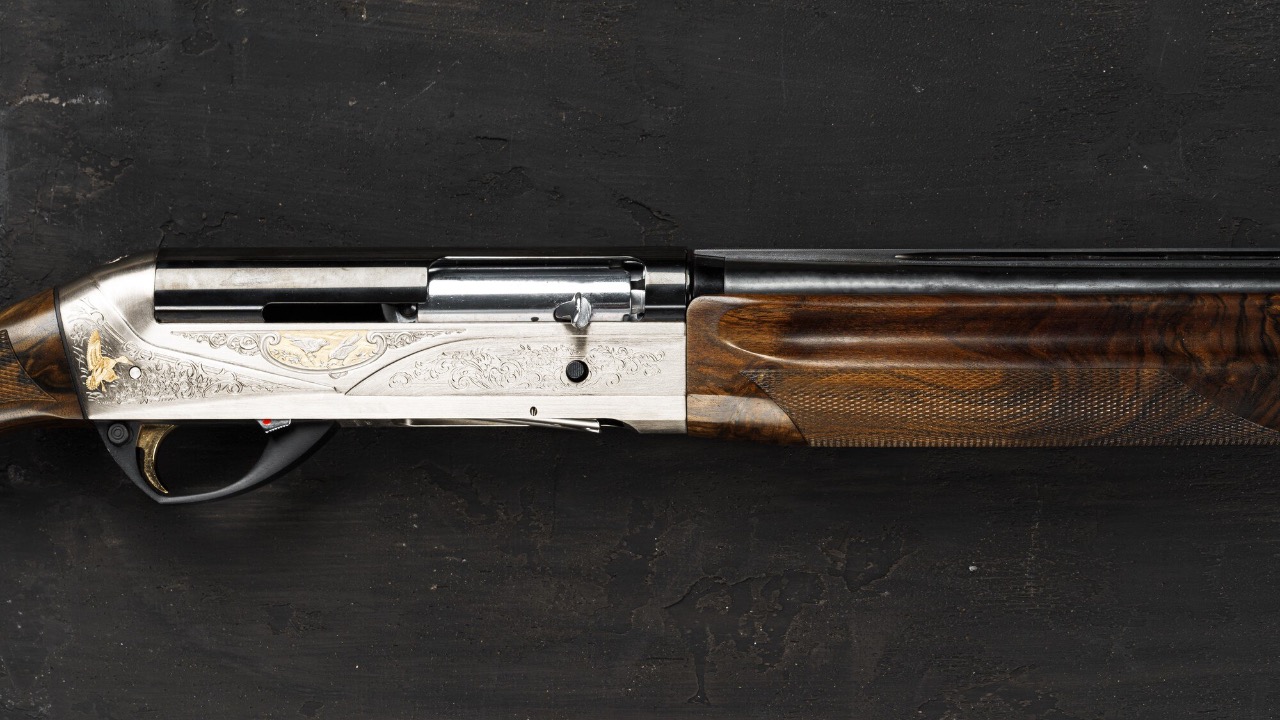
You’ve seen them—engraved receivers, gold inlays, fancy wood, and a box that looks better than the rifle ever will after a season in the field. Commemorative rifles get pitched as collector pieces, but most of them were made in large numbers.
The problem is they rarely appreciate the way people expect. Condition matters, but so does demand, and there’s only so much interest in factory-decorated guns tied to events that don’t carry long-term weight. You end up paying a premium for looks, not performance. If you’re after a rifle to shoot, you’re better off putting that money into a standard model with better glass and ammunition you can actually afford to run.
Older Lever Guns That Aren’t Actually Rare
Lever-actions carry a strong following, and for good reason. They handle well, they’re quick, and they’ve got history behind them. But not every older lever gun is a high-dollar piece, no matter how many times it’s described that way.
A lot of these rifles were produced in huge numbers, especially mid-20th century models. Wear, replacement parts, and refinishing all cut into value, even if the seller doesn’t mention it. You’ll see prices climb based on age alone, which isn’t how it works. Unless you’re dealing with a truly scarce variant in original condition, you’re often paying extra for a story that doesn’t hold up under a closer look.
Surplus Pistols With Inflated “Military” Appeal
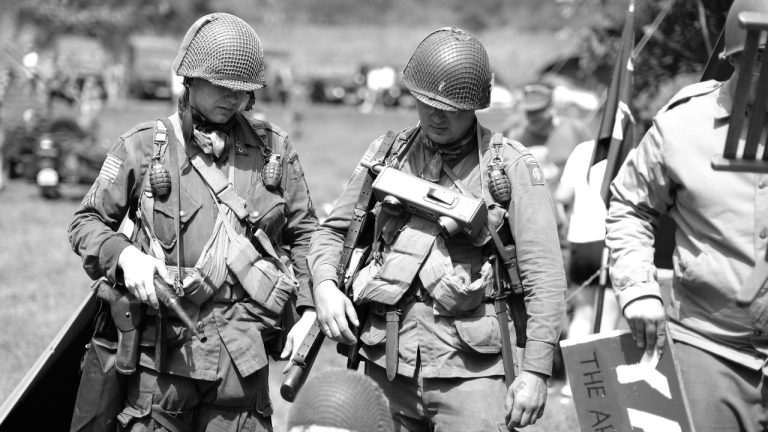
Military surplus handguns have a certain draw. There’s history in them, and that matters to a lot of people. But lately, you’ll see prices pushed up well beyond what the guns offer in function or rarity.
Many of these pistols were imported in bulk, and condition varies widely. Worn springs, rough bores, and inconsistent accuracy are common. Sellers lean hard on the military connection, even when the firearm itself isn’t particularly scarce. If you’re buying one, you’re often paying for the idea of history rather than a practical shooter. That’s fine if you know it going in—but it’s not the bargain some make it out to be.
Budget 1911s That Trade on Reputation
The 1911 platform has earned its place, no question. But that reputation gets stretched when it’s applied to lower-end versions that cut corners to hit a price point.
You’ll find models that look the part but struggle with reliability, especially when tolerances aren’t held tight. Buyers assume they’re getting the same performance associated with higher-end builds, and that’s not always the case. Then they end up spending more on fixes than the gun cost in the first place. If you want a 1911, it pays to either spend enough to get a well-made one or accept that a cheaper option may need work before it runs the way you expect.
Magnum Revolvers Bought for Power, Not Use
Big magnum revolvers carry a certain appeal. There’s power there, and it’s easy to get caught up in that. The issue is how often that power actually gets used.
Heavy recoil, expensive ammunition, and limited practical application mean a lot of these guns spend most of their time in a safe. You’ll see them priced high based on capability, but capability doesn’t equal usefulness for most shooters. If you’re not hunting large game or working in a role that calls for that kind of performance, you’re paying for something you won’t take advantage of. That gap between potential and reality is where the overvaluation shows up.
Shotguns Marketed as “Do-It-All” Solutions
There’s no shortage of shotguns advertised as handling everything—home defense, waterfowl, upland birds, even turkey season. On paper, that sounds like a solid deal.
In practice, compromises start to show. Barrel length, choke options, weight, and handling all matter depending on what you’re doing. A shotgun set up to cover every role usually doesn’t excel in any of them. Yet you’ll still see prices pushed higher based on that versatility claim. You’re better off matching the gun to your primary use rather than buying into the idea that one setup can cover it all without trade-offs.
Polymer Pistols With Brand-Driven Price Tags
Modern polymer pistols are everywhere, and many of them work well. The issue comes when brand recognition pushes prices beyond what the gun actually offers.
You’ll see near-identical designs with similar reliability and features, but one costs significantly more because of the name stamped on the slide. For some buyers, that name carries weight. For others, it’s money that could go toward ammunition, training, or upgrades. When performance is close across the board, paying extra for branding alone doesn’t always make sense. It’s worth handling a few options side by side before assuming the higher price means a better gun.
If you’ve been around firearms long enough, you learn that value isn’t tied to what people say—it’s tied to what the gun actually does for you. Strip away the stories, the nostalgia, and the marketing, and you’ll make better calls with your money every time.

Asher was raised in the woods and on the water, and it shows. He’s logged more hours behind a rifle and under a heavy pack than most men twice his age.