Mexico responds after citizen dies in U.S. custody
Mexico is intensifying diplomatic pressure on the United States after another citizen died while in immigration custody, turning a long‑simmering concern into a test of how both governments handle migrant safety. The latest death has prompted public outrage in Mexico and a pledge from its leadership to back families in court and escalate complaints through every available channel.
Officials in Mexico City cast the response as part of a broader effort to stop what they describe as preventable tragedies involving their nationals held in U.S. facilities. They argue that each new case strengthens the demand for structural changes in how immigration authorities treat detainees, especially those with known medical conditions.
What happened in U.S. custody
The most recent case centers on a Mexican migrant identified in multiple reports as Ramos or Ramos‑Solano, who died after being held by U.S. Immigration and Customs Enforcement, or ICE. According to an official account, a medical screening after his arrest in February found that Ramos‑Solano had diabetes, high cholesterol and blood pressure problems, yet he remained in detention until his death, which has now sparked formal complaints from Mexico over the handling of his care in custody Ramos Solano.
Another detailed account states that on arrival at the Adelanto detention facility, Ramos received what officials described as a complete health and physical evaluation during his intake screening on Feb. 24, a process now under scrutiny as Mexican authorities ask whether that evaluation translated into adequate treatment and monitoring inside the center Adelanto Ramos Feb.
U.S. immigration officials have said that Ramos‑Solano was in the country without legal status and that he received medical attention in custody, but they have not publicly addressed the specific concerns raised by Mexican diplomats about whether his underlying conditions were managed to an acceptable standard. The gap between the official description of care and the outcome has become a key point of contention in the cross‑border debate.
Mexico’s diplomatic and legal response
Mexico’s government has reacted by demanding a full accounting of Ramos‑Solano’s final days and by signaling that its strategy will go beyond private diplomatic notes. One report describes how Mexico has announced support for a lawsuit against ICE after deaths of its citizens in custody and notes that the case drew attention only 40 m after details emerged, underscoring how quickly the incident resonated across the border and how central Mexico’s role has become in pressing for answers on what happened to a citizen who was in the U.S. illegally Mexico demands answers.
Officials have paired those demands with practical support for grieving relatives. Mexican authorities say they are connecting the families of the deceased to legal counsel and that lawsuits have already been filed in connection with at least two previous deaths of nationals in immigration custody, part of a broader push to hold U.S. agencies accountable through the courts as well as through diplomatic channels families to legal.
Mexico has also moved to formalize its protests within the U.S. system. Its consulate in Miami recently activated a consular protection protocol, visited a detention facility and formally requested information after another citizen died under ICE control, a pattern that signals a more systematic approach to documenting conditions and challenging practices inside immigration centers consulate in Miami.
President Claudia Sheinbaum’s escalating stance
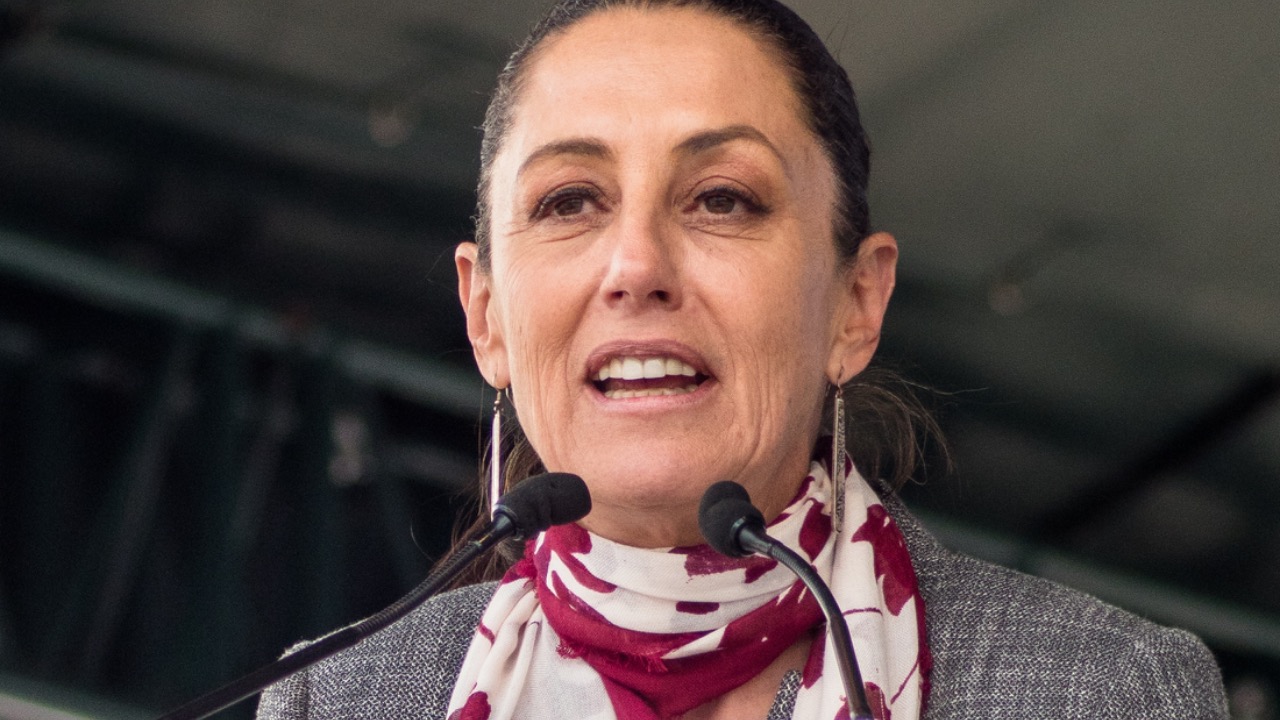
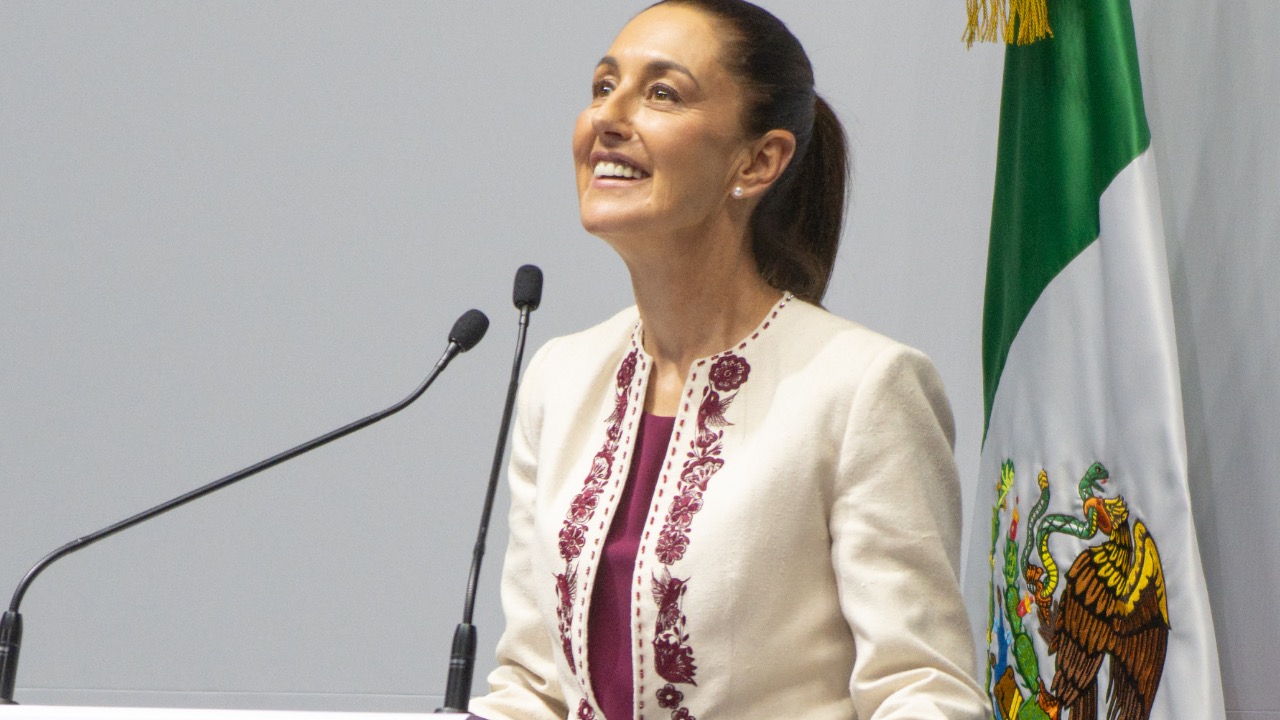
The response is being driven from the top by President Claudia Sheinbaum, who has made the deaths of Mexican nationals in U.S. custody a priority in her public statements. Sheinbaum, whose political profile has risen sharply in recent years, has framed the issue as a matter of national dignity and basic human rights for migrants who often leave Mexico in search of work or safety abroad Claudia Sheinbaum.
In public remarks, President Claudia Sheinbaum has said her administration will escalate complaints after each new death, including Ramos‑Solano’s, and has warned that Mexico will not accept a pattern where citizens die in custody without clear explanations. She has described new measures as “protest actions” and has tied them directly to the expectation that U.S. authorities provide transparent investigations and concrete changes in detention practices protest actions.
Her position is rooted in a broader record of concern about immigration enforcement. Earlier this year, Sheinbaum condemned the death of another Mexican national, identified as Domínguez, who was in ICE custody for six days after being arrested for driving without a license and died while awaiting a hearing, a case she cited as evidence that basic safeguards are failing inside detention centers Dom ICE custody.
A growing tally of Mexican deaths in detention
Ramos‑Solano’s death is not an isolated incident. Mexican officials say that 13 citizens have died in immigration custody in recent years, a tally that has pushed the government to rethink how aggressively it confronts U.S. agencies and how it supports relatives who are suddenly drawn into complex legal systems far from home deaths of 13.
Among those cases is a 48-year-old Mexican man who died in ICE custody in March, an event that prompted Sheinbaum to say such deaths “cannot be happening” and to call for structural changes in how detainees are monitored, especially those with health problems that could worsen rapidly in confinement 48-year-old Mexican ICE.
The pattern has also exposed gaps in information sharing between U.S. authorities and Mexican consulates. In several cases, Mexican officials say they learned of deaths only after delays or with incomplete medical records, which complicates both family notifications and any subsequent legal action. The push for earlier and more detailed alerts has therefore become part of Mexico’s diplomatic agenda.
Inside the detention system and its critics
Scrutiny of facilities like Adelanto is not new. Advocates have long raised concerns about medical care, mental health support and the use of solitary confinement in immigration detention. In Ramos‑Solano’s case, the official claim that he received a complete intake evaluation has not reassured critics who argue that screening is only meaningful if it leads to sustained treatment and rapid responses to warning signs of deterioration health and physical.
Mexico’s government has aligned itself more openly with those concerns. Officials have referenced independent research and internal reviews that question whether contracted medical providers inside detention centers are equipped to handle chronic conditions like diabetes or cardiovascular disease at the scale required by the population they serve. The death of Ramos‑Solano, who entered custody with known health risks, has become a focal example in that debate.
At the same time, U.S. immigration authorities insist that they follow strict protocols and that deaths in custody are rare relative to the number of people processed each year. They point to internal investigations and referrals to external oversight bodies, though critics in Mexico and the United States argue that those mechanisms rarely lead to accountability that families can see.
Binational pressure and what comes next
Mexico’s response is unfolding against a backdrop of intense public attention to migration on both sides of the border. In the United States, immigration enforcement is a central political issue, while in Mexico, images of citizens dying far from home feed a narrative that the country must do more to protect its people abroad. That tension is shaping how leaders like Sheinbaum approach talks with Washington and how they speak to domestic audiences about the costs of migration MEXICO CITY politics.
Mexico has already signaled that it will escalate complaints through formal diplomatic notes, public statements and support for civil litigation. Officials say they will continue to connect families of the deceased to legal counsel and to track each case closely, using both consular visits and information requests to build a clearer picture of what happens inside detention centers once a citizen is taken into custody plans to escalate.

Asher was raised in the woods and on the water, and it shows. He’s logged more hours behind a rifle and under a heavy pack than most men twice his age.