

New fuel policy changes could impact gas blends this year
Drivers heading into the warm months could find a different mix flowing from the pump. A series of federal moves on ethanol content and fuel volatility is reshaping what gasoline blends are allowed in different regions, with the explicit aim of easing prices and stretching supply. Those adjustments also reopen long-running debates over air quality, refinery costs, and how far federal policy should go in steering the fuel mix away from traditional petroleum.
What the new ethanol waivers actually do
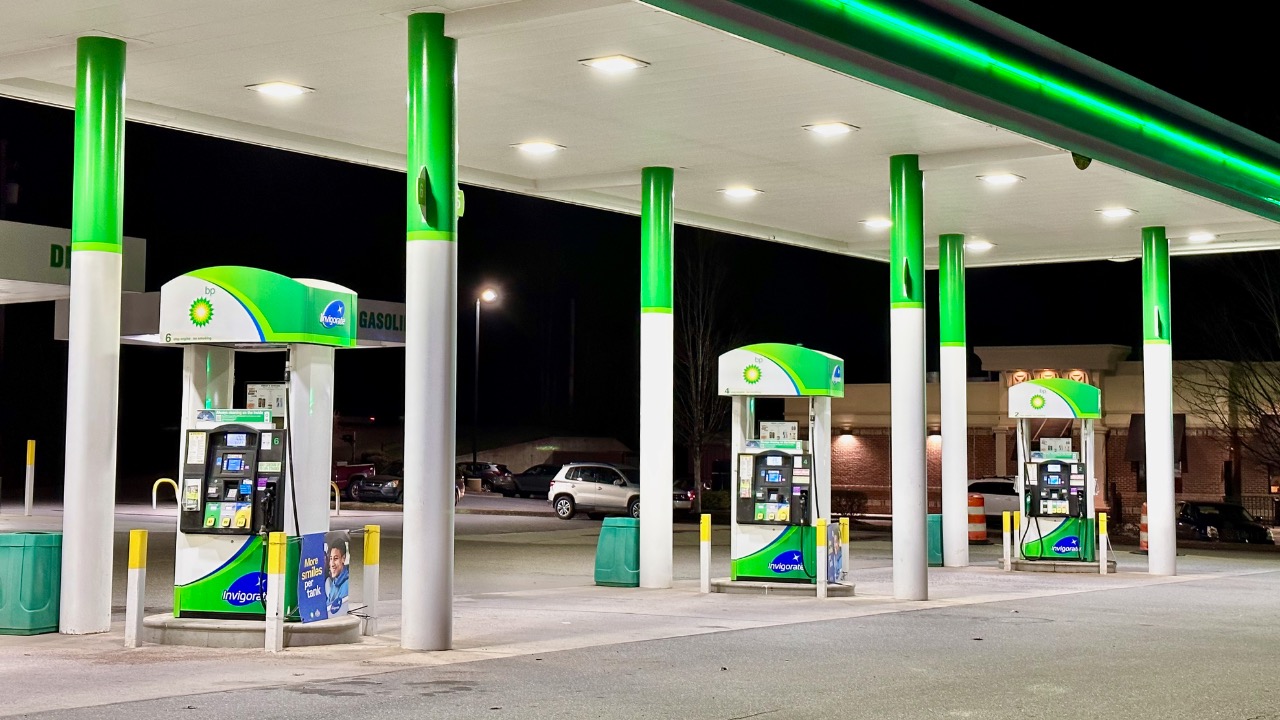
The EPA has announced that it will temporarily allow higher ethanol blends in gasoline during the upcoming warm season to expand supply and put downward pressure on prices. In a video statement, the EPA described the move as an approval to temporarily sell higher ethanol blends, framed as a way to lower costs while boosting fuel supply at a time of tight markets.
The centerpiece is E15, a mix that contains 15 percent ethanol and 85 percent gasoline. The waiver applies to this higher blend, which has historically been restricted during summer because of concerns that it could worsen smog in hot weather. Coverage of the decision notes that E15 is defined as a blend of 15 percent ethanol and 85 percent gasoline, and that the waiver period initially runs from May 1 through May 20, with the EPA prepared to extend it if market conditions warrant.
In parallel, the EPA has issued emergency waivers that allow summer E15 sales across much of the country and has signaled that it will remove federal impediments to selling E10 everywhere. According to one summary, The EPA intends these waivers to take effect for most states on May 1, within the maximum period allowed under the Clean Air Act. Together, the steps point to a summer in which more drivers will encounter higher ethanol blends than in past years.
How this fits into longer term Renewable Fuel Standard policy
The short-term waivers sit on top of a broader fight over the Renewable Fuel Standard, or RFS, which governs how much renewable fuel must be blended into the nation’s gasoline and diesel supply. In a recent package of rules, The Trump EPA finalized new renewable fuel standards and removed “renewable electricity” from the RFS program. That decision effectively pulled incentives away from electricity used in vehicles and aligned the program more tightly with liquid biofuels.
The agency portrayed the rule as a way to strengthen American energy by leaning more heavily on domestic biofuel production. In its broader explanation of the RFS framework, the EPA described how volume requirements and credit markets are intended to support renewable fuels while still giving refiners some compliance flexibility. The removal of renewable electricity, however, signaled a policy tilt away from using the RFS to encourage electric vehicle adoption and toward traditional ethanol and other liquid renewables.
That context matters for drivers because it helps explain why higher ethanol blends, rather than non-liquid alternatives, are at the center of current price relief efforts. The RFS rules and the summer waivers are part of the same policy arc that favors ethanol as the primary tool for cutting oil demand in the near term.
Regional shifts: Midwest states and year round E15
Separate from the nationwide summer waivers, a group of Midwest states has already secured a permanent change that will affect fuel blends well beyond this year. In 2024, eight Midwest states received approval to sell E15 year round, and that change went into effect on April 28, 2025. Analysts have highlighted how this Midwest shift alters refining rules, including limits on gasoline volatility that affect how much butane and ethanol can be blended.
Congressional research explains that the EPA, under the Biden Administration, issued a final rule approving a permanent waiver for those eight states, with the rule effective in late April 2025. The analysis notes that the EPA under the responded to state petitions to allow year round E15, effectively creating a regional market where the higher blend is standard rather than seasonal.
Earlier, a final rule issued in Feb allowed Midwest states to sell a higher blend of ethanol gasoline year round beginning in 2025, cementing the region’s role as the lead adopter of E15. That decision, described in detail in a Midwest focused rule, means refiners and retailers in those states are already adjusting infrastructure and supply contracts to treat E15 as a baseline option.
Refinery logistics and volatility rules
Behind the pump, some of the most immediate impacts of the new policy will be felt at refineries and fuel terminals. The EPA’s decision to delay rescinding certain gasoline volatility waivers until 2025 has given the industry more time to adapt, but it also signals that tighter volatility limits are coming. Legal analysis of that delay notes that Refineries serving both petitioning and non petitioning states will likely need additional storage systems for the new lower volatility gasoline.
That requirement is not trivial. Separate storage and blending systems raise capital costs and can complicate logistics, especially for smaller facilities that lack spare tank space. The Clean Air Act provisions that govern fuel volatility, detailed in federal law, set the legal backdrop for these shifts. A review of the relevant statutory chapter shows how Congress tied summertime volatility limits to ozone concerns, which is why E15 historically faced seasonal restrictions in the first place.
At the same time, data from the Alternative Fuels Data Center, discovered through the EPA Delays Rescinding Gasoline Volatility Waivers Until analysis, tracks ethanol blend availability and helps illustrate how infrastructure is gradually catching up. The Discovered dataset shows growth in stations offering higher ethanol blends, which can ease the logistical burden by concentrating E15 sales in areas with adequate storage and blending capacity.
What drivers could see at the pump
For motorists, the most tangible effect of these policy changes will be price differences between standard E10 and higher ethanol blends. Industry data show that E15 has often been cheaper than conventional gasoline. In Minnesota, E15 prices were $0.18/gallon less expensive than regular unleaded gasoline (E10) at the pump, on average, according to an analysis that highlighted how In Minnesota the $0.18 gap helped drive record E15 sales in 2024.
Policymakers in other states are watching those savings closely. One legal briefing on proposed E15 legislation projected that the measure is expected to reduce fuel costs by up to $0.20 cents per gallon and save Californians as much as $2.7 billion annually. Those figures, cited in a California focused analysis, show why state leaders see higher ethanol blends as a potential tool for broad consumer savings.
The federal summer waivers are explicitly framed as a way to capture some of those benefits nationwide. The EPA has said that temporarily allowing higher ethanol blends is intended to lower costs while boosting fuel supply, a point reinforced in its description of the. A separate summary of the decision notes that the change will open the door to ethanol gas blends nationwide, with the new terms set to take effect May 1 and run through May 20, which is the maximum period allowed under the Clean Air Act, as described in a briefing on summer.
Environmental and health questions
The price benefits, however, come with unresolved questions about environmental performance. Environmental advocates and researchers have raised doubts about whether higher ethanol blends actually deliver the emission reductions that the RFS requires. A detailed report on the latest waivers notes that Environmental advocates question the purported emission-lowering benefits that are supposed to flow from the RFS, particularly when land use changes and full life cycle impacts are considered.

Asher was raised in the woods and on the water, and it shows. He’s logged more hours behind a rifle and under a heavy pack than most men twice his age.


