What seasoned hunters notice that beginners miss every time
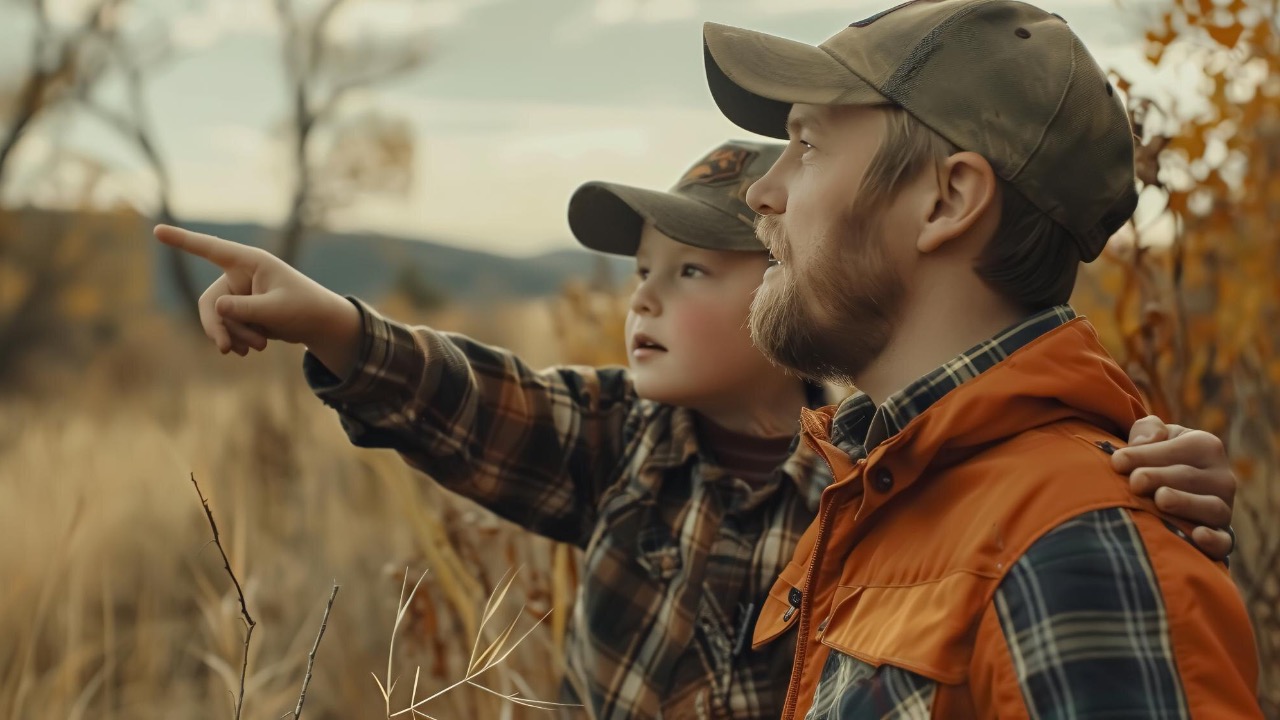
You can spot a new hunter before they ever say a word. It’s not about gear or camo—it’s how they move, where they look, and what they overlook. Experience doesn’t make you luckier, it makes you aware. The woods start to read differently after a few seasons, and the details that once blended in begin to stand out.
Seasoned hunters aren’t guessing. They’re stacking small observations that add up over time. If you’ve ever wondered why some folks seem to find animals where others don’t, it usually comes down to what they’re noticing—and what you’re walking right past.
Subtle Wind Shifts That Change Everything
You already know wind matters, but experienced hunters treat it like a living thing. It doesn’t hold steady, especially in broken terrain or timber. It swirls, drops, and slides along contours.
A beginner checks wind once and feels confident. A seasoned hunter keeps checking it without thinking. He notices when it hits the back of his neck instead of his cheek. He feels thermals shift as the sun comes up or drops. Those small changes decide whether you stay put or back out. Ignore them, and you’re educating every animal around you.
How Fresh Sign Actually Looks and Feels
Tracks and droppings all look good when you’re starting out. The problem is, not all sign is current. Experienced hunters can tell the difference without much effort.
You start noticing moisture in a track, the sharpness of an edge, or how debris has settled into it. Droppings tell a story too—color, texture, and dryness all matter. Same goes for rubs and scrapes. Old sign will fool you into hunting where animals were, not where they are. Fresh sign keeps you in the game.
The Quiet Routes Animals Prefer
Most beginners walk the same paths animals avoid. Open trails, easy ridges, and clean ground feel right under your boots—but they’re not always where animals feel safe.
Seasoned hunters pay attention to the edges. Thick cover, side hills, and terrain that breaks up sight lines are where animals move when they don’t want to be seen. You start to see faint trails in the brush, not the obvious ones. That’s where you want to be watching, not the places that are easy to walk.
Small Sounds That Don’t Belong
The woods are never silent, but they have a rhythm. When something changes, experienced hunters pick up on it fast.
A single snapped twig, a squirrel going quiet, or birds lifting off without a clear reason can all mean something’s moving. Beginners tend to wait for loud, obvious noise. By the time that happens, it’s often too late. The subtle stuff comes first. If you catch it, you’re ahead of the moment instead of reacting to it.
How Pressure Changes Animal Behavior
Animals don’t act the same on opening day as they do a week later. Hunting pressure shifts patterns fast, and seasoned hunters expect that.
You’ll notice movement times change, travel routes tighten up, and animals start using thicker cover. Beginners often stick to a plan that worked once. Experienced hunters adjust as soon as they see pressure building—more trucks, more scent, more noise. If you don’t adapt, you’re hunting yesterday’s pattern.
Entry and Exit Matter More Than the Stand
Getting to your spot feels like a small detail, but it can make or break the hunt. Experienced hunters think about it long before they ever sit down.
You start paying attention to how your scent drifts as you walk in, what you bump on the way, and how much noise you’re making. Same goes for leaving. Blow animals out in the dark a few times, and you’ll understand how quickly a good area goes cold. The hunt doesn’t start when you sit—it starts the moment you step off the road.
Body Language Tells You What Happens Next
Seeing an animal is one thing. Knowing what it’s about to do is another. That comes from watching closely, not rushing the moment.
You’ll pick up on ear position, head movement, and how an animal carries itself. A relaxed deer feeds differently than one that’s uneasy. If it’s on edge, you need to be ready or hold off. Beginners often focus only on the shot. Experienced hunters read the animal first, then decide when—or if—to act.
When to Sit Tight and When to Move
Patience is a skill, but so is knowing when to leave. Staying too long in a dead spot wastes time. Leaving too early can cost you an opportunity.
Experienced hunters weigh what they’re seeing. No fresh sign, no movement, wrong wind—they’ll pull out and try something else. But if the conditions line up, they’ll sit longer than most people are comfortable with. It’s not random. It’s based on what the woods are telling them in that moment.
The Value of Overlooked Spots
Everyone wants the obvious good spot—the ridge with sign, the field edge, the water source. Those places get attention, and with attention comes pressure.
Seasoned hunters keep an eye on the spots that don’t look perfect. Small pockets of cover, awkward terrain, or areas close to access points that others skip. Animals learn where people go and where they don’t. Sometimes the best place you can be is the one that doesn’t look like much at first glance.
The difference isn’t talent. It’s awareness built over time. You start catching things you used to miss, and once you see them, you can’t unsee them. That’s when hunting starts to feel less like guessing and more like understanding what’s actually happening around you.

Asher was raised in the woods and on the water, and it shows. He’s logged more hours behind a rifle and under a heavy pack than most men twice his age.