The reason some gear fails in cold weather
Cold weather has a way of exposing weak links. Gear that works fine in October can quit on you when the temperature drops, and it usually happens at the worst possible time. You’re not dealing with bad luck—you’re dealing with physics, materials, and design limits catching up.
If you’ve spent enough mornings in single digits, you’ve seen it. Zippers lock up, batteries die, plastics crack, and metal parts stop moving like they should. Most of it comes down to how different materials react when the cold sets in. Here’s where things start to fall apart and why it keeps happening.
Batteries Lose Power Faster Than You Expect
You’ve probably noticed electronics dying early in the cold. That’s because batteries rely on chemical reactions, and low temperatures slow those reactions down.
When it gets cold enough, the battery can’t deliver power at the same rate. Voltage drops, devices shut off, and what looked like a full charge suddenly isn’t. Lithium batteries handle cold better than alkaline, but they still lose performance. Keeping them close to your body buys you time, but once they’re exposed long enough, output drops whether you like it or not.
Lubricants Thicken and Slow Everything Down
That smooth action you rely on doesn’t stay smooth when temperatures fall. Oils and greases thicken in the cold, which increases resistance in moving parts.
You see it in firearms, reels, and anything with tight tolerances. Actions feel sluggish, triggers stiffen, and parts don’t cycle the way they should. In extreme cold, the wrong lubricant can gum things up entirely. Lighter oils or dry lubricants tend to perform better, but even then, you’re working against physics.
Plastics Become Brittle and Prone to Cracking
Plastic works well in moderate temperatures, but cold changes its behavior. It loses flexibility and becomes brittle.
That’s when you start seeing cracks in housings, clips snapping, and gear breaking under stress that wouldn’t matter in warmer weather. It’s not always about abuse—it can happen during normal use. A small impact, a bend, or even tightening something too much can cause failure when the material stiffens up.
Metal Contracts and Changes Tolerances
Metal doesn’t seem like it would be affected much, but it is. As temperatures drop, metal contracts.
That contraction can tighten tolerances in ways you don’t expect. Parts that normally move freely can bind up. Threads feel different, and precision components don’t behave the same way they did at higher temperatures. In most cases, it’s subtle, but when everything stacks up—cold metal, thick lubricant, tight tolerances—you start seeing real performance issues.
Moisture Turns Into Ice at the Worst Time
Cold alone isn’t always the problem. It’s moisture paired with cold that causes real trouble.
Condensation builds when gear moves between warm and cold environments. Once that moisture freezes, it locks things up. Zippers freeze, optics fog and ice over, and moving parts seize. Snow melting into seams or mechanisms only makes it worse. Keeping gear dry matters, but once water gets in, freezing temperatures can shut things down fast.
Rubber and Seals Stiffen and Stop Working Properly
Rubber components—gaskets, seals, grips—lose flexibility in cold weather. That changes how they perform.
Seals can fail to seat properly, letting in moisture or air. O-rings don’t compress the same way, which can lead to leaks. Grips get hard and lose traction, especially with gloves on. It’s a small detail until it isn’t. Once those parts stop doing their job, you’re dealing with bigger problems that trace back to a material that can’t handle the cold.
Fuel and Combustion Systems Struggle in Low Temperatures
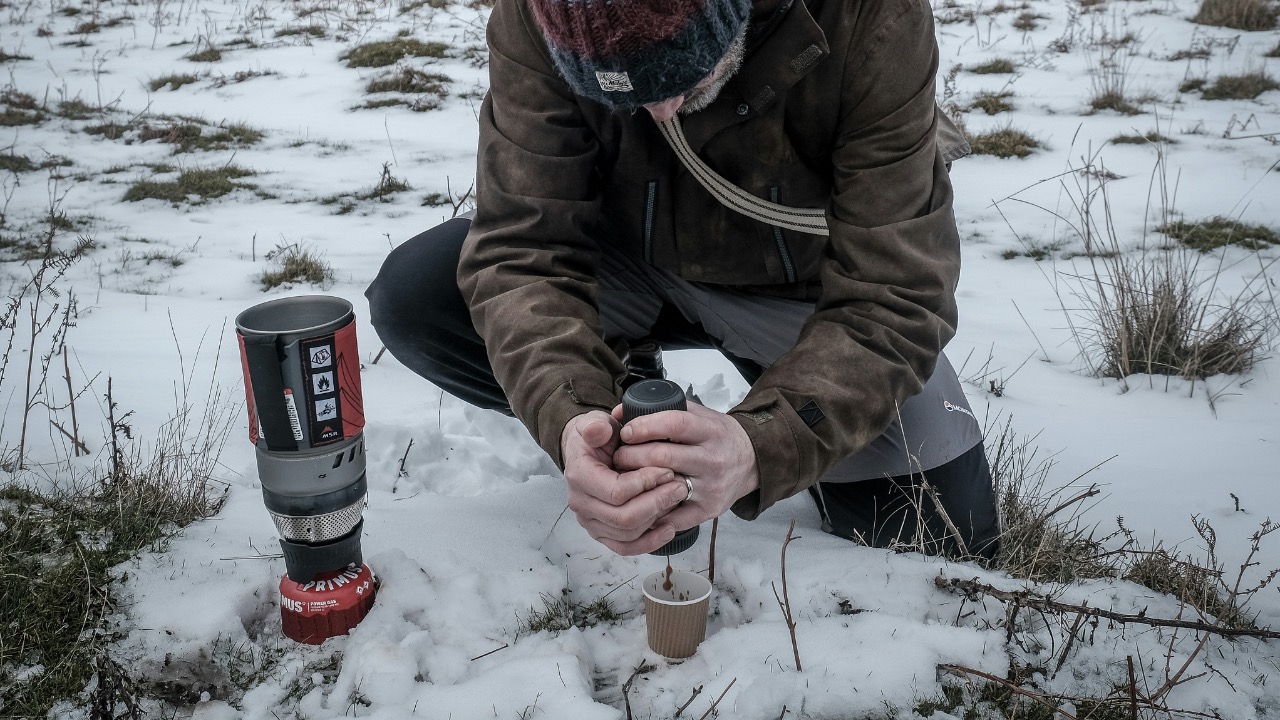
If you’ve ever tried to run a stove or small engine in the cold, you’ve seen this firsthand. Fuel doesn’t vaporize as easily when temperatures drop.
That leads to weak ignition, poor combustion, or failure to start at all. Propane struggles in deep cold, while liquid fuels can perform better but still need proper handling. Even then, cold affects pressure and flow. Without enough vapor or pressure, the system won’t run the way it should.
Your Own Handling Changes More Than You Think
Cold doesn’t only affect gear—it affects you. Reduced dexterity, thicker gloves, and numb fingers change how you handle equipment.
That leads to more force than needed, missed alignments, and small mistakes that can break or damage gear. A stiff zipper gets yanked harder. A frozen latch gets forced. In normal conditions, it wouldn’t matter, but in the cold, those extra stresses add up. Sometimes gear fails because your margin for error shrinks when your hands stop cooperating.
Cold weather doesn’t ruin gear by accident. It exposes what materials can and can’t handle once temperatures drop. If you understand where things tend to fail, you can adjust—carry backups, choose better materials, and treat your equipment with a little more awareness when the temperature starts falling.

Asher was raised in the woods and on the water, and it shows. He’s logged more hours behind a rifle and under a heavy pack than most men twice his age.