What experienced shooters do differently at the range
You can spot an experienced shooter before they ever touch the trigger. It’s not the gear or the caliber—it’s how they move, how they set up, and how little they waste. Range time isn’t casual for them. Every round has a purpose, and every habit is built around control.
If you’ve spent time around guys who shoot well under pressure, you start to notice the patterns. They’re not rushing, not guessing, and not burning ammo to feel productive. They’re working a process. If you want to tighten your groups and make your time count, these are the things worth paying attention to.
They Show Up With a Plan, Not a Box of Ammo
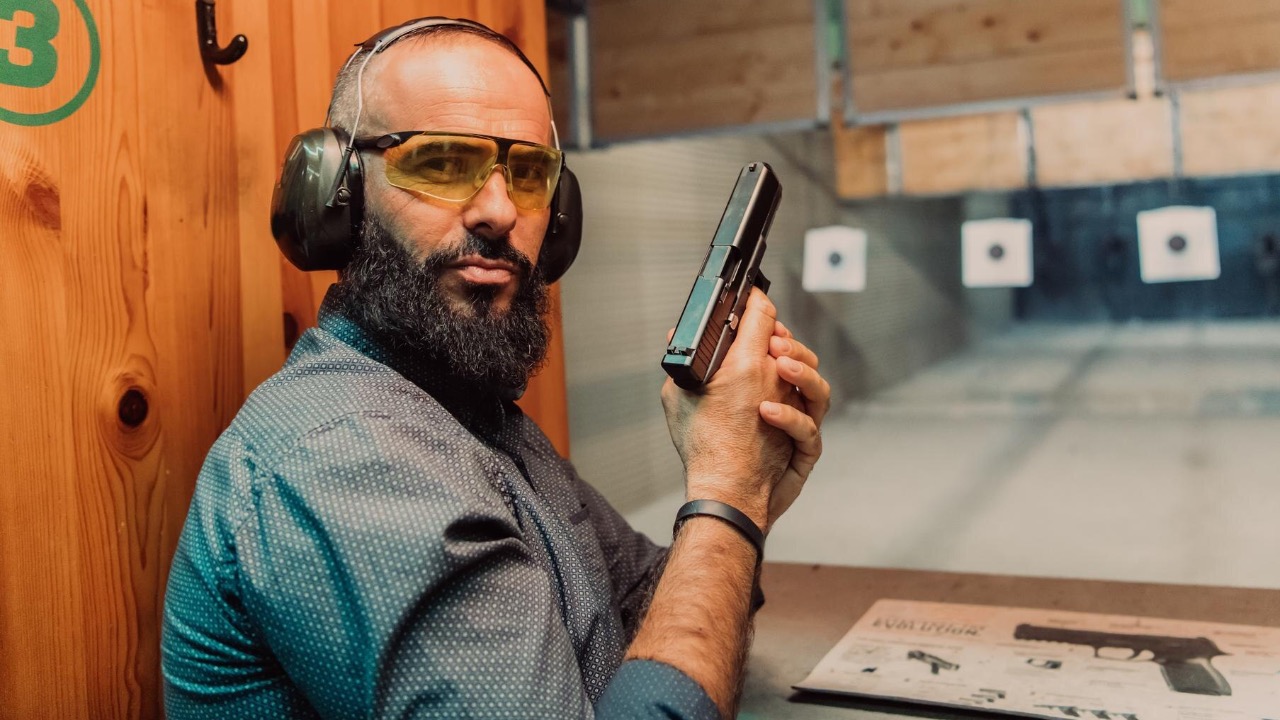
You’ll notice right away—they’re not wandering into the lane figuring it out as they go. They’ve already decided what they’re working on before they unzip the case.
That might be recoil control, trigger press, or confirming zero at a specific distance. The plan keeps them focused and keeps rounds from getting wasted. Instead of dumping magazines, they’re tracking what each string is meant to accomplish. You can see it in how they pause, reset, and evaluate before sending the next round.
They Spend More Time Watching Than Shooting
An experienced shooter doesn’t rush the trigger. They’ll stand there, settle in, and watch their sights longer than you expect.
They’re paying attention to alignment, breathing, and how the gun sits before the shot breaks. After the shot, they stay on the sights and call where it went. That follow-through tells them more than the hole in the paper. You’re seeing control, not impatience, and that’s where consistency starts to show up.
They Treat the First Shot Like It Matters Most
Cold shots get respect. You’ll see experienced shooters take their time on that first round, because it tells the truth about where they’re at.
There’s no warm-up excuse. They build their position carefully, press the trigger clean, and watch the result. That one round gives them a baseline before anything else starts to influence the group. If you hunt or shoot outside the range, that first shot is the one that counts, and they train like it.
They Manage Recoil Instead of Fighting It
Watch their stance and grip. Nothing looks forced, but everything is working together. They’re not bracing hard or overcorrecting—they’re controlling the gun.
Recoil comes straight back, and the sights settle quickly. That doesn’t happen by accident. It’s grip pressure, body position, and a steady upper body that lets the gun cycle without throwing everything off. You’ll notice they’re ready for the next shot almost immediately, not recovering from the last one.
They Focus on Trigger Control Above Everything Else
You can hand them a different rifle or pistol, and their groups won’t fall apart. That’s because they’ve built everything around the trigger.
They press straight through without jerking or staging it in a way that disrupts the sights. It’s consistent every time. You’ll see slower, deliberate shots when they’re working on it, because they know that’s where most misses come from. It’s not flashy, but it’s the difference between guessing and knowing where the round will land.
They Don’t Chase Holes on the Target
Less experienced shooters tend to react to every shot. They adjust after each round, trying to fix things mid-string.
Experienced shooters don’t do that. They fire a controlled group, then step back and read it as a whole. That tells them more than any single hole ever will. Adjustments come after they’ve got enough information, not before. It keeps them from overcorrecting and losing track of what the rifle or pistol is actually doing.
They Keep Their Setup Consistent Every Time
Watch how they build their position. Whether it’s a bench, prone, or standing, they set up the same way every time.
Same shoulder pressure, same cheek weld, same grip. That consistency removes variables. When something changes on the target, they know it wasn’t their setup. It’s one of the fastest ways to diagnose issues, because they’ve already locked down everything they can control before the shot breaks.
They Take Breaks Before Fatigue Shows Up
They don’t shoot until they’re tired. They stop before that point, pack up, and leave rounds unfired if needed.
Fatigue changes everything—grip, focus, trigger control. Once it creeps in, you’re practicing mistakes. Experienced shooters recognize that early and step away. It’s not about how many rounds you fired. It’s about how many of them were done right.
They Track What They’re Doing Over Time
There’s usually a notebook, a phone app, or at least a mental record of what they’ve been working on.
They remember what loads they used, how the gun performed, and what needs attention next time. That running record builds progress instead of repeating the same session over and over. You’re not starting from scratch every time you show up—you’re building on the last outing.
They Leave the Range With a Clear Takeaway
When they’re done, they know what improved and what didn’t. There’s no guessing when they pack up.
Maybe the group tightened at distance, or maybe trigger work still needs attention. Either way, they walk away with something concrete to carry into the next session. That’s what keeps them moving forward while others stay stuck, burning ammo without getting better.

Asher was raised in the woods and on the water, and it shows. He’s logged more hours behind a rifle and under a heavy pack than most men twice his age.