Why certain rifles hold their value long after newer models fade
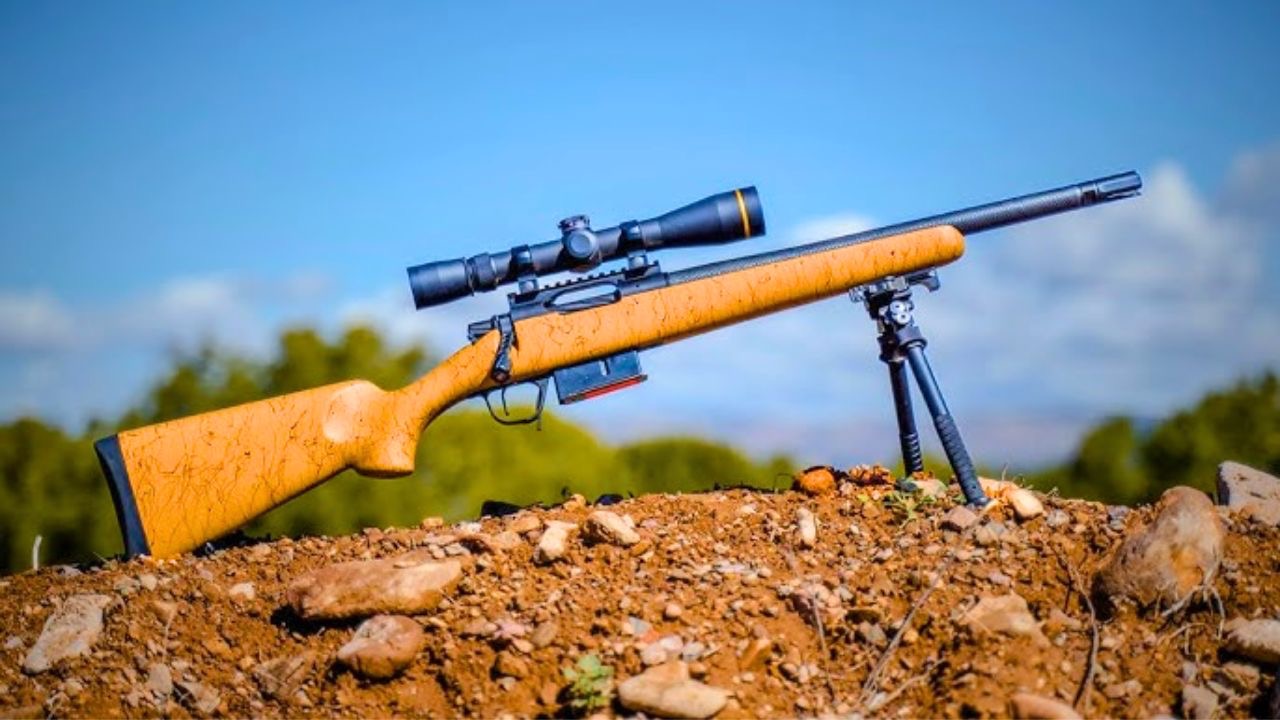
Some rifles keep attracting buyers long after newer designs arrive, quietly turning into blue-chip assets while flashier models slide into the bargain rack. I see that pattern repeat every time a classic bolt gun, a pre-ban semi-auto, or a documented military piece sails past its estimate at auction. The rifles that endure tend to combine craftsmanship, scarcity and story in a way that newer mass-market models rarely match, and their prices reflect that mix.
Looking closely at recent auction data and valuation guides, I find that value retention is less about age in isolation and more about a specific blend of condition, originality, provenance and demand. Certain rifles check those boxes so consistently that they behave more like collectible cars or fine art than consumer hardware, which is why their prices stay firm even as the market around them shifts.
Why guns behave differently from most consumer goods
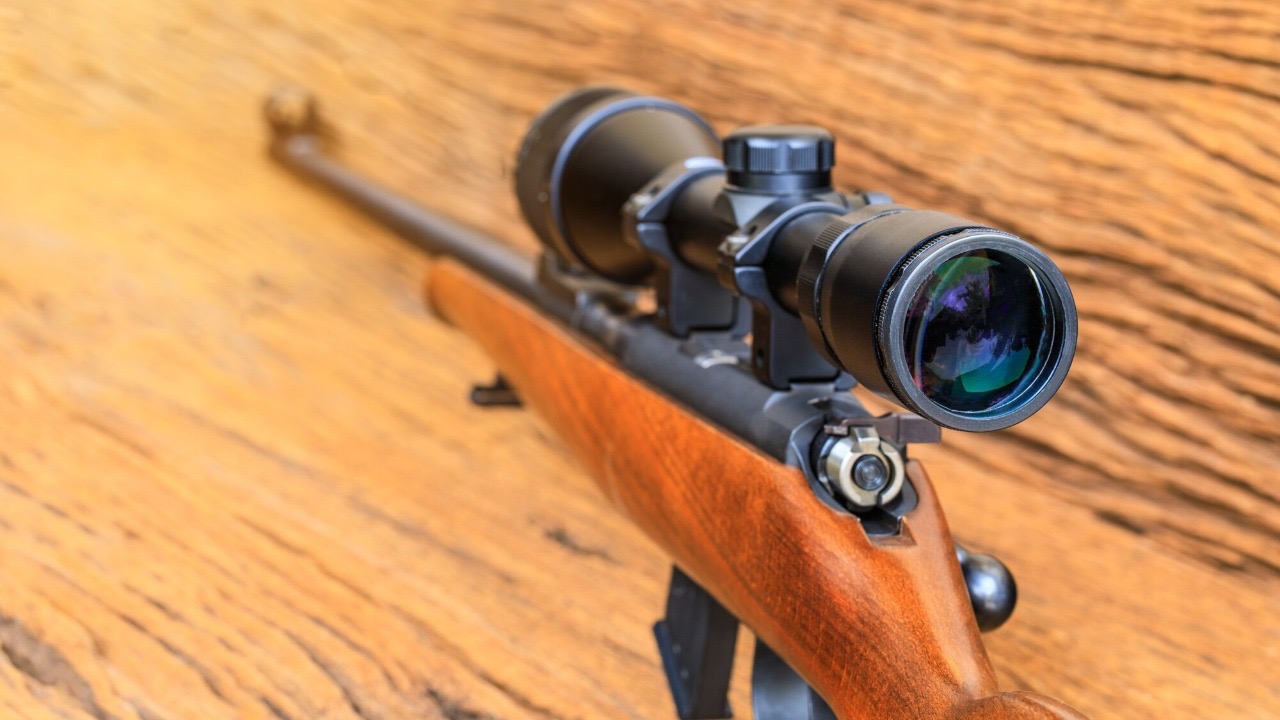
I start by treating rifles as durable goods, not disposable gadgets, which helps explain why many of them depreciate slowly compared with electronics or appliances. Enthusiasts on valuation forums point out that a well maintained Gun can function for generations with minimal performance loss, so the usual curve where a product loses most of its value in the first few years simply does not apply. One long-time Gun owner who is engaged in state and national gun policies, politics, and works as an instructor and FFL03 even argues that Not all Guns are unusually high in resale value, but the durable nature of the hardware means the floor is often higher than for other personal items, especially once production numbers fall and availability tightens.
That durability interacts with a culture that prizes mechanical longevity and historical continuity. When I compare rifles to, say, smartphones, I see that the firearm world rarely forces obsolescence through software or standards, so a bolt-action built in the 1950s can still be hunted with today using modern ammunition. As a result, buyers can focus on mechanical integrity, originality and story rather than compatibility, which is why older Firearms with solid construction and documented history often keep trading at healthy prices even after newer models with more features enter the catalog.
The big three: condition, originality and rarity
Every time I evaluate a rifle, I start with the same three variables that professional appraisers emphasize: condition, originality and rarity. The Virginia Gun Collectors Association summarizes this neatly by noting that the three major factors for value are condition, rarity and demand, and that a rare gun in excellent condition will almost always command the highest price. Their NRA MODERN GUN CONDITION STANDARDS define NEW as a firearm that has not been previously sold at retail and is in the same state as current factory production, which sets the top of the grading ladder for modern pieces and anchors price spreads between well kept examples and hard-used ones.
Specialists who focus on high-end collections go a step further and treat condition and originality as a combined premium. A detailed analysis of firearm valuation explains that Condition and Originality sit at the core of pricing, with carefully kept firearms that retain their factory finish, correct parts and unmodified configuration consistently outperforming similar rifles that exhibit heavy refinishing or aftermarket work. In practice, that means a limited-production bolt gun or pre-ban semi-auto can bring a strong offer if it is both rare and factory correct, while a more common model can still surprise on the secondary market if it survives in exceptionally crisp shape.
How classic models outlast newer designs
When I track specific models over time, I see that certain rifles become benchmarks that collectors and hunters treat as reference points, which helps their prices stay resilient even as newer designs appear. A detailed breakdown of which guns hold their value highlights that some classic sporting rifles and early military-pattern semi-autos have steadily appreciated because they combine proven performance with a reputation for quality that later cost-cut versions do not always match. That same analysis lists the Winchester Model 70 (Pre-1964) Referred to as “The Rifleman’s Rifle,” and notes that this configuration in particular has developed a strong following because it represents an earlier production standard that enthusiasts regard as superior to later changes.
I see a similar pattern in how the market treats early production runs compared with revised or budget-focused successors. Contributors on enthusiast forums, including users such as Due and Ahomebrewer, describe how Firearms can be “strange” in that Production year often affects value more than raw age, since collectors gravitate toward the first or best-executed iterations. Once a design becomes associated with a specific era of craftsmanship or a pre-regulation configuration, later models that are technically more modern can struggle to keep up in resale terms, while the older benchmark rifle keeps inching upward.
Military history, war stories and the power of provenance
In my experience, no factor transforms a rifle from hardware into an artifact quite like documented history. Guidance aimed at collectors of Antique firearms stresses that buyers actively seek pieces with stories, and that Firearms connected to significant historical events or famous individuals tend to carry a substantial premium. That same perspective explains that Collectors are willing to pay more when provenance is well documented, since clear records about where a rifle served or who carried it reduce uncertainty and turn a generic example into a specific narrative object.
That appetite for story shows up vividly in the market for World War II military firearms. A detailed overview of which guns retain value points out that World War II military firearms still perform well in the collector’s market, particularly when they remain in original configuration with matching parts and legible markings. A separate look at how provenance affects pricing explains that Historical Significance, especially for rifles tied to major conflicts or notable units, can sharply increase the price of an antique firearm when documentation connects the object to that history. When I watch bidding on a battle-documented sniper rifle or a carbine linked to a specific regiment, I see how that historical weight can push values far beyond what condition or rarity alone would justify.
Why pre-ban and “unobtainable” rifles are rising fastest
I often see the steepest price jumps in categories where law or policy has frozen supply. A pricing guide for pre-ban rifles such as the Norinco 56S notes that Collectors typically prioritize rifles that remain factory-correct with clear receiver and importer markings, and that Modified examples struggle to match the premiums that original configuration rifles command. Another valuation of the FN FNC stresses that Factory originality and condition are the biggest value drivers, and that Rifles which remain unmodified with original components and finish generally command the highest offers, especially when importation has stopped and no fresh supply can enter the market.
This dynamic is not unique to firearms. Analysts who study limited edition cars point out that Furthermore, the original price point and the model’s position within the brand’s lineup shape long-term perception, with ultra-exclusive, high-spec variants more likely to retain and appreciate in value. The same logic applies when a rifle shifts from current production to “no longer importable” status: once buyers realize that a configuration cannot be replaced, they begin to treat it as a finite asset rather than a commodity, and prices for clean, unaltered examples move accordingly.
Craftsmanship that modern production rarely replicates
When I handle older rifles, I am often struck by the level of handwork that would be prohibitively expensive in a mainstream factory today, and that craftsmanship has become a value driver in its own right. A veteran gun writer notes that Old “inexpensive” rifles from the era before stainless steel and composite stocks were commonly built with forged receivers, hand-fitted actions and deep, rust-resistant bluing, even when they were marketed to budget-conscious hunters. Another reflection on older long guns recalls that Before the war, the cost of labor allowed for beautifully hand polished and blued receivers and barrels and hand finished and checkered walnut stocks, and that many of those guns have seen a lifetime of use but very few have been worn out.
At the very top of the market, that emphasis on artistry becomes even more pronounced. A survey of the Most Expensive Rifles explains that high-end pieces are prized for more than firepower, describing them as works of art with engraving, bespoke wood and custom metalwork that push prices into six and even seven figures. A companion guide to 10 of the Most Expensive Rifles (And Why People Pay That Much for Them) By Michael Graczyk, which presents a Table of elite examples, notes that some Collector’s Masterpieces reach from $200,000 to Millions because buyers are effectively paying for sculpture that happens to be functional. While those extremes sit far from the average shooter’s safe, they illustrate why craftsmanship-heavy rifles often keep or gain value even when newer, more utilitarian models offer better ballistics per dollar.
How condition grading and “honest wear” shape prices
I rely heavily on standardized condition scales when I compare rifle values, because small differences in grading can translate into large price gaps. The NRA MODERN GUN CONDITION STANDARDS, summarized by collectors, define categories such as NEW, EXCELLENT and GOOD with specific expectations for finish, mechanical function and evidence of use, and they emphasize that a rare gun in excellent condition commands the highest price points. A separate guide to evaluating firearms explains that the gun’s intrinsic value, often called its Blue Book value, interacts with historic attribution value, and that the overall figure is essentially the product of these two factors, which means that condition and story must be weighed together.
Specialists who advise investors in fine arms echo that logic and add nuance about wear. A detailed discussion of Understanding the Value of Firearms notes that Factors like age and condition are only the starting point, and that Condition and Originality are especially powerful when a rifle retains its factory finish and correct parts but may exhibit character through honest wear. That concept of “honest wear” allows a lightly used but mechanically crisp hunting rifle to remain attractive, while heavy refinishing, aftermarket modifications or signs of abuse can drag a rarer piece down the value ladder even if it technically functions.
What recent auction trends reveal about collector demand
When I scan recent auction results, I see clear patterns in which rifle categories are attracting the most aggressive bidding. A detailed review of 2023 gun prices notes that Collectible Military Gun Prices have been among the fastest rising segments, with World War II service rifles, Cold War semi-autos and early sniper configurations seeing their values rise dramatically as new collectors chase finite supply. Another analysis of fine arms in the collectibles market reports that Frontier rifles, Old West derringers, and Civil War guns have seen a similar surge in value, with early production models, prototypes and high condition examples commanding the highest price points as buyers compete for the best survivors.
Specialist houses that focus on high-end collections report parallel interest in sporting and luxury rifles. A summary of 2023 gun prices and trends explains that classic sporting bolt-actions and early target rifles with strong brand recognition continue to perform well, especially when they retain original sights, stocks and finish. At the same time, a survey of the fine arms segment highlights that finely engraved hunting rifles and bespoke dangerous game guns are drawing cross-over bidders from the art and jewelry worlds, which suggests that some buyers now treat top-tier rifles as alternative investments rather than purely as shooting tools.

Leo’s been tracking game and tuning gear since he could stand upright. He’s sharp, driven, and knows how to keep things running when conditions turn.