The legal gray areas many gun owners overlook
You can follow the rules your whole life and still end up on the wrong side of one if you’re not paying attention. Gun laws aren’t always clean-cut. They shift across state lines, change with court decisions, and leave room for interpretation that can trip you up when you least expect it.
A lot of these gray areas don’t come from bad intent—they come from assumptions. You think something is fine because it was last year, or because it is in the next county over. That’s where people get burned. If you own and carry long enough, you owe it to yourself to understand where those edges are.
Crossing State Lines Isn’t as Straightforward as You Think
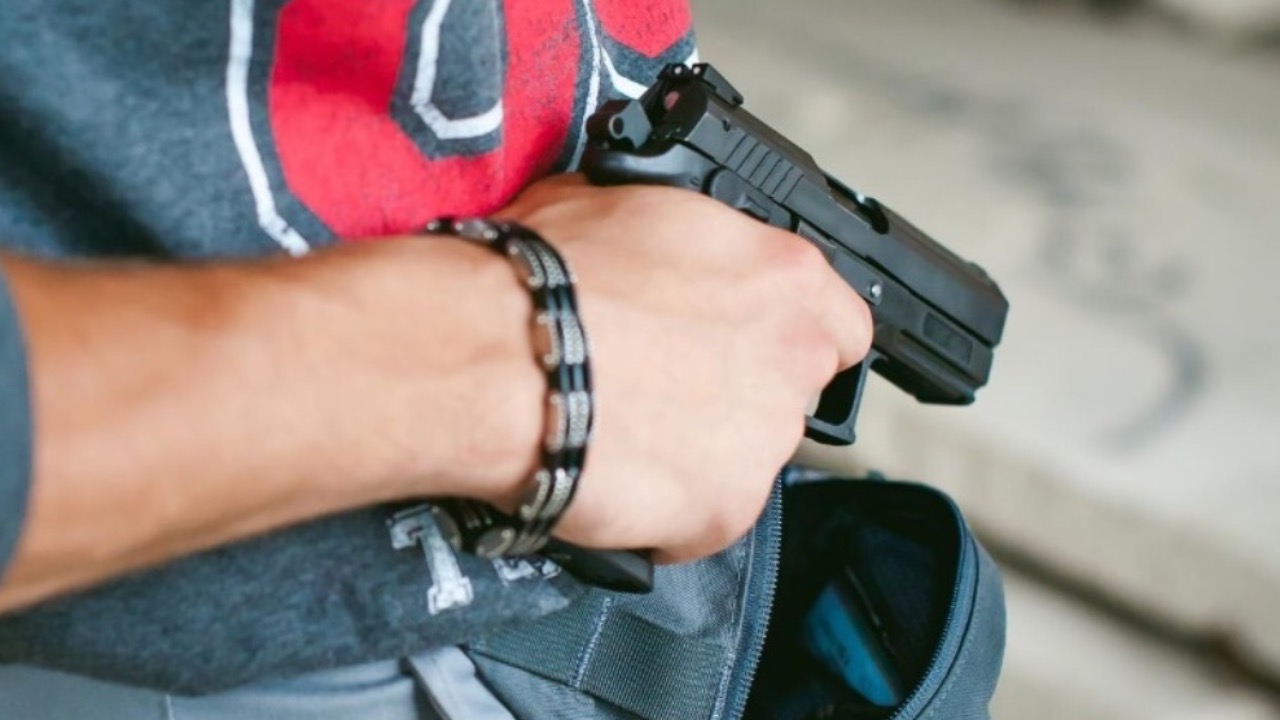
You might assume your permit or carry habits travel with you. In reality, reciprocity laws vary, and what’s legal in your home state may not hold up once you cross a border.
Even transporting a firearm can get tricky. Federal protections exist, but they come with conditions—like how the gun is stored and whether it’s accessible. Stop for gas or stay overnight, and you may step outside those protections without realizing it. If you don’t check ahead, you’re relying on luck, and that’s not a good plan when laws change every few hundred miles.
“Concealed Means Concealed” Can Still Land You in Trouble
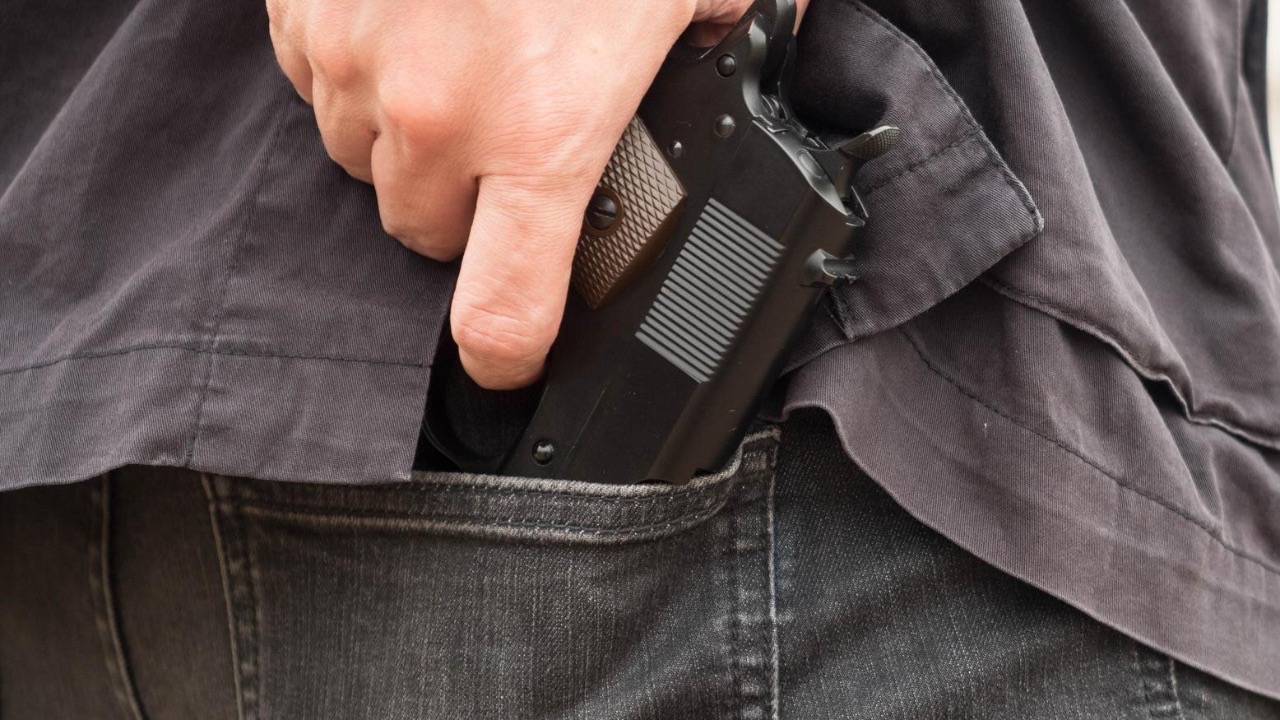
You’ll hear guys say that if nobody sees it, it doesn’t matter. That thinking can backfire. Printing, accidental exposure, or adjusting your clothing in public can turn a lawful carry into a problem depending on local laws.
Some places are stricter about what counts as concealed versus openly displayed. Others have rules about how and where you can carry inside certain businesses or public spaces. You don’t need bad intent to get questioned—only a moment where something shows that shouldn’t. Knowing the line ahead of time keeps you out of a conversation you don’t want to have.
Private Property Rights Override More Than You Think
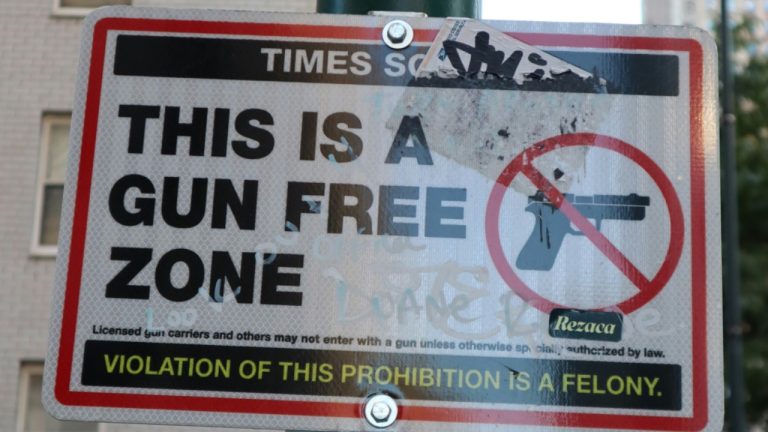
You can be fully within your rights to carry—until you step onto someone else’s property. Businesses and landowners can set their own rules, and in many states, posted signs carry legal weight.
Ignore those signs, and you could be asked to leave or even cited. The gray area comes in how those signs are written and enforced, which varies widely. Some states require specific language or placement. Others don’t. If you treat every property like public ground, you’re taking a risk that depends more on interpretation than clear law.
Vehicle Carry Laws Change Depending on the Situation
Having a firearm in your truck feels routine for a lot of folks. The legal side of that depends on where you are and what you’re doing.
Some states allow loaded firearms in vehicles without a permit. Others require them to be secured or stored in specific ways. Step out of the vehicle, and the rules may change again. Even how a firearm is positioned—glove box, console, under a seat—can matter. It’s one of those areas where habits form quickly, but the law doesn’t always match those habits.
Use-of-Force Laws Aren’t One-Size-Fits-All
You’ve probably heard terms like “stand your ground” or “duty to retreat.” The problem is that they don’t apply the same way everywhere, and the details matter more than the label.
What counts as a justified threat can shift based on location, circumstances, and how the situation unfolds. Even if you believe you acted within your rights, investigators will look at every decision leading up to that moment. The gray area isn’t whether you can defend yourself—it’s how the law defines when and how that defense is allowed.
Borrowing or Lending a Firearm Can Get Complicated
Handing a rifle to a buddy for a hunt feels normal. In many cases, it is—but not always. Laws around temporary transfers can vary, especially across state lines.
Some states require transfers to go through a licensed dealer, even for short-term situations. Others make exceptions for hunting or range use. The trouble starts when assumptions replace facts. If you’re not clear on what’s allowed, a friendly loan can turn into a legal issue neither of you saw coming.
Modifications Can Push You Into Regulated Territory
Swapping parts, upgrading triggers, or changing configurations is common among gun owners. Certain modifications, though, can shift a firearm into a different legal category.
Barrel length, overall length, and specific components can bring federal regulations into play. Once you cross that line, you’re dealing with registration requirements and strict rules. The gray area shows up when people don’t realize a small change has bigger legal implications. It’s not always obvious until it’s too late.
Hunting Regulations Don’t Always Align With Firearm Laws
You can have a firearm that’s perfectly legal to own but not legal to use for hunting in a given state or season. Magazine limits, caliber restrictions, and firearm types all come into play.
Game laws are written with conservation in mind, and they don’t always match broader firearm rules. If you assume legality in one area carries over to another, you can end up with a citation in the field. It’s a different rulebook, and you’ve got to read both.
Most of these issues don’t come from reckless behavior. They come from gaps in understanding. You don’t need to memorize every statute, but you do need to know where the lines get blurry. That’s the difference between staying within the law and stepping over it without realizing it.

Asher was raised in the woods and on the water, and it shows. He’s logged more hours behind a rifle and under a heavy pack than most men twice his age.