12 U.S. states with the most extreme weather conditions
You don’t have to spend long outdoors to realize weather isn’t equal across the map. Some states test your gear. Others test your judgment. And a handful will flat-out punish you if you show up unprepared.
If you hunt, fish, or spend real time outside, you learn these places quick. It’s not about comfort—it’s about knowing what you’re walking into. Heat that won’t let up. Cold that cuts through layers. Wind, fire, storms, and swings that don’t make sense unless you’ve lived them. These are the states where weather isn’t a backdrop—it’s the main factor.
Alaska

Spend any time in Alaska and you understand fast that this is weather on its own terms. Winters drag on with deep cold, and in the interior, temperatures can fall far below zero for long stretches.
Then summer flips the script. Long daylight hours bring rapid snowmelt, swollen rivers, and thick bugs. Coastal areas add heavy storms and wind. You’re dealing with extremes on both ends, and the margin for error is thin. Gear failure or poor planning isn’t an inconvenience here—it can turn serious in a hurry.
Texas
In Texas, weather doesn’t stay in one lane. You can go from triple-digit heat in summer to ice storms in winter, sometimes in the same year.
Storm season brings hail, tornadoes, and flash flooding, especially across central and north Texas. Down south, heat and humidity wear you down fast. Out west, it’s dry and punishing. The size of the state means you’re dealing with multiple climates, and each one has its own risks. You don’t get lazy with weather here—it’ll catch you slipping.
Florida
Florida is known for heat, but it’s the humidity that gets you. Air feels heavy, and it doesn’t cool off much, even after sunset.
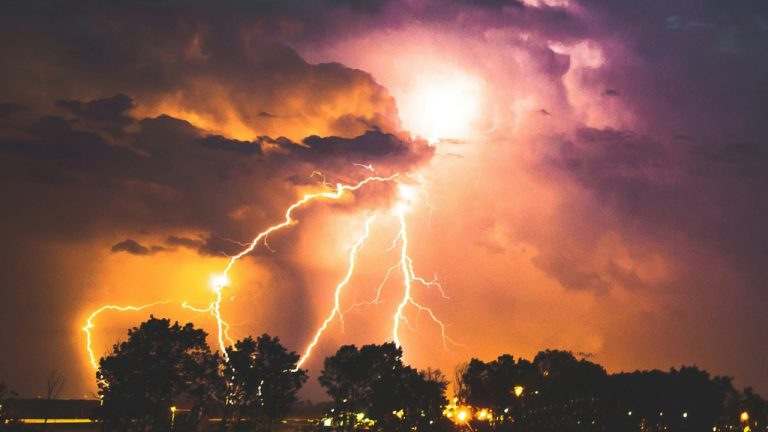
Then there’s hurricane season. Strong storms roll in with wind, rain, and storm surge that can reshape entire stretches of coast. Inland, thunderstorms build fast and hit hard. Lightning is a real concern, especially if you’re in open ground or on the water. You learn to watch the sky and move early, because things escalate quick.
Oklahoma
You don’t spend much time in Oklahoma without hearing about tornadoes. This sits right in the heart of Tornado Alley, and spring brings volatile conditions.
Warm, moist air collides with cooler systems, and storms build fast. Some days start calm and turn dangerous by afternoon. Add strong winds and hail, and you’ve got a rough mix. Outside of storm season, you’re still dealing with heat in summer and cold snaps in winter. It’s not steady, and that unpredictability keeps you on edge.
Colorado
In Colorado, elevation changes everything. You can start a day in mild conditions and run into snow before lunch if you’re climbing.
Mountain weather shifts fast. Storms build over peaks and roll through with little warning. Wind is a constant factor, especially in exposed terrain. Winter brings heavy snow and avalanche risk, while summer still sees sudden cold fronts. You plan for more than the forecast, because what’s coming over the ridge isn’t always what was predicted.
Arizona
Arizona doesn’t hide what it is. Summer heat in the desert can push well past 110 degrees, and it stays there.
That kind of heat drains you fast, especially if you’re moving. Water becomes the limiting factor. Then the monsoon season rolls in, bringing sudden storms, lightning, and flash floods. Dry washes can turn into moving water in minutes. It’s a place where timing matters, and mistakes in the heat don’t give you much room to recover.
North Dakota
In North Dakota, winter is the story. Cold settles in and holds, with wind making it feel even worse.
Blizzards can shut things down fast, cutting visibility and piling snow in places you don’t expect. Frostbite is a real concern if you’re exposed too long. Summer swings the other way with heat and strong storms. It’s a place of wide-open ground and nothing to block the weather. When it hits, you feel all of it.
Louisiana
Louisiana brings heat and moisture together in a way that wears you down. The air stays thick, and it’s hard to cool off.
Hurricanes are the bigger threat. Storms moving in from the Gulf can bring flooding, wind damage, and long recovery periods. Even outside of major storms, heavy rain can flood low ground quickly. If you’re in the marsh or low country, water levels and weather are tied together. You pay attention, because conditions can shift overnight.
California
California covers a lot of ground, and the weather reflects that. Coastal fog, inland heat, mountain snow—it’s all in play.
What stands out are the extremes tied to drought and fire. Dry conditions build, and when wind kicks up, wildfires spread fast. In the mountains, heavy snow and sudden storms add another layer. You’re dealing with swings depending on where you are, and some of them carry real risk if you’re caught out without a plan.
Kansas
Kansas sits in the path of shifting air masses, and that sets up strong storms. Spring and early summer bring tornadoes, hail, and heavy winds.
The landscape doesn’t slow anything down. Storms move clean across open ground, and you can see them coming—but that doesn’t make them easier to deal with. Summers run hot, winters bring cold snaps, and wind is almost always part of the equation. It’s a state where weather stays active and rarely settles.
Montana
In Montana, you get a mix of mountain and plains weather, and both can be rough. Winter cold sets in deep, especially in open country.
Wind plays a big role, and temperature swings can happen fast with passing fronts. Snow comes heavy in places, and conditions can change mid-day if you’re in higher elevation. It’s not unusual to deal with multiple weather types in a single outing. You stay ready for it, because it doesn’t wait for you to adjust.
Hawaii
Hawaii doesn’t deal with cold like the mainland, but it earns its spot with volatility. Tropical storms and hurricanes can still bring serious wind and flooding.
Rainfall varies sharply depending on location, with some areas seeing constant moisture and others staying dry. Steep terrain adds to the risk of flash flooding and landslides. Ocean conditions can shift fast as well. It’s a different kind of extreme, but if you spend time outdoors there, you learn quickly that it’s not as laid back as it looks.

Asher was raised in the woods and on the water, and it shows. He’s logged more hours behind a rifle and under a heavy pack than most men twice his age.