The everyday tools people use that are starting to face scrutiny
From nonstick pans to smartphone apps and office software, a growing list of everyday tools is being reexamined through a tougher lens. Regulators, researchers, and courts are asking whether products that once symbolized convenience now carry hidden costs for health, privacy, and even basic expectations of autonomy. The result is a quiet but significant shift in how routine technologies and household staples are judged.
Scrutiny is falling on three broad categories in particular: what people eat, what they put on their bodies and in their homes, and the digital systems that watch, guide, and sometimes manipulate their behavior. Taken together, these fronts reveal how deeply risk and regulation are starting to reach into ordinary life.
Ultra-processed food and “secret” additives in the pantry
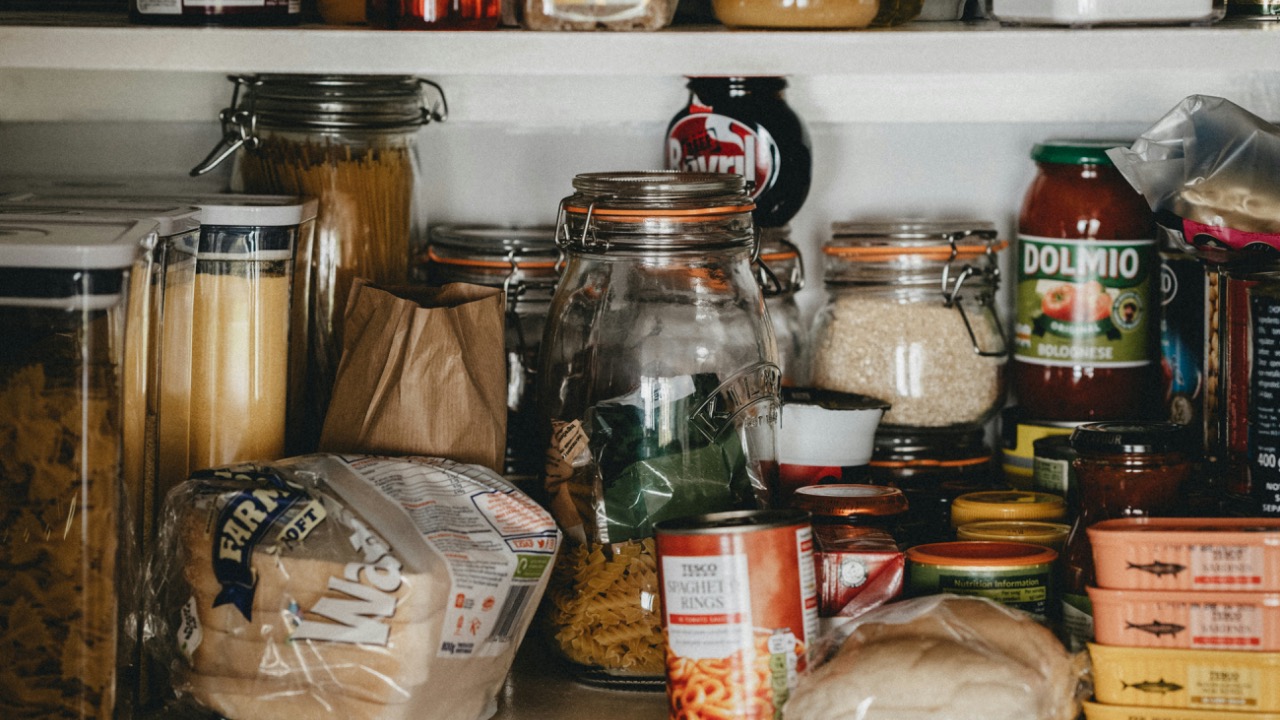
Few tools feel more mundane than a box of cereal or a frozen dinner, yet packaged foods are at the center of one of the most intense regulatory pushes. Analysts estimate that 70% of the food supply can be considered ultra-processed, with children deriving over 60% of their calories from such foods. That sheer dominance has turned what used to be a niche nutrition debate into a regulatory question about how these products are made, labeled, and marketed.
State and federal regulators are now focusing on ultra-processed foods, with new laws and enforcement priorities reshaping how manufacturers formulate and advertise products. Legal analyses describe a wave of proposals that would define ultra-processed categories in statute, tighten marketing rules, and expand warning or disclosure requirements. A federal request for information on ultra processed foods signaled that policymakers want data on health effects, labeling, and potential regulatory options, not just voluntary industry pledges.
Some states are moving faster than Washington. Legislative proposals such as Wisconsin’s AB550 and SB560, along with measures tracked in Louisiana’s SB14 and Texas’s SB25, show how lawmakers are testing definitions, warning labels, and restrictions on certain ingredients. A detailed legal briefing on state and federal describes how these bills intersect with federal labeling rules and private lawsuits that challenge health claims on heavily processed products.
At the same time, a separate fight is emerging over ingredients that consumers never realized were in their food. An investigation found that Of the 49 chemicals detected in common foods, 22 were extracts marketed as natural, including aloe vera and green tea derivatives. A parallel analysis concluded that Some types of are linked to heart and brain defects, fetal leukemia, suppression of estrogen, and other harm, and that over 100 additives have never gone through a modern safety review.
Regulators are starting to respond. The Human Foods Program, often referred to as HFP, has listed a series of 2026 goals that include a review of preservatives such as butylated hydroxyanisole (BHA) and butylated hydroxytoluene (BHT), as well as steps to reduce contaminants in food for infants and young children through The Closer to Zero initiative. The agency’s own summary of Human Foods Program priorities, as well as a more detailed description of Closer to Zerowork, makes clear that the agency sees chemical exposures in food as a long term project rather than a one off rulemaking.
Behind these initiatives is a broader reassessment of how ingredients reach store shelves. Federal rules allow companies to self certify many substances as “generally recognized as safe,” which critics argue has created a shadow list of additives that never face independent scrutiny. As new science emerges around synthetic preservatives, flavor enhancers, and botanical extracts, the basic supermarket trip is becoming a frontline in debates over transparency and long term health.
Household chemicals, PFAS, and the quiet revolution in product rules
A similar pattern is playing out in cleaning products, cookware, cosmetics, and even receipt paper. Consumers reach for these items without thinking about their chemistry, yet regulators are moving to restrict a growing list of substances linked to cancer, reproductive harm, and environmental persistence.
One flashpoint is PFAS, a family of “forever chemicals” used for nonstick coatings, stain resistance, and water repellency. Legal analysis of upcoming state rules notes that in 2026, seven states will have new restrictions that apply to numerous types of consumer products containing PFAS, including cookware, cleaning products, and apparel. A detailed briefing on PFAS product rules explains that these laws not only limit sales but also require detailed reporting from manufacturers.
The same analysis breaks out 2026 PFAS Product Restrictions in individual states such as Vermont and others, showing how each jurisdiction is targeting different categories of goods. The section describing 2026 PFAS Product in Vermont illustrates how quickly state level bans can ripple through national supply chains, since large brands rarely maintain separate formulations for a single market.
PFAS are not the only chemicals facing new limits. Under California’s Proposition 65, consumer products companies are grappling with warnings and potential liability when products contain substances identified as causing cancer or reproductive harm. A 2026 review of top legal developments highlights how enforcement is expanding to categories such as thermal receipt paper containing bisphenol S, which consumers handle casually at checkouts. The same review describes new pressure on manufacturers to track and disclose trace chemicals in everything from toys to personal care products.
At the federal level, the Environmental Protection Agency is seeing more direct petitions to regulate specific substances. A recent summary of federal developments explains that EPA received a petition under Section 21 of the Toxic Substances Control Act, often shortened to TSCA, that seeks action on several surfactants and related compounds. The petition, described in detail in a report on recent federal developments, shows how advocates are using TSCA’s Section 21 mechanism to force EPA to consider tighter controls on ingredients that appear in detergents and other household products.
Personal care items are undergoing a similar shakeup. Regulatory specialists note that the FDA has started restricting certain types of parabens and phthalates, two classes of chemicals widely used as preservatives and plasticizers in cosmetics and packaging. According to an industry briefing, Manufacturers will have until 2027 to remove these substances from affected products, pushing companies toward alternative ingredients that may be more expensive or less tested.
Even the plastic detergent jug is under cultural and regulatory pressure. Consumer advocates and sustainability influencers are urging households to avoid large single use containers in favor of concentrated refills or solid tablets. One widely shared video singles out plastic detergent jugs and promotes refillable systems such as Blueland tablets as an example of how routine purchases can shift away from plastics and potentially problematic surfactants.
All of these changes point to a new assumption: that the burden of proof is slowly shifting toward manufacturers. Instead of consumers simply trusting that what is on the shelf is safe, regulators and advocates are demanding data on long term exposure, environmental persistence, and cumulative effects, and they are willing to restrict or stigmatize products that fall short.
Smartphones, streaming, and the design of addiction
The tools that shape daily attention are also under fresh scrutiny. Smartphones, social media feeds, and streaming platforms have long been criticized for being hard to put down. Now, legal and academic voices are treating that stickiness as a design choice with potential liability, not just a side effect of popularity.
A recent commentary on a high profile jury verdict described how a finding against a major tech company could influence how others design tools, technologies, and apps in the future. The analyst in that piece argued that the jury’s decision will have implications for many other tech companies as they build recommendation engines and engagement features, a point captured in a short video that frames the ruling as a turning point for tools, technologies, and.
Academics are also unpacking how subscription platforms keep viewers watching. In one explainer, Bentley’s MSBA Professor Noah Giansiracusa describes how services like Netflix rely on constant engagement to reduce churn, and how interface choices, autoplay features, and algorithmic recommendations are calibrated to keep people seated. The clip, which highlights the incentives facing Bentley MSBA Professor and similar platforms, captures a broader concern that ordinary entertainment tools are being optimized for compulsion rather than simple enjoyment.
These debates sit alongside a broader set of controversies around artificial intelligence. A running list of 2025 and 2026 incidents highlights how generative models have been used to create political deepfakes, power cybercrime, and generate sexualized images without consent. One entry describes how early 2026 saw a scandal involving Elon Musk’s AI and scantily clad images produced without permission, illustrating how quickly AI tools can move from novelty to reputational and legal risk. A survey of 27 biggest AI frames these episodes as part of a pattern in which everyday apps built on powerful models can be repurposed in harmful ways.
Regulators have not yet settled on a unified approach to attention design or AI misuse, but the direction is clear. From lawsuits that argue platforms knowingly foster addiction, to policy proposals that would limit autoplay or push notifications for minors, the basic smartphone and streaming interface is no longer treated as a neutral tool. It is increasingly viewed as a product that should be constrained when it conflicts with public health or privacy goals.
Surveillance at home, in stores, and at work
If food and chemicals raise questions about physical health, the spread of cameras and sensors raises questions about power and control. Everyday surveillance tools now reach into homes, workplaces, and retail spaces, often without explicit consent from the people being watched.
In smart homes, video cameras and connected displays routinely incorporate facial recognition. Research on casual facial analysis tools notes that video cameras in smart homes use facial recognition to identify visitors and personalize screen displays, turning what looks like a simple doorbell or TV into a biometric system. The same study on Everyday face scanswarns that this casual use of facial analysis can create new risks, from misidentification to data misuse, especially when combined with cloud storage and third party analytics.
Retail settings are not far behind. Civil liberties advocates have documented how some chains are experimenting with face recognition to spot suspected shoplifters or monitor customer behavior. One detailed account describes how Face recognition is being deployed as a powerful surveillance and tracking technology in stores, even though it continues to lack broad public acceptance and often operates without clear notice or an easy way to opt out.
Workplaces are also embracing monitoring tools that blur the line between productivity tracking and intrusive oversight. A federal watchdog’s blog on employer monitoring explains that digital surveillance tools, often referred to as “bossware,” now include cameras, microphones, keystroke loggers, GPS trackers, and even wearables that track workers’ health data. The post, which begins by noting that Often referred to, emphasizes that these systems can affect morale, stress, and perceptions of fairness, not just output.

Leo’s been tracking game and tuning gear since he could stand upright. He’s sharp, driven, and knows how to keep things running when conditions turn.