What survival experts say to do in the first hour after a nuclear blast
The first hour after a nuclear detonation is brutally simple in one sense: what you do in those minutes can decide whether you live through the blast, the radiation that follows, or neither. Survival experts focus less on cinematic heroics and more on a short list of actions that cut your exposure to heat, shock waves and radioactive fallout. I will walk through those priorities in the order professionals say they matter most, from the instant of the flash to the moment you can safely start thinking beyond the next sixty minutes.
Understanding what just happened
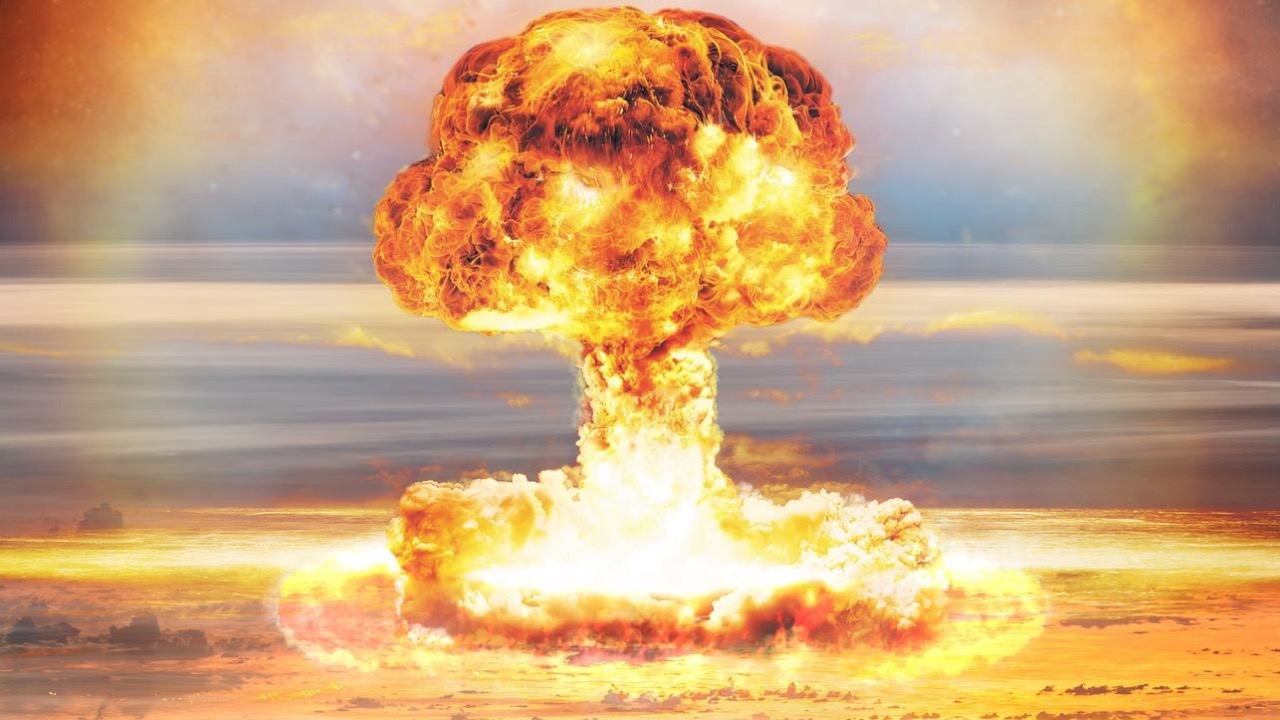
To act quickly, you first need a rough sense of what you are facing. A nuclear weapon creates a fireball, intense light, a pressure wave and then a cloud of radioactive particles that fall back to the ground as fallout. Official guidance on a Nuclear Explosion describes a fireball that can vaporize structures near the center, with a blast wave that shatters buildings over a wider radius and thermal radiation that can cause burns and ignite fires even farther out. That same material explains that the detonation also produces prompt radiation and then delayed radiation from fallout, which is made up of radioactive particles lofted into the atmosphere and carried downwind.
Experts distinguish this from a Radiological Attack involving so called Dirty Bombs and Other Devices, which spread radioactive material without the same scale of blast or fireball. In a full scale nuclear strike, the combination of blast, heat and radiation can cause mass casualties in seconds, but people outside the immediate fireball still have a chance to protect themselves. Federal planners emphasize that even in a worst case scenario, many people beyond the central zone will survive the initial explosion and can dramatically reduce their radiation dose if they move quickly to shelter and follow basic protective steps.
The blinding flash and the first seconds
Survival in the first seconds is about instinctive reactions. If you see a sudden, intense flash of light, experts warn you must not stare at it, because the thermal pulse can damage your eyes and skin. Guidance for what to do During a Nuclear Explosion explicitly tells people not to look at the flash and to drop behind any available cover to shield themselves from the heat and the coming shock wave. Even a low wall, a curb or the side of a car can reduce the direct impact of flying glass and debris.
Emergency trainers often compare this to the old “duck and cover” drills, but with a sharper focus on shielding your head and vital organs from shattered windows and collapsing structures. Official advice stresses that you should lie face down, keep your mouth open to protect your eardrums from pressure changes and cover your head with your arms or a bag or coat if you have one. If you are driving when the flash occurs, you are told to stop safely, get down below window level and prepare for the blast wave, which can arrive several seconds after the light depending on your distance from the detonation.
The first 10 minutes: get inside, fast
Once the shock wave has passed, the clock starts on fallout. Radiation protection specialists describe THE FIRST 10 MINUTES after a detonation as the critical window to move. Guidance from international experts explains that in those MINUTES, Adequa sheltering can mean the difference between a survivable dose and a lethal one. They urge people to be inside before the fallout arrives, because radioactive particles will begin to drift down within minutes, especially downwind of the blast, and exposure outdoors can climb quickly.
Federal planners echo that advice, noting that Going inside a building to shelter as far away from these particles as possible is the best protective action. That same planning material stresses that People will have at least 10 minutes, and often more, to reach a safer structure before the heaviest fallout arrives. The priority is to move quickly but calmly to the nearest substantial building, not to try to flee the city in a car, because traffic jams and open roads leave you exposed to the radioactive dust that will soon be settling on streets, roofs and vehicles.
Choosing the safest possible shelter
Not all buildings protect you equally, so experts urge you to be choosy if you have options within a short walk. Official preparedness sheets advise people to Identify in advance the best shelter locations near home, work and school, such as basements or interior rooms in large concrete or brick structures. Those same materials say to Identify the places with few or no windows and multiple stories, because more mass between you and the outside world means less radiation reaching your body. Even if you have not planned ahead, the principle is simple: thicker walls and more distance from the roof and outer walls are better.
Guidance from radiation safety organizations reinforces that you should be inside before the fallout arrives and that heavy construction, like underground parking garages or the lower levels of office towers, can also provide good shelter. Local emergency planners advise people who are already at home to stay near the center of the building and away from the roof, since radioactive material will collect there and on exterior walls. That same local guidance notes that moving to an interior hallway or a basement, if it is structurally sound, will also reduce your risk from penetrating gamma radiation that comes from fallout outside the building.
Where to position yourself inside
Once you are in a building, the next decision is where exactly to sit out the first hour. Federal shelter in place guidance tells people to go to the basement or the middle of the building and to stay away from the outer walls and roof because radioactive material will collect there. The document emphasizes that you should Stay in interior spaces with as many walls as possible between you and the outside, such as stairwells, central corridors or windowless rooms. Elevators should be avoided in case of power loss or structural damage.
Local health departments echo this, advising that during a radiation emergency you should stay near the center of large buildings and below ground level if possible, since that will also reduce your risk from external radiation. That local guidance, which appears in a section titled Prepare for radiation emergencies, notes that thick materials like concrete, brick and packed earth are especially effective at blocking gamma rays. If you are in a smaller wood frame house without a basement, experts suggest moving to a central room on the lowest floor, away from windows and exterior doors, and using heavy furniture or even boxes of books as improvised shielding along outside walls.
Decontaminating yourself without making it worse
Anyone who was outdoors when the blast and fallout began needs to assume their clothing and skin may be contaminated with radioactive dust. Federal emergency guidance explains that removing your outer layer of clothing can eliminate a large share of that contamination, and it instructs people to place those clothes in a plastic bag and seal it if possible. The same material on Jan radiation emergencies advises washing exposed skin and hair with soap and water, but not to scrub so hard that you break the skin, because that can let radioactive material enter the body more easily.
Local broadcast guidance on how to respond in the case of a nuclear blast tells people to quickly remove contaminated clothing, including jackets and shoes, because dust can cling to fabric and make it harder to rinse out later. That same advice, introduced with the phrase Here is WHAT to do in an ACTUAL NUCLEAR BLAST, stresses that you should gently blow your nose and wipe your eyelids and eyelashes with a clean, damp cloth to remove particles, taking care not to rub them into your eyes. If running water is limited, experts recommend prioritizing hands, face and any other skin that was not covered, and then putting on clean clothes from inside the shelter to avoid recontaminating yourself.
Why staying put beats running for it
One of the hardest pieces of expert advice for people to accept is that they should not immediately try to evacuate a city after a nuclear detonation. Federal quick reference material on fallout explains that Fallout decays rapidly and sets out the 7 10 Rule: For every sevenfold increase in time after detonation, there is a tenfold decrease in the radiation level. That same Dec guidance notes that after 7 hours, radiation from fallout is about one tenth of its initial level, and after 49 hours it is about 1 percent. The implication is clear: the first hours are the most dangerous, and sheltering in place during that period is far safer than being stuck in traffic under a radioactive cloud.
County level emergency instructions capture this in a blunt phrase: Stay inside and do not come out until you are instructed to do so by authorities or emergency responders. A local document titled IMMEDIATE ACTION: SHELTER, THEN EVACUATE explains that if you are in a good shelter, you should remain there until officials say it is safe to move, because early evacuation can expose you to higher doses of radiation. That same guidance, which uses the word Stay as a key instruction, notes that later, once radiation levels have dropped, organized evacuation from high fallout zones to cleaner areas may be recommended, but that decision should be based on measurements and official direction, not guesswork in the first frantic hour.
Listening for instructions and avoiding new hazards
Inside your shelter, the next priority is information. Emergency planners urge people to listen for official information and follow the instructions provided by emergency response personnel, whether through battery powered radios, car radios used briefly, or alerts on phones if networks are still functioning. Guidance on what to do During a Nuclear Explosion stresses that you should stay tuned for updates on shelter in place orders, potential evacuation routes and locations of community reception centers where people can be screened for contamination. It also notes that if you are unable to get inside immediately, you should cover your mouth and nose with a cloth and move crosswind or upwind from the blast to reduce your exposure while you search for shelter.
Workplace safety regulators add another layer of caution, advising people to stay away from any obvious sources of radiation, such as damaged industrial equipment or medical devices, and to avoid handling debris or unknown containers. Their guidance for businesses notes that Regardless of the size of the emergency, workers and employers can reduce their exposure to radiation by Minimizing the time spent near sources, maximizing distance and using shielding. That same Regardless of the document also reminds people to assist injured individuals when possible, but only if it can be done without putting themselves in direct contact with contamination or unstable structures.
What the first hour sets up for the rest of the day
By the end of the first hour, the most urgent tasks should be complete: you are inside, in the safest part of the building you can reach, decontaminated as much as possible and listening for instructions. At that point, experts say the focus shifts to staying put and letting time work in your favor as radiation levels fall. Federal guidance on how to Puttingmaterial between you and the radiation explains that Staying Safe DURING a fallout event means remaining in adequate shelter before fallout arrives and for several hours afterward, while responders assess conditions. That same material notes that fallout consists of radioactive particles called fallout that can contaminate air, water and surfaces, so minimizing trips outside your protected space is essential.

Leo’s been tracking game and tuning gear since he could stand upright. He’s sharp, driven, and knows how to keep things running when conditions turn.