10 states with the largest bear populations in the U.S.
If you spend enough time in bear country, you start to understand something quick—numbers matter, but habitat matters more. Some states hold a lot of bears because they’ve got the ground, the food, and the space to keep them there. Others have growing populations packed into tighter country, which changes how you hunt them and how often you run into one.
What follows isn’t guesswork. These are the states where bear numbers are consistently high, based on wildlife agency estimates and long-term trends. If you’re planning a hunt or trying to understand where bears are thriving, this is where you look.
Alaska Holds the Most Bears by a Wide Margin
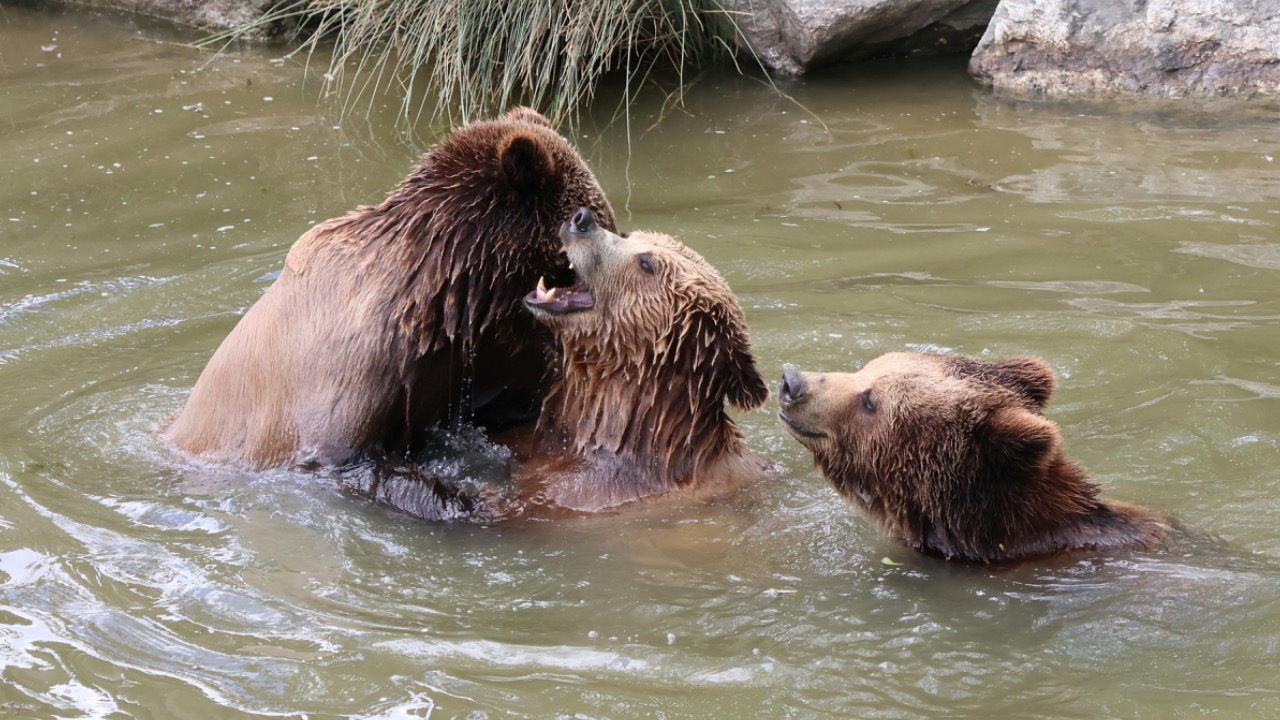
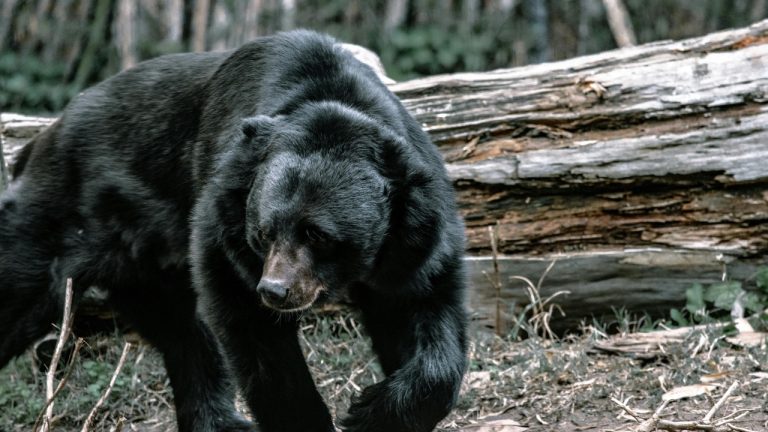
If you’re talking sheer numbers, Alaska sits in a category of its own. You’re dealing with well over 100,000 black bears, along with large populations of grizzlies and brown bears spread across massive, remote country.
What stands out isn’t only the population—it’s how spread out they are. You can hunt for days without seeing another person, yet still be in prime bear habitat. Salmon runs, berry fields, and untouched wilderness keep bears well-fed. It’s not easy hunting, but if you want numbers and size, this is where the ceiling sits.
California Has a Quietly Massive Black Bear Population
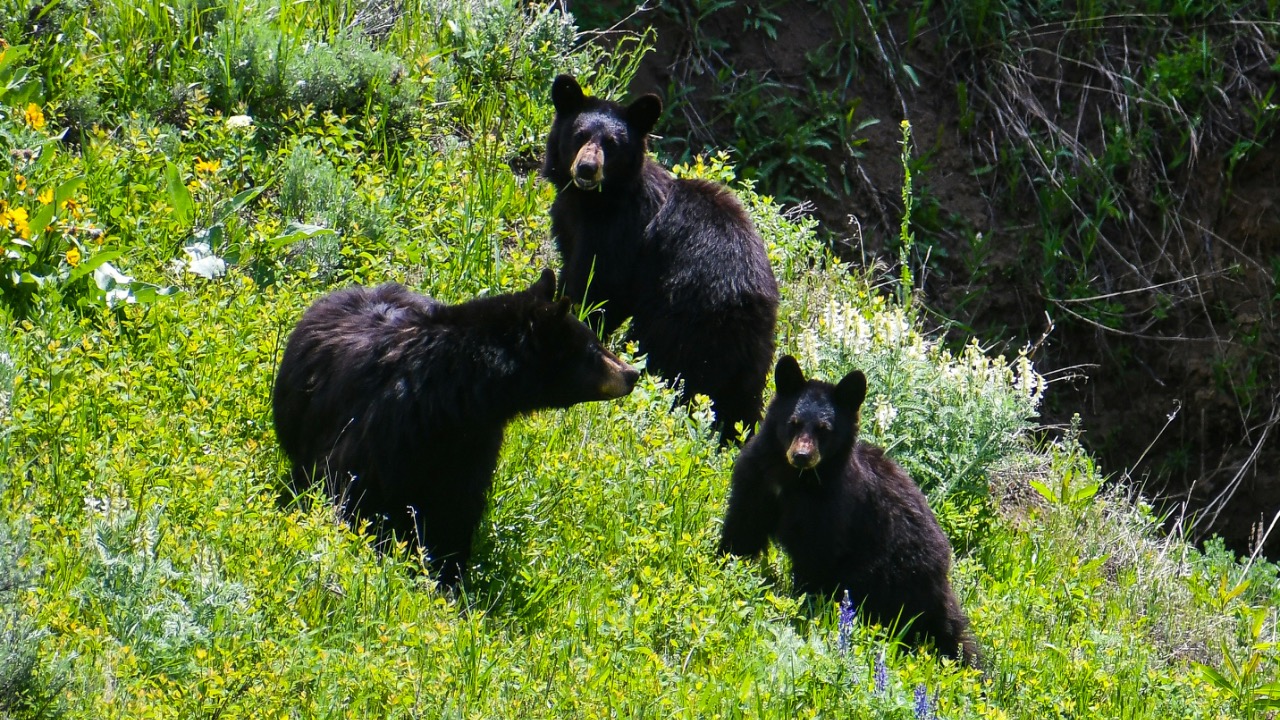
A lot of folks don’t think of California as bear country, but it holds one of the largest black bear populations in the lower 48, often estimated around 30,000 or more.
The bears are spread across the Sierra Nevada, coastal ranges, and even foothill zones. What makes it interesting is how close they live to people. You’ll find bears working oak ridges and slipping into suburban edges. Hunting pressure exists, but access and terrain keep many bears out of reach, allowing numbers to stay strong.
Pennsylvania Leads the East in Bear Numbers
When you look at the eastern U.S., Pennsylvania stands at the top. The state regularly reports 18,000 to 20,000 black bears, with a well-managed and closely watched population.
The terrain plays a big role. Big woods, thick cover, and a strong mast crop give bears what they need. You’re not dealing with wide-open country here—you’re hunting in tight timber where visibility is short. Pennsylvania also turns out some heavy bears every year, and that’s tied directly to consistent food and careful management.
Wisconsin’s Bear Population Keeps Climbing
Wisconsin has built a steady reputation for holding a large and growing bear population, now pushing past 24,000 animals in many estimates.
Northern Wisconsin is where most of them live, in mixed forest and swamp country that holds food and cover year-round. Baiting is legal here, which shapes how hunts are run and how successful hunters can be. The state keeps a close eye on harvest numbers, adjusting permits to keep the population in a healthy range.
Minnesota Is Packed with Bears in the Northwoods
Head into northern Minnesota and you’re squarely in bear country. The state holds roughly 15,000 to 20,000 black bears, concentrated in forested regions.
What makes Minnesota stand out is consistency. Habitat is stable, food sources are reliable, and bear numbers reflect that. Like Wisconsin, baiting is a common tactic, and it works. You’re hunting thick country where bears can disappear fast, but the population density gives you solid odds if you put in the time.
Maine Has More Bears Than Most People Realize
Maine might not get the same attention as western states, but it carries one of the densest black bear populations in the country, often estimated around 35,000.
The North Woods provide everything bears need—cover, food, and low human pressure in large stretches. Maine also allows several hunting methods, including baiting and hounding, which plays into how the population is managed. If you’re looking for opportunity in the Northeast, this state consistently produces.
North Carolina Supports a Strong and Growing Population
North Carolina has quietly built one of the largest bear populations in the Southeast, now estimated at over 20,000 animals.
You’ll find bears in both the mountains and the coastal plain, which isn’t something every state can claim. Some of the largest black bears in the country come out of the eastern part of the state, where agriculture provides a steady food source. It’s a different kind of hunting depending on where you go, but the numbers are there.
Washington Has Solid Numbers Across Diverse Terrain
Washington holds a healthy black bear population, generally estimated between 25,000 and 30,000.
The terrain ranges from coastal rainforest to dry eastern slopes, and bears adapt well across it. Food sources shift with the landscape—berries, salmon, and forage all play a role. Access can be a challenge in some areas, especially with changing land ownership and regulations, but the population remains strong across much of the state.
Oregon Remains One of the Best Bear States in the West
Oregon continues to hold a large and stable black bear population, often estimated around 25,000 to 30,000 animals.
Western Oregon, with its thick timber and steady rainfall, produces ideal habitat. Eastern portions of the state hold bears too, though in lower densities. Spring and fall seasons give hunters options, and spot-and-stalk hunting is common in logged areas and open slopes. The numbers have stayed consistent for years, which says a lot about habitat and management.
Colorado Balances Bear Numbers with Growing Pressure
Colorado is home to a sizable black bear population, typically estimated between 17,000 and 20,000 animals.
The state’s mix of mountains, foothills, and oak brush creates solid bear habitat, especially where food sources like acorns are strong. At the same time, expanding human development pushes into bear range, increasing encounters. That balance between growth and pressure is something wildlife managers watch closely. For hunters, it means opportunity is there, but conditions shift year to year.
Bear populations are holding strong in a lot of places, but where they live—and how they behave—depends on pressure, food, and ground. You can find bears in plenty of states, but these are the ones where the numbers give you a real shot if you’re willing to put in the work.

Asher was raised in the woods and on the water, and it shows. He’s logged more hours behind a rifle and under a heavy pack than most men twice his age.