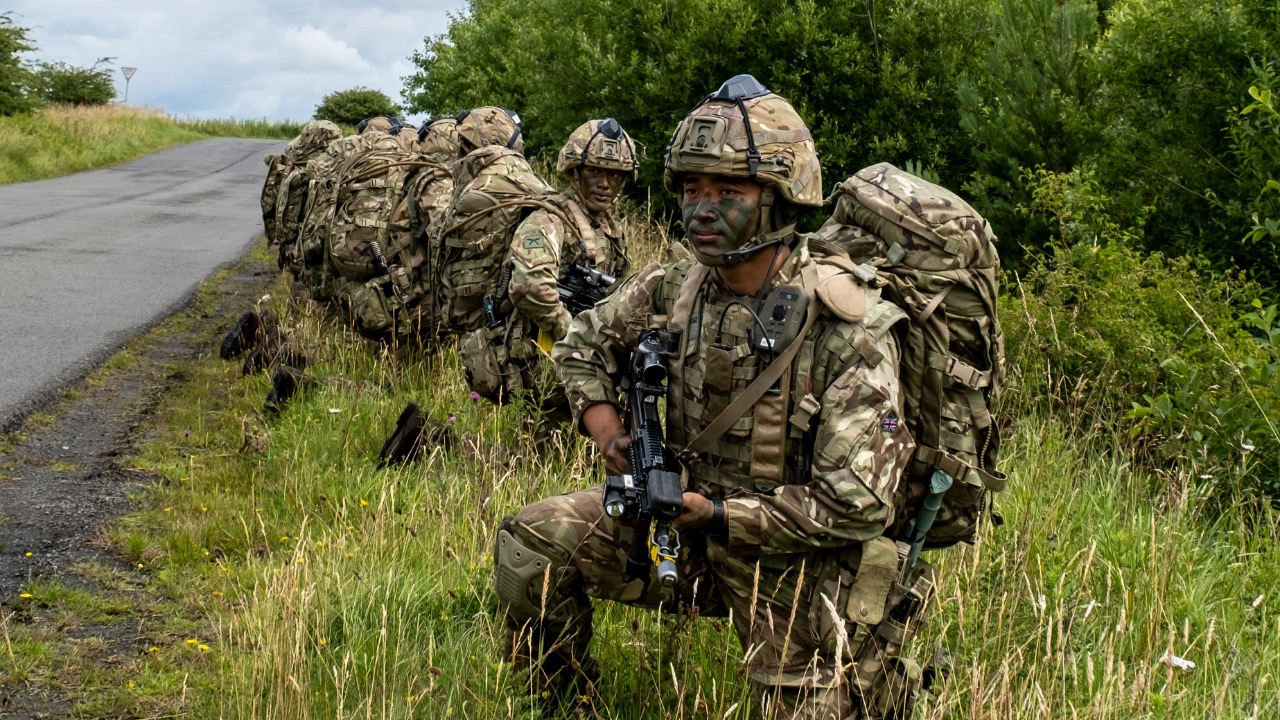
Pentagon faces scrutiny over reported troop casualties in ongoing conflict
American troops are in the fight again. Missiles, drones, and ground operations in the Middle East have produced a steady stream of wounded and dead. Yet the official numbers coming from the Pentagon keep raising questions — and eyebrows.
As Operation Epic Fury continues against Iranian forces, reports of U.S. casualties have climbed week after week. But independent analysis and statements from inside the defense world suggest the full picture may not be reaching the public.
Rising numbers that don’t always add up
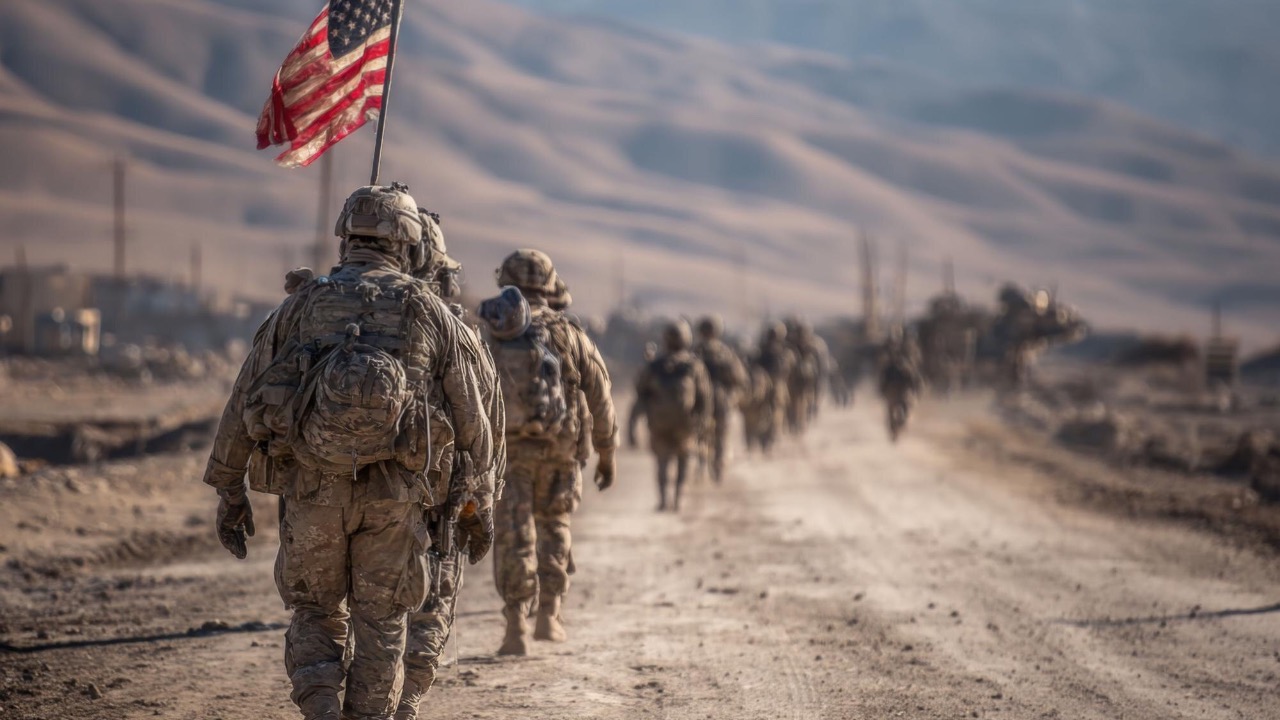
According to the Pentagon’s own updated casualty database as of early April 2026, Operation Epic Fury has seen 365 U.S. troops wounded in action and 13 killed. Earlier in March, officials confirmed smaller clusters: six deaths from one strike, additional losses in aircraft incidents, and dozens wounded in base attacks.
Yet investigations, including one by The Intercept, paint a broader and more concerning tally. Since October 2023 — covering attacks tied to regional tensions and the current escalation — nearly 750 U.S. troops have been killed or wounded across the Middle East. That includes incidents before the full outbreak of open conflict with Iran.
Critics point to repeated use of outdated figures by U.S. Central Command (CENTCOM). One public statement cited roughly 303 wounded — a number already several days old and missing later strikes, such as one on a Saudi air base that injured at least 15 more troops.
A defense official speaking anonymously described the situation as a “casualty cover-up,” claiming the White House and Pentagon want to keep the true scale under wraps to avoid political fallout.
How casualties are counted — and questioned
The Pentagon tracks deaths and injuries through the Defense Casualty Analysis System. “Killed in action” and “wounded in action” have clear definitions, but the timing of updates and what gets included can create gaps.
Some injuries counted as minor allow troops to return to duty quickly. Others, like those from drone strikes or missile attacks on bases in Kuwait, Saudi Arabia, and aboard ships, add up fast. Aircraft losses, including an F-15E incident and a KC-135 crash, have also contributed to the toll.
Pentagon spokesmen have emphasized that the vast majority of wounds have been minor, with many service members returning to duty. Still, the steady climb — from initial reports of a handful killed to double digits, and wounded numbers moving from around 140 to over 300 in weeks — has fueled demands for greater transparency.
Why the scrutiny matters
In any conflict, accurate casualty reporting affects everything from public support to battlefield decisions. Families of service members want straight answers. Lawmakers expect honest assessments when authorizing or funding operations. And troops on the ground deserve to know the real risks they face.
When official statements lag behind field reports or appear to minimize numbers, trust erodes. This isn’t the first time casualty figures have come under fire during Middle East operations, but the speed and intensity of the current fighting with Iran have put a sharper spotlight on the issue.
Some voices inside the military worry that downplaying losses could lead to poorer planning or reduced readiness. Others argue the focus should stay on mission success rather than daily body counts.
The human cost behind the numbers
Behind every figure is a service member — sons, daughters, husbands, wives, and parents. The dignified transfers of remains, the quiet notifications to families, and the long recoveries for the wounded happen far from the briefing rooms in Washington.
As the conflict stretches on, with Iranian retaliation and U.S. strikes continuing, the casualty list is likely to grow. How those numbers are reported will shape how Americans view the operation and the sacrifices being made.
The Pentagon insists it provides accurate data as quickly as possible while protecting operational security. Critics say outdated or incomplete releases do the opposite — they hide the true price being paid by U.S. forces.
In the end, wars are measured in more than territory gained or targets destroyed. They are measured in the lives changed and lost. When those numbers come under scrutiny, it’s a reminder that transparency isn’t just good policy — it’s a basic duty to the men and women who wear the uniform.

Leo’s been tracking game and tuning gear since he could stand upright. He’s sharp, driven, and knows how to keep things running when conditions turn.