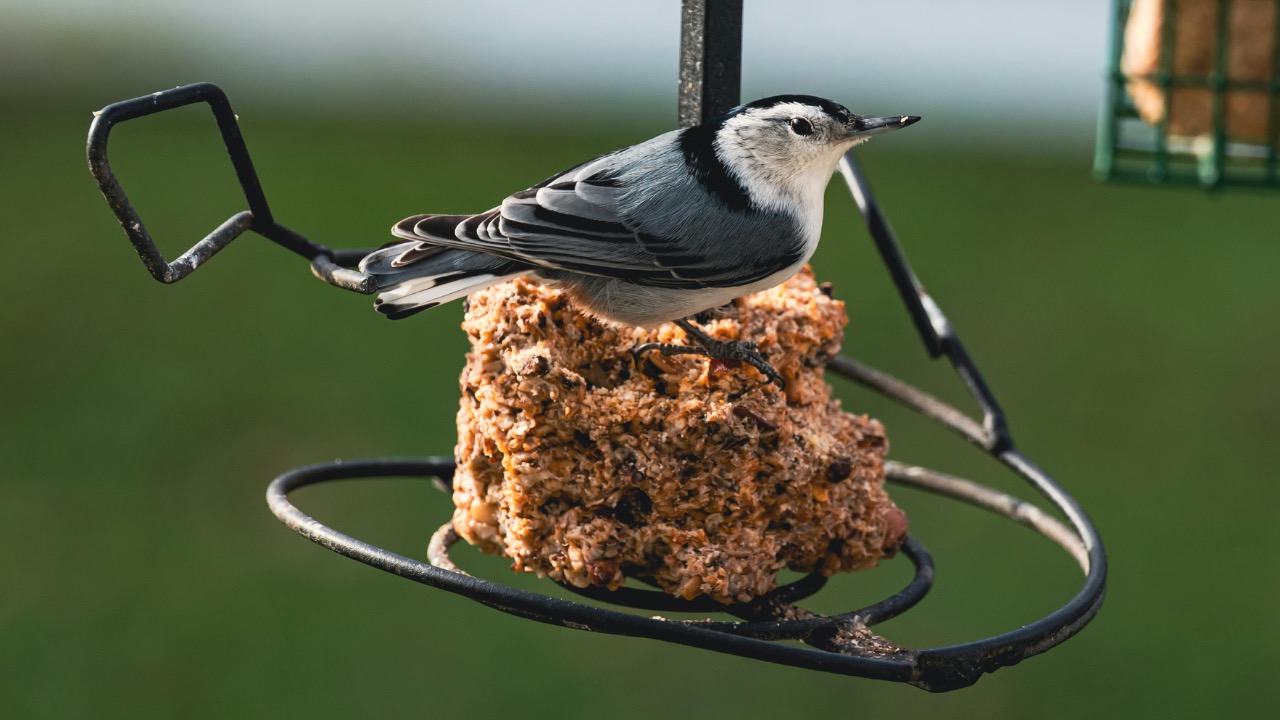
Fourteen DIY Bird Feeders That Bring More Wildlife to Your Yard
If you spend enough time outdoors, you start noticing patterns. Birds don’t just show up anywhere. They follow food, cover, and consistency. A good feeder doesn’t need to look fancy, and it doesn’t need to come from a store. What matters is placement, durability, and whether it matches how birds actually feed. The best DIY setups often come from using what you already have and letting function lead the design.
When you build feeders with intention, you don’t just draw songbirds. You’ll see woodpeckers, doves, squirrels, chipmunks, and the occasional curious critter checking things out. These designs focus on practical builds that hold up outside and keep birds coming back.
Upside-Down Mason Jar Feeder
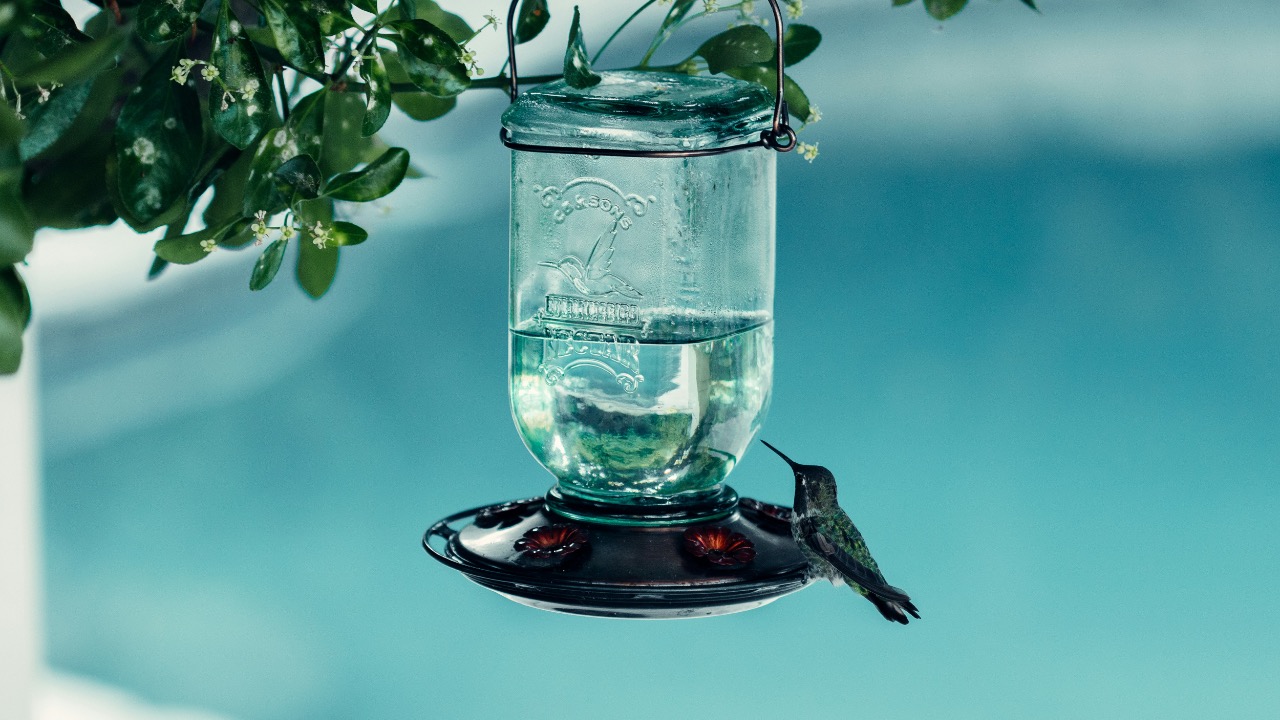
An upside-down mason jar feeder works because gravity does the work and rain stays out. You drill small holes near the lid, flip the jar over, and let seed trickle onto a shallow tray or wooden base. It keeps food dry and cuts down on waste.
This design attracts chickadees, finches, and nuthatches that like to cling and peck. Hung from a branch or mounted on a post, it stays usable even after storms. You’ll appreciate how easy it is to refill without dumping seed everywhere. It’s low effort, steady, and reliable through changing weather.
Suet Log Feeder
A suet log feeder starts with a short section of untreated log drilled with deep holes. Pack those holes with suet or a peanut butter mix, then hang it vertically. Woodpeckers take to it almost immediately.
This feeder feels natural to birds that prefer bark and vertical surfaces. It holds up well in cold weather and doesn’t blow apart like wire cages. You’ll notice fewer aggressive birds and more species cycling through. The log also weathers into the landscape instead of standing out like a store-bought feeder.
Shallow Rock Basin Feeder
A shallow rock basin feeder works double duty as a food and water source. Find a flat stone with a natural depression or carve one shallow enough to hold seed. Place it on a stump or low table.
Ground-feeding birds like sparrows, juncos, and mourning doves use it naturally. Because it sits still and feels solid, wary birds trust it quickly. You’ll need to clean it regularly, but the payoff is variety. This setup blends into the yard and draws birds that avoid hanging feeders.
Hanging Tin Can Feeder
A hanging tin can feeder uses cleaned cans laid sideways with small perches added underneath. Punch drainage holes so water doesn’t collect.
This feeder appeals to birds that don’t mind tight spaces, like wrens and chickadees. The metal sheds rain and lasts longer than plastic. Hung under cover, it stays dry and dependable. You’ll find birds using it even when other feeders empty faster. It’s a good way to reuse scrap without overthinking the design.
Brush Pile Tray Feeder
A brush pile tray feeder combines a flat tray with nearby cover. Build a simple wooden tray and place it beside a brush pile or fallen limbs.
Birds feel safer feeding close to escape routes. You’ll see cardinals, towhees, and thrashers move in quickly. The tray lets you offer mixed seed without forcing birds to cling or balance. It’s also easy to clean and refill. This setup works especially well during colder months when birds want shelter nearby.
Gourd Shell Feeder
A dried gourd feeder uses natural shapes birds already recognize. Cut an opening, add drainage holes, and hang it from a tree limb.
Smaller birds like wrens and finches feel comfortable feeding from enclosed spaces. The thick shell insulates seed from moisture and temperature swings. Over time, birds treat it as part of the environment instead of a foreign object. You’ll get steady use without constant maintenance, and it weathers nicely through the seasons.
Fence-Post Platform Feeder
A fence-post platform feeder mounts directly on a cut post or flat rail. Build a shallow box with raised edges and attach it solidly.
This feeder handles heavier birds like jays and doves without tipping. Because it doesn’t swing, birds feed calmly instead of darting in and out. You can watch behavior patterns more clearly from a fixed platform. It also makes refilling quick and controlled. Placement matters, but once set, it becomes a dependable stop.
Coconut Shell Feeder
A coconut shell feeder uses half shells drilled with drainage holes and hung with rope or wire. Fill them with seed or suet mix.
The rough surface gives birds good footing, and the curved shape shields food from rain. Woodpeckers, titmice, and nuthatches figure it out fast. It lasts longer than thin plastic feeders and doesn’t crack in cold weather. This feeder attracts birds that prefer texture and grip over smooth surfaces.
Hay Bale Nook Feeder
A hay bale nook feeder uses a small bale with pockets pressed into the sides and filled with seed. Set it on the ground in a quiet corner.
Ground feeders and larger birds use it naturally, and the hay adds cover. As it breaks down, it still holds food and attracts insects. This feeder changes over time instead of wearing out. You’ll notice birds lingering longer and feeding more calmly compared to open trays.
Driftwood Hanging Feeder
A driftwood hanging feeder uses weathered wood pieces wired together to hold seed trays or suet.
Birds respond well to natural textures and irregular shapes. This feeder moves slightly but not enough to spook cautious species. It holds up well outdoors and doesn’t rot quickly. You can adjust height and spacing to control which birds use it. It’s especially effective near wooded edges where birds expect natural materials.
Old Toolbox Feeder
An old metal toolbox feeder works when mounted open with drainage holes added.
It creates a deep feeding area protected from wind. Larger birds like jays and grackles use it, while smaller birds wait their turn. The weight keeps it stable, and the lid can be adjusted to manage access. This feeder handles rough weather better than lightweight builds and stays functional year-round.
Bark Slab Feeder
A bark slab feeder uses thick bark pieces mounted flat or angled. Spread suet or seed paste directly onto the surface.
This setup mimics natural feeding and draws insect-eating birds. Nuthatches and woodpeckers work it thoroughly. There’s no container to break or clog. You’ll need to refresh food more often, but birds recognize it immediately. It’s especially effective during colder months when insects are scarce.
Window Ledge Feeder
A window ledge feeder uses a shallow tray mounted outside a window frame.
Birds get used to it quickly if placed near cover. You’ll see close-up behavior without startling them. The key is keeping it clean and shallow. This feeder works best for small songbirds and lets you monitor feeding habits daily. It’s practical for smaller yards where space is limited.
Root Ball Ground Feeder
A root ball feeder uses an uprooted stump or root mass laid flat with seed scattered in crevices.
Birds already search roots for food, so this feels natural. Ground feeders and scratchers spend time working through it. As weather and insects interact with the wood, it becomes more productive over time. This feeder blends completely into the yard and keeps birds engaged longer than open ground feeding.

Asher was raised in the woods and on the water, and it shows. He’s logged more hours behind a rifle and under a heavy pack than most men twice his age.