What wildlife experts say about increasing predator encounters
You don’t have to spend long in the woods to notice something’s changed. Tracks show up closer to trailheads. Game cameras catch more than deer. Stories that used to sound rare—close calls, bold animals, daylight encounters—are getting told more often, and by people who know the difference between hype and reality.
Wildlife experts aren’t brushing it off, but they’re not panicking either. What they’re saying lines up with what you’re seeing: predator encounters are increasing in certain places, and there are real reasons behind it. If you spend time outdoors, it’s worth understanding what’s driving it.
Predator Populations Have Rebounded in Key Regions
For decades, large predators were pushed hard across much of the country. Regulations, habitat loss, and open pressure kept numbers down. Over time, management shifted, and in many areas, populations have come back.
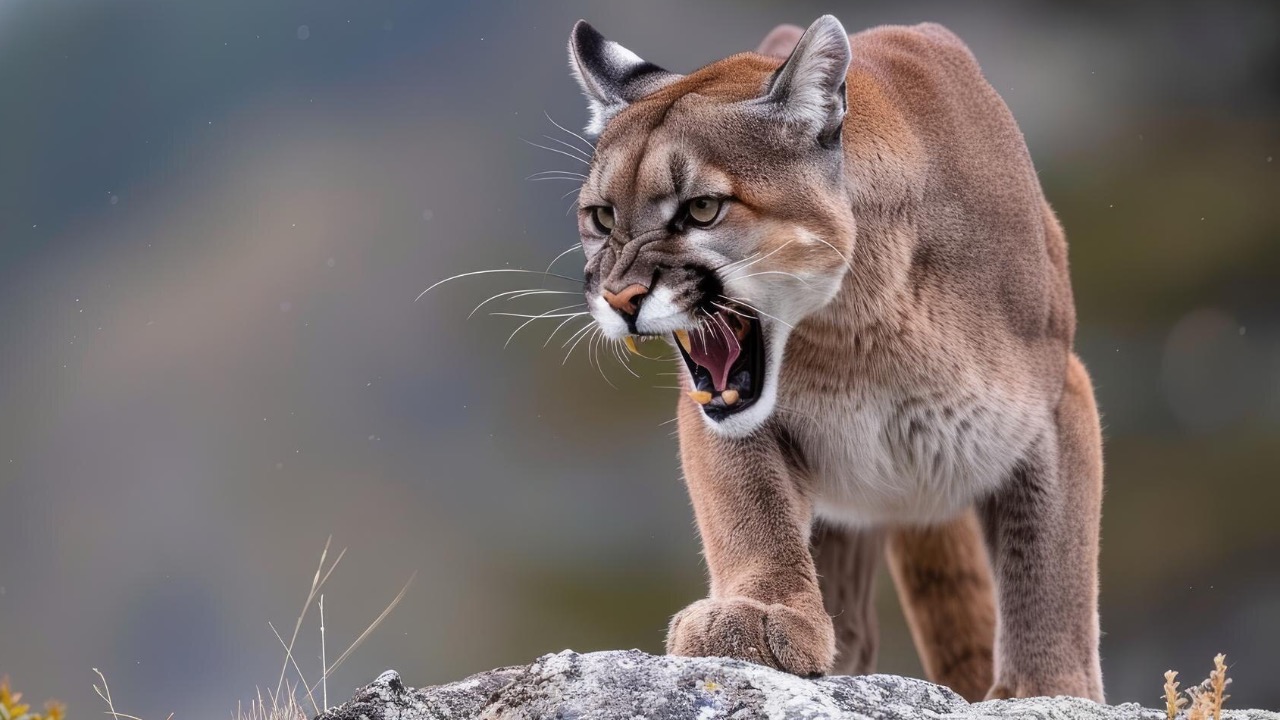
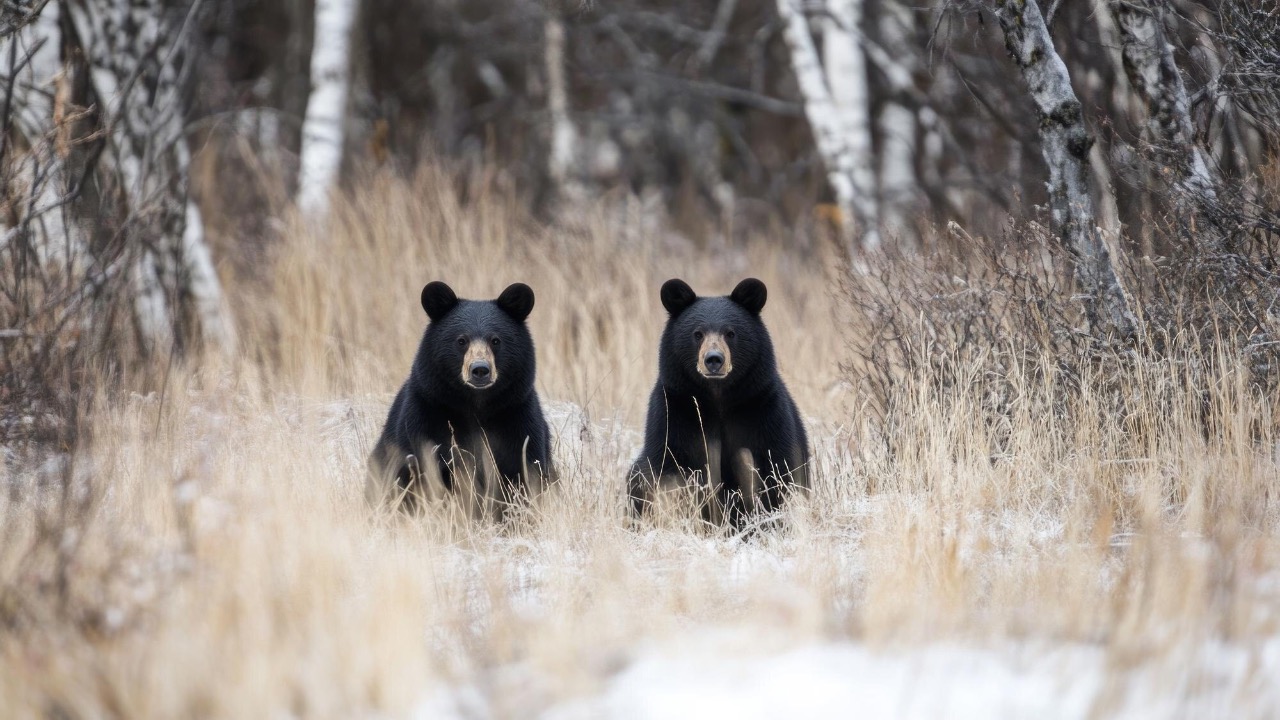
Biologists point to species like mountain lions, black bears, and wolves showing steady growth in parts of their historic range. That doesn’t mean they’re everywhere, but where habitat and prey line up, they’re holding strong. More predators on the landscape naturally lead to more chances of crossing paths. It’s not complicated math, but it does change what you might run into on a morning hike or a quiet sit.
Expanding Suburbs Are Creating Overlap Zones
Development isn’t stopping, and it’s pushing deeper into what used to be open ground. As neighborhoods expand, they don’t replace wildlife—they mix with it.
Experts often describe these edges as overlap zones. You’ve got food sources like pets, trash, and landscaping, combined with nearby cover. Predators learn quickly. A lion cutting through a greenbelt or a bear working the edge of town isn’t out of place anymore. You’re seeing more encounters not because animals are invading, but because people and predators are using the same ground at the same time.
Prey Availability Is Shaping Predator Movement
Predators go where the food is. When deer, elk, or smaller game shift patterns, predators follow. That’s been a consistent takeaway from field studies.
In some areas, mild winters and land use changes have helped prey populations grow. In others, drought or pressure pushes them into new ground. Either way, predators adjust fast. If you’re seeing more sign or activity, there’s a good chance the food base nearby is strong. You might not notice the prey shift right away, but the predators will.
Younger Predators Tend to Take More Risks
Wildlife experts often point to age structure when talking about encounters. Younger animals—especially dispersing males—are more likely to move into unfamiliar areas and take chances.
They haven’t learned caution the way older animals have. That’s when you get sightings near roads, homes, or heavily used trails. It’s not aggression as much as inexperience. Over time, many of those animals either settle into better habitat or don’t make it. But during that window, you’re more likely to see behavior that feels bold compared to what people remember from years past.
Human Behavior Is Part of the Equation
It’s easy to focus on predators, but people play a role in how these encounters unfold. Leaving food out, running trails at dawn and dusk, or moving quietly through thick cover all increase the odds.
Experts consistently point out that many close encounters happen because neither side knew the other was there until the last second. Noise, awareness, and basic precautions go a long way. You don’t have to change everything you do outdoors, but small habits—like keeping a clean camp or paying attention to wind and visibility—can make a real difference.
Seasonal Patterns Drive Encounter Rates
Encounters aren’t evenly spread through the year. Certain seasons bring more movement, and that’s when reports tend to spike.
Spring can mean hungry animals coming out of winter. Fall brings increased activity tied to breeding or prey movement. In between, weather events like drought or heavy snow can shift patterns fast. Wildlife managers track these trends closely because they help explain why one month feels quiet and another feels active. If you time your hunts or trips around those patterns, you start to see the rhythm behind it.
Predator Behavior Hasn’t Changed as Much as You Think
One thing experts are clear on—predators haven’t suddenly become more aggressive across the board. Their core behavior is still built around avoiding people.
What’s changed is the frequency of overlap. When you have more animals, more people, and shared space, encounters naturally rise. Most of those encounters end without incident. Understanding that helps keep things in perspective. You’re not stepping into a different world—you’re stepping into one where the margins are a little tighter.
Technology Is Revealing What Was Always There
Trail cameras, mapping apps, and social media have changed how information spreads. A single sighting now reaches thousands of people in minutes.
Experts say that visibility matters. Some of what feels like an increase is better reporting and awareness. You’re seeing photos and videos that never would have surfaced before. That doesn’t mean the encounters aren’t real—it means you’re hearing about more of them. When you combine that with actual population gains in some areas, it creates a stronger sense that things are picking up.
You don’t need to overthink it, but you shouldn’t ignore it either. Predators are part of the landscape, and in many places, they’re holding steady or growing. If you spend time out there, you’ll cross paths eventually.
The guys who stay sharp, read the ground, and understand what’s happening around them aren’t surprised when it does.

Asher was raised in the woods and on the water, and it shows. He’s logged more hours behind a rifle and under a heavy pack than most men twice his age.