Fighter jet incident near Iran raises new questions about escalation
You’ve been tracking the tensions in the Middle East, and this one hits different. A U.S. fighter jet went down over Iranian territory yesterday, the first time Iran has shot down a manned American aircraft since the conflict kicked off five weeks ago. One crew member is safely back with U.S. forces. The other remains missing, with search teams still working in tough conditions. It happened in southwestern Iran, and the details coming in paint a picture of a high-stakes operation that suddenly got a lot more complicated. This isn’t abstract strategy talk anymore. Real people are on the ground, real aircraft are lost, and the questions about where things go from here feel immediate.
What actually happened with the jet
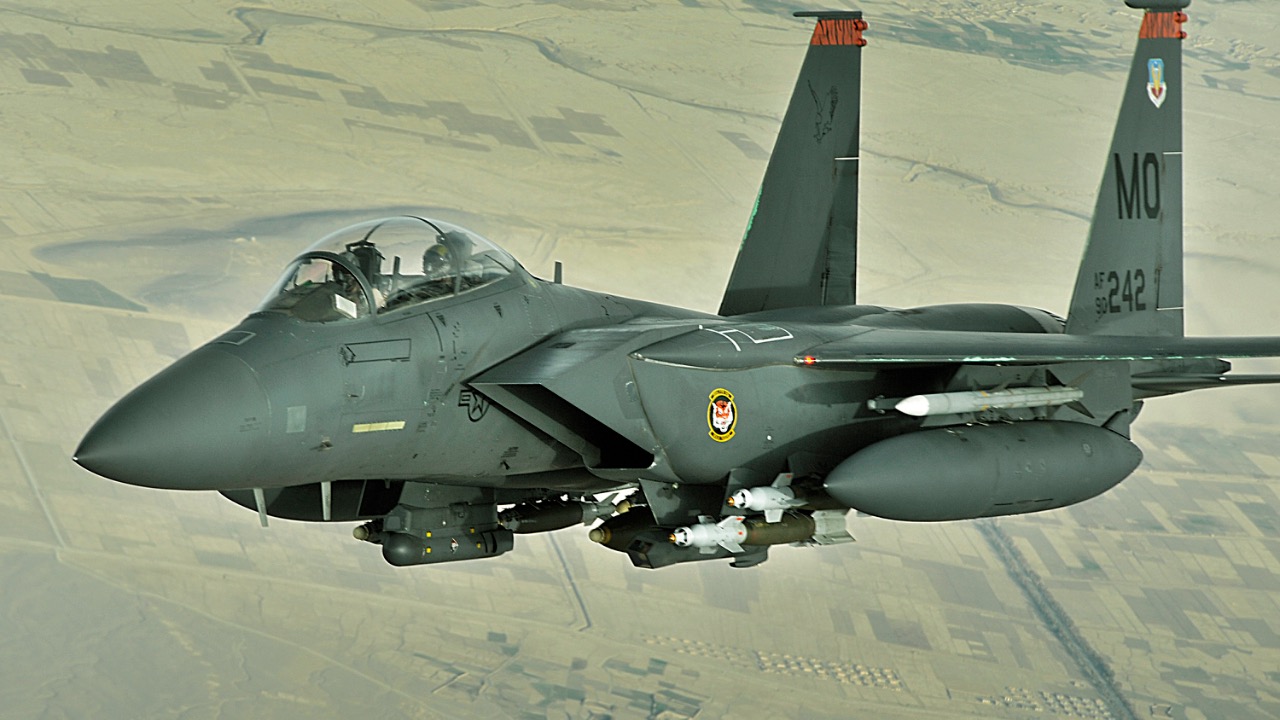
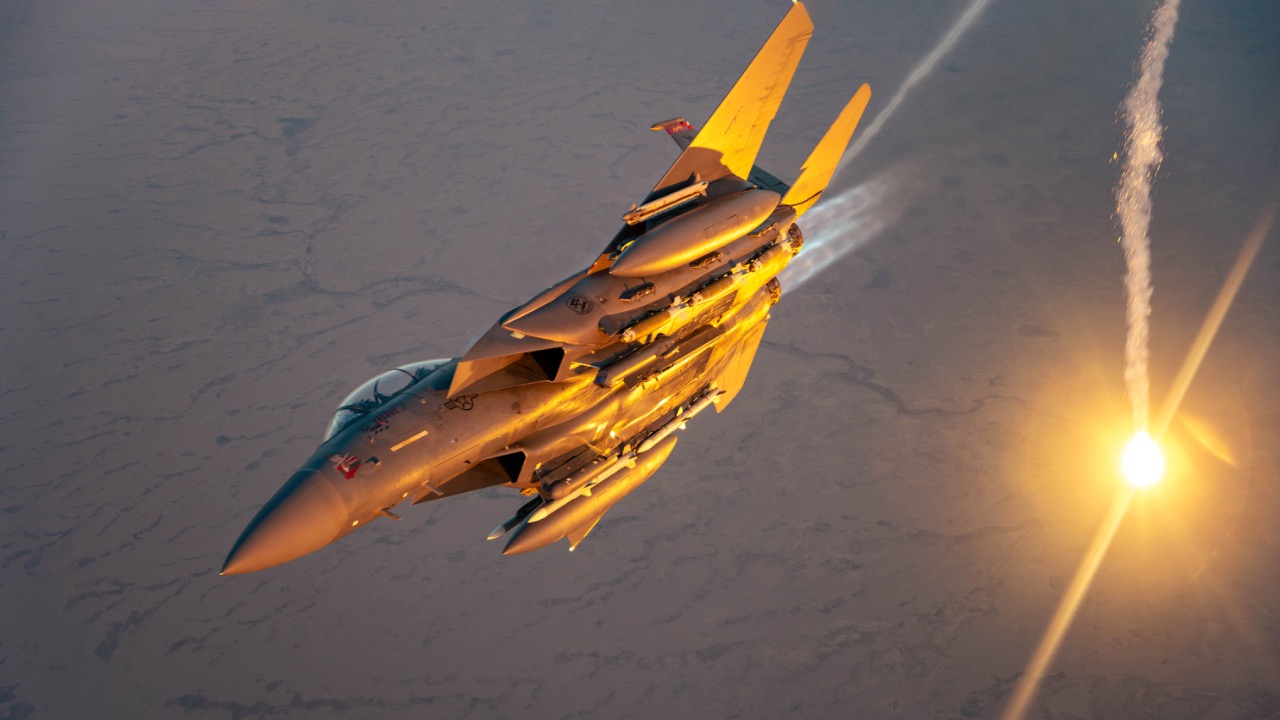
You saw the reports start rolling in late Friday. An F-15E Strike Eagle, a two-seat fighter used for ground attacks and air superiority, was brought down by Iranian air defenses. U.S. officials confirmed the loss over the southwestern part of the country, near Khuzestan province. The plane was on a mission tied to the wider air campaign when it was hit. Iranian state media quickly claimed responsibility and shared images they said showed the wreckage. American sources have verified the aircraft type and the shoot-down but pushed back on some of the broader Iranian statements about other planes. The timing matters here because it came during a period of intensified strikes on both sides.
This marks a shift. Until now, U.S. and allied aircraft had operated with relative impunity in the region. Losing a jet like this inside Iranian airspace changes the risk calculation for every flight crew out there right now. You can see why crews and commanders are reassessing routes and threat levels on the spot.
The crew and the immediate rescue push
Two people were aboard that F-15E. One was recovered by U.S. search-and-rescue teams in a fast-moving operation. The second crew member ejected and remains unaccounted for, with American forces actively looking in a remote, mountainous area. Helicopters involved in the effort took some fire but made it back to base with injuries reported among the crews. Israeli forces reportedly paused their own strikes to avoid complicating the rescue. That level of coordination tells you how seriously everyone is treating the situation on the ground.
You hear about these rescues in training exercises, but this is the real thing. The missing airman is now the focus of a race against time and terrain. Iranian officials have even floated rewards for locals who help locate the crew, which adds another layer of urgency to the American effort.
How Iran framed the incident
Iranian military spokespeople described the downing as a clear success for their air defenses. They pointed to advanced systems that tracked and engaged the jet over their own territory. State media ran footage and statements emphasizing the defensive nature of the action. At the same time, they pushed claims about additional U.S. aircraft being hit, including one near the Strait of Hormuz. U.S. Central Command has disputed some of those specific assertions, noting that all their aircraft are accounted for except the confirmed F-15E case.
This back-and-forth is familiar in any conflict, yet it matters because it shapes what both publics hear and what leaders feel they have to respond to. You notice how quickly the narrative moves from the facts on the ground to the larger story each side wants to tell.
The wider conflict this fits into
The war between the United States, Israel, and Iran has been running since late February, with strikes hitting infrastructure and military targets across the region. Oil facilities, air bases, and supply lines have all seen action. The downed jet comes at a moment when President Trump has publicly warned of further pressure on Iranian civilian infrastructure if attacks continue. That rhetoric has been consistent, but an incident like this forces everyone to confront the possibility that the fighting could widen or intensify faster than planned.
You step back and see the pattern: tit-for-tat responses that have gradually raised the stakes. What started as targeted operations now includes manned aircraft losses and active rescue missions deep in contested airspace. The geography matters too. Southwestern Iran sits near key energy routes and borders that affect the entire Gulf.
Why this incident raises fresh escalation questions
Losing a fighter jet inside enemy territory is not routine. It forces planners in Washington and allied capitals to weigh the cost of continued operations against the risk of losing more assets or personnel. You can see the concern in the expert commentary already circulating. Analysts point out that Iran has demonstrated a credible ability to reach U.S. aircraft, which could change how future missions are flown. At the same time, the U.S. rescue effort shows determination to bring everyone home, signaling resolve without immediate large-scale retaliation.
The missing crew member adds human stakes that go beyond strategy briefings. Families are waiting for news, and that reality tends to concentrate minds in every government involved. The question everyone is circling is whether this becomes a turning point or stays contained within the current pattern of strikes.
U.S. officials’ early response
The Pentagon and White House have kept statements measured so far. They confirmed the loss of the F-15E, the partial success of the rescue, and the ongoing search. President Trump noted that the incident would not derail ongoing diplomatic efforts, according to reports from those close to the discussions. Military spokespeople emphasized that all other aircraft remain accounted for and that operations continue.
You read between the lines and sense the careful balance they are trying to strike. Acknowledge the setback, protect operational security, and avoid handing Iran a propaganda win. Behind closed doors, though, you know the planning sessions are intense as they game out next steps.
What this means for the region right now
The Strait of Hormuz and surrounding waters remain a flashpoint, with shipping and energy flows directly in play. Neighboring countries are watching closely, adjusting their own postures in case the conflict spills further. Oil prices have reacted, and markets are pricing in uncertainty about how long this phase will last. On the ground in Iran, the government has used the event to rally domestic support around its defenses.
You look at the map and realize how interconnected everything is. One jet down in the southwest ripples outward to energy markets, diplomatic channels, and military bases across multiple countries. The human element—the missing airman—keeps the story anchored in something concrete rather than abstract percentages of escalation risk.
Where things stand as the search continues
As of today, the focus stays on locating the second crew member while keeping the broader mission going. U.S. forces are operating in a high-threat environment, and every update carries weight. Iranian media continues to broadcast their version of events, while American officials stick to verified details. The conflict has not paused, but this incident has sharpened attention on the human and operational costs in a way previous exchanges did not.
You follow these stories knowing the next few hours or days could shift the picture again. For now, the facts on the table are clear enough: a jet is down, one person is safe, one is still out there, and the questions about what comes next feel more pressing than they did yesterday.

Asher was raised in the woods and on the water, and it shows. He’s logged more hours behind a rifle and under a heavy pack than most men twice his age.