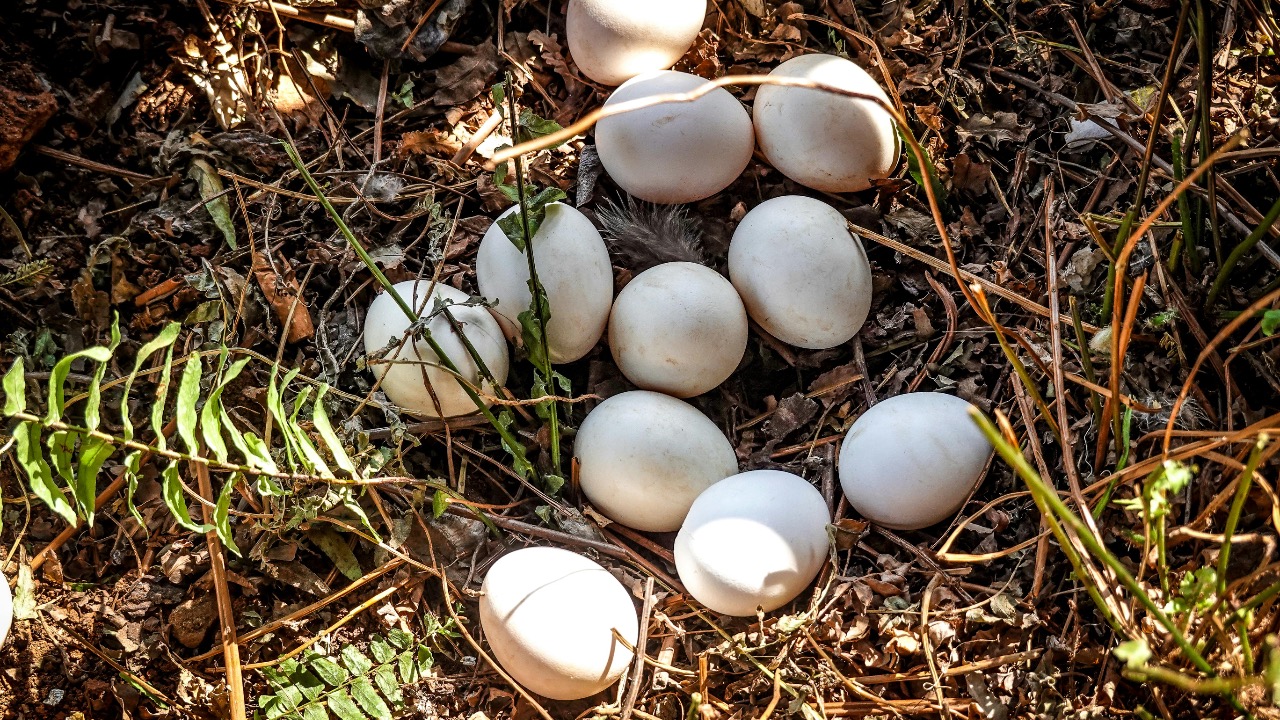
Scientists encouraged by rare egg from endangered condors
A rare egg laid by a critically endangered California condor has given scientists a fresh reason to hope for the species’ long-term survival. The discovery comes from a captive breeding program that has already pulled the birds back from the brink and hints at surprising reproductive twists that could reshape how conservationists manage the population.
Researchers see this single egg not just as one more potential chick, but as part of a deeper story about condor genetics, unusual reproduction and the fragile recovery of one of North America’s largest birds.
What happened
The latest egg comes from a California condor in a managed breeding program, one of a network of facilities that work together to rebuild the species’ numbers. These programs track every bird in detail, pairing males and females to maximize genetic diversity and closely monitoring each nesting attempt. When a female lays an egg, staff record the timing, ancestry and behavior of the parents, then decide whether to leave the egg in the nest or move it to an incubator.
This egg drew attention because of the mother’s history and the careful records surrounding her. The breeding team had not expected another viable egg from this particular female, whose age and reproductive past suggested that her contribution to the program might be winding down. The appearance of a healthy, well-formed egg shifted that calculus and prompted a new round of genetic planning for the next generation of condors.
Captive condor eggs are fragile investments. Staff often candle them, shining light through the shell to check for development, and they can intervene if a chick struggles to hatch. Every viable egg is logged into a shared database that tracks the entire population as a single, coordinated flock, even though the birds are spread across zoos, breeding centers and release sites in California, Arizona, Utah and Baja California. The new egg went straight into that system, flagged as a potential future breeder if it survives and eventually joins the wild or captive flock.
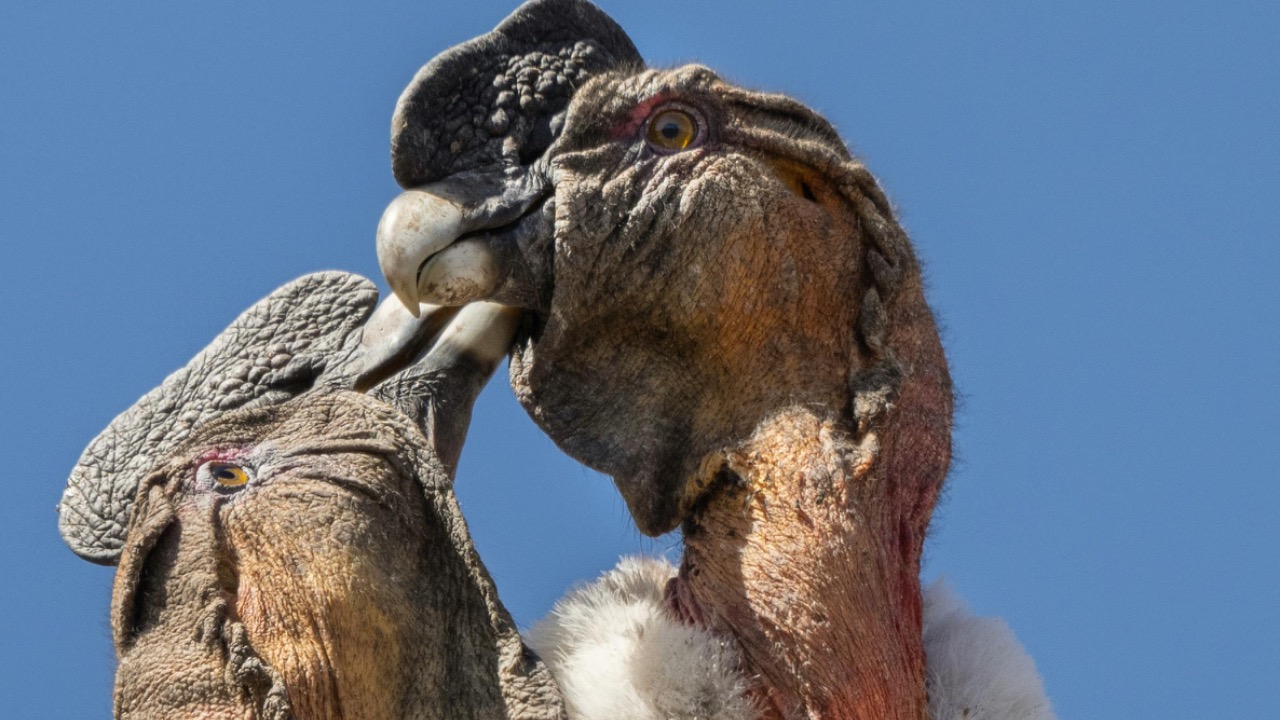
The broader context for this egg is a species that once slipped to just a few dozen individuals. California condors were driven down by lead poisoning from scavenged ammunition, habitat loss and persecution. By the late twentieth century, biologists captured the last wild birds to start an emergency captive breeding effort. From that tiny group, every living condor today descends. That history makes each new egg a small but concrete step away from extinction.
Researchers have also been reexamining condor reproduction more generally, prompted by unusual findings in the breeding records. Genetic tests on some chicks have revealed that not all condor births follow the expected pattern of one mother and one father. In a few cases, scientists discovered chicks whose DNA matched only their mothers, with no genetic contribution from any male in the flock. Those findings, described in interviews about female condors reproducing, have forced conservationists to look more closely at every egg and chick in the program.
The rare egg now under watch is part of this more careful scrutiny. The breeding team will confirm its parentage through standard genetic checks once the chick hatches, or if the egg fails and tissue samples can be analyzed. Either way, the egg adds another data point to a growing picture of how condors reproduce under intensive human management.
Why it matters
For a species as imperiled as the California condor, one egg is never just one egg. The entire population descends from a tiny founder group, so each new bird carries a precious mix of genes that managers are trying to spread as widely as possible. The goal is to avoid inbreeding and maintain enough genetic variation for the species to adapt to future threats, from disease to climate shifts.
The mother of the new egg traces back to specific founders that are underrepresented in the current flock, making her offspring especially valuable. If the chick survives, it can eventually be paired with a mate whose ancestry complements its own, strengthening a line that might otherwise fade from the gene pool. Conservation planners use software to model these pairings, treating each bird as a living piece of a long-running puzzle.
The discovery of past condor chicks produced without a male complicates that puzzle but also expands the range of possibilities. Those cases involve parthenogenesis, a form of asexual reproduction in which an egg develops into an embryo without fertilization. In the condor program, scientists identified two male chicks whose DNA matched only their mothers. No male, living or dead, could be linked to them through genetic testing, even though the females had access to mates.
Parthenogenesis is known in some reptiles, fish and birds, but it usually appears in females that lack access to males. The condor cases are unusual because the females were housed with males and had produced normal, sexually conceived chicks before and after the parthenogenetic offspring. That pattern raises questions about what triggers this type of reproduction in condors and how often it might occur without being recognized.
If parthenogenesis proves more common than the two documented cases, it could influence how managers interpret genetic data from new chicks. A chick that appears to have only one parent might not be the result of a missed mating record or a lab error, but of a different reproductive pathway. In practical terms, parthenogenetic chicks are more genetically uniform, carrying only a subset of their mother’s DNA rather than a blend from two parents. That makes them less helpful for boosting overall diversity, even though they still add to raw numbers.
At the same time, the existence of parthenogenesis in condors hints at a hidden capacity for reproduction when mates are scarce. In theory, a lone female could produce offspring without a male, which might help the species persist through periods of extreme scarcity. For conservationists, that possibility is both intriguing and a reminder of how little is known about the biology of even well-studied endangered birds.
The new egg sits at the intersection of these issues. If it turns out to be a standard, sexually produced chick, it will still carry important genes forward. If it shows signs of parthenogenesis, it will add to a tiny but scientifically significant sample that could reshape understanding of condor reproduction. Either outcome will inform how the breeding program sets priorities in the next breeding season.
Beyond genetics, the egg symbolizes the ongoing success and limits of captive breeding. The condor population has climbed from a few dozen to hundreds of birds, with a growing share living in the wild. Yet the species remains dependent on human intervention. Lead poisoning from bullet fragments in carcasses still kills condors that feed on hunted animals. Power line collisions and habitat pressures add further risks. Without continued releases from captive programs and intensive field management, the gains of the past decades could stall or reverse.
Each new chick, including the one that might emerge from this egg, faces those hazards once it leaves the safety of the breeding center. Field teams monitor released birds with wing tags and transmitters, track their movements and intervene when a condor shows signs of poisoning or injury. The more chicks the program can produce, the more resilient the population becomes in the face of these ongoing threats, but the underlying dangers remain.
The egg also highlights how closely science and management are intertwined in condor recovery. Geneticists, field biologists, veterinarians and policy specialists all feed information into decisions about which eggs to prioritize, which birds to release and where to focus habitat protection. A single egg can influence that planning, especially when it comes from a female with unusual reproductive history or rare ancestry.
What to watch next
The immediate question is whether the egg will hatch and produce a healthy chick. Over the coming weeks, staff will monitor its development, checking its weight loss pattern (a normal part of incubation) and watching for signs of embryo movement. If the egg reaches full term, keepers may allow the parents to handle the hatch or step in if the chick struggles. The decision will balance the benefits of natural parenting against the risk of losing a rare offspring.
Once the chick emerges, genetic testing will move to the forefront. Technicians will compare its DNA with that of the presumed parents, confirming whether it resulted from normal fertilization or from parthenogenesis. That analysis will also place the chick within the broader family tree of the condor population, telling managers how best to use it in future breeding or release plans.
If the chick is parthenogenetic, researchers will likely comb through records of other eggs from the same mother and from related females. They may look for subtle signs that could predict when a female is more likely to produce such offspring, such as age, health status or social dynamics within the breeding facility. Any pattern that emerges could inform how the program interprets genetic anomalies in the future.
Even if the egg does not hatch, it will still yield information. Unhatched eggs can be opened under controlled conditions to examine the embryo and collect tissue for DNA analysis. That process can reveal whether development stopped early or late, whether there were anatomical problems and whether the egg followed a sexual or asexual pathway. Each failed egg adds to a dataset that helps refine incubation techniques and pairing decisions.
Beyond the lab, the fate of this egg will feed into broader discussions about condor management in the wild. If the chick survives and eventually joins a release cohort, managers will decide which site to send it to, balancing genetic needs and local conditions. Some release areas might need more birds to strengthen social groups, while others might be better suited for individuals with specific traits or ancestry.
Policy debates around lead ammunition and habitat protection will continue to shape the environment that awaits any new chick. Conservation groups have pushed for non-lead alternatives in hunting, arguing that condors and other scavengers pay the price when they ingest fragments from carcasses. Regulatory changes and voluntary programs have reduced lead exposure in some regions, but the issue remains unresolved in others. The long-term value of each egg depends partly on how those policy battles play out.
Public engagement is another factor to watch. Condors have become ambassadors for endangered species recovery, drawing visitors to zoos and release sites and inspiring classroom programs. News of a rare egg can energize supporters, attract donations and encourage participation in citizen science efforts such as reporting condor sightings. That attention, in turn, helps sustain the funding and political will needed for the intensive management the species still requires.
Scientists will also watch for signs that parthenogenesis, if confirmed again, affects the health or behavior of the birds involved. So far, the documented parthenogenetic condors appeared physically normal and integrated into the flock like any other chick. Longer-term tracking could reveal whether they differ in lifespan, fertility or susceptibility to disease. If such differences exist, managers might adjust how they use those individuals in breeding plans.

Leo’s been tracking game and tuning gear since he could stand upright. He’s sharp, driven, and knows how to keep things running when conditions turn.