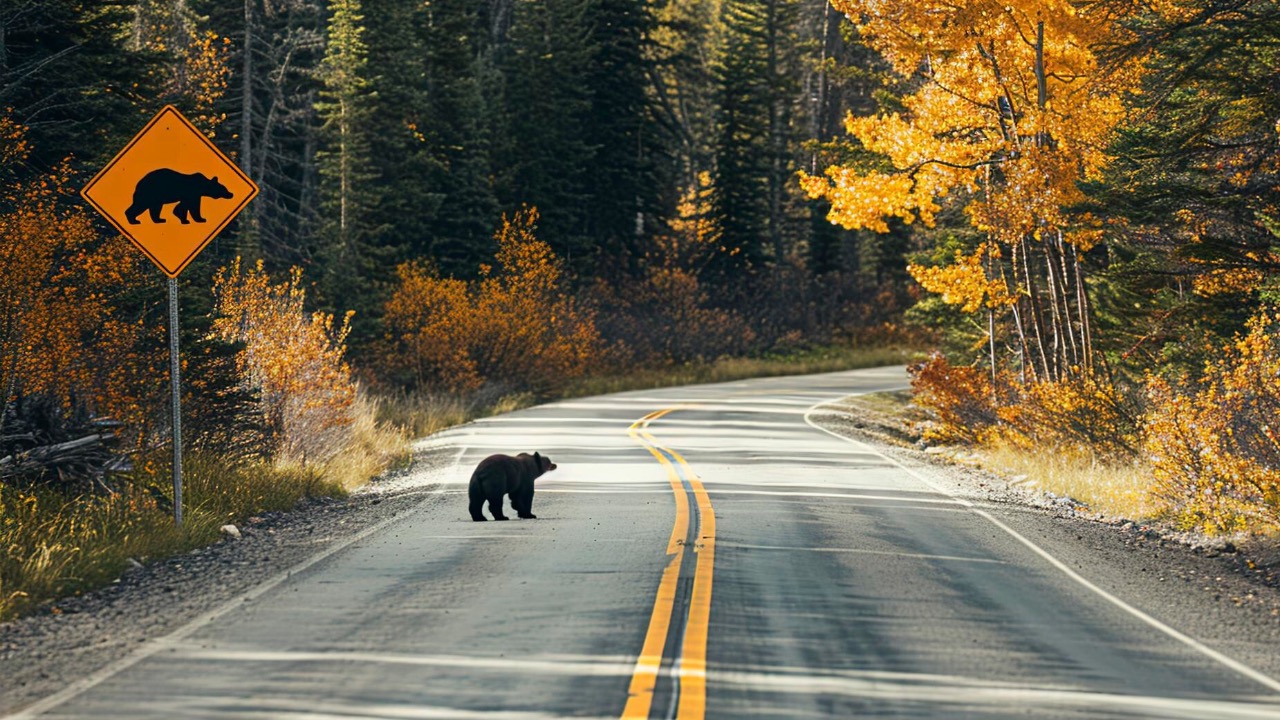
North America’s largest wildlife overpass is reducing collisions between vehicles and animals
On a busy stretch of Interstate 25 between Denver and Colorado Springs, a new piece of infrastructure is quietly changing how people and wildlife share the road. North America’s largest wildlife overpass now spans the highway, and early data show it is already cutting dangerous collisions between vehicles and large animals. The project is offering a real-world test of whether concrete, fencing, and native plants can save lives at highway speed.
What happened
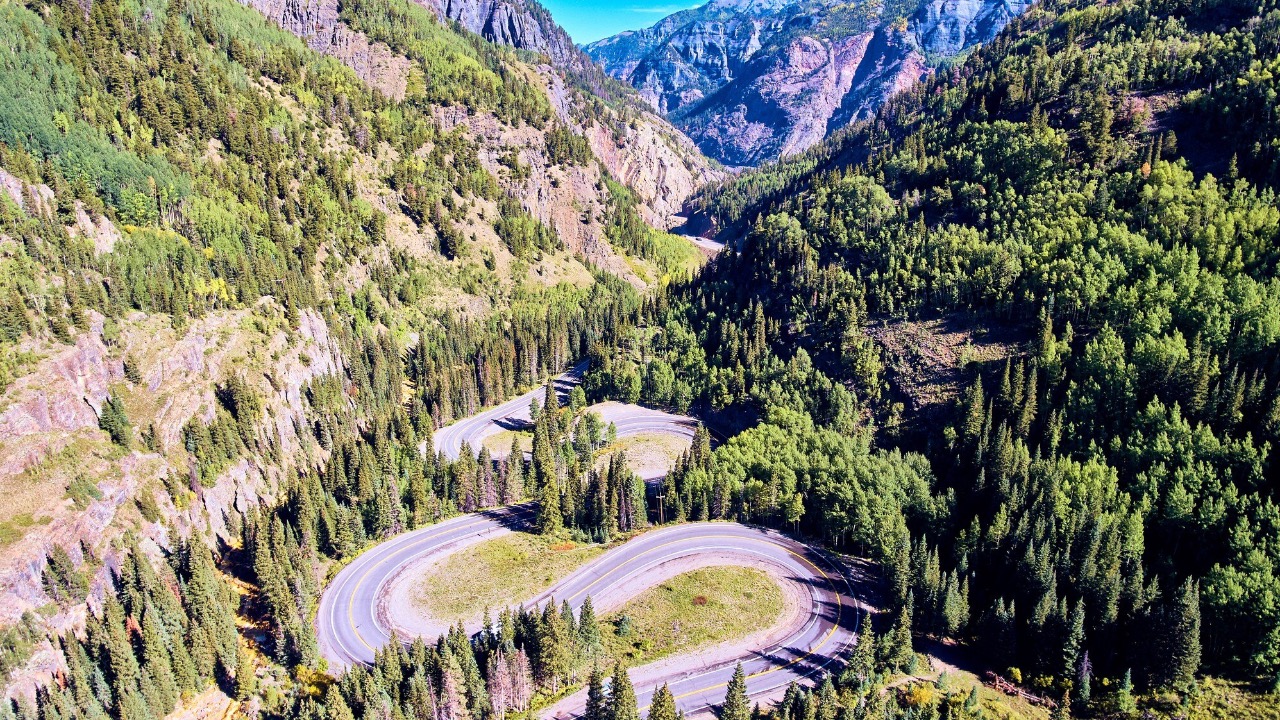
The Colorado Department of Transportation and Colorado Parks and Wildlife have completed the I-25 Greenland Wildlife Overpass in Douglas County, a vegetated bridge that carries animals over six lanes of traffic. According to the governor’s office, the structure is 281 feet long and 75 feet wide, with high earthen berms and fencing that guide animals toward the crossing and away from the roadway, making it North America’s largest wildlife overpass by footprint.
The overpass sits near the Greenland Open Space between the communities of Larkspur and Monument, in a corridor where traffic on I-25 has grown steadily as the Front Range population increases. State transportation officials identified this stretch as a hotspot for wildlife-vehicle collisions, particularly involving elk, mule deer, and black bears, which frequently move between habitat on the east and west sides of the interstate.
Construction of the bridge and its associated fencing and habitat features was part of a larger I-25 South Gap project that widened the highway and added express lanes. The wildlife crossing component cost tens of millions of dollars, according to state documents, and was funded through a mix of state transportation money, federal support, and contributions from conservation partners, as detailed in the project overview.
Engineers built the overpass with a soil and vegetation layer on top of the concrete structure, using native grasses and shrubs to mimic the surrounding landscape. High, noise-dampening walls and screening reduce headlights and engine sounds, helping animals feel like they are moving along a natural ridgeline rather than over a highway. Long stretches of wildlife fencing on both sides of I-25 funnel animals toward the structure and away from traffic lanes, a design approach that has been used in other states but never before at this scale in North America.
Motion-triggered cameras and track beds installed on the bridge show that animals began using the crossing soon after it opened. Images compiled by state biologists and conservation groups have documented elk, mule deer, black bears, coyotes, and smaller mammals moving across the vegetated span. One early monitoring report cited by a regional outlet showed dozens of successful crossings within weeks, with usage increasing as animals became accustomed to the new route, according to local coverage.
Human drivers are also seeing changes. Colorado transportation officials report a measurable drop in animal-related crashes in the project zone since the fencing and overpass came online. While full multi-year data are still being compiled, preliminary figures show a significant reduction in collisions compared with the years before construction, a trend highlighted in early summaries of the I-25 wildlife project.
Why it matters
Wildlife-vehicle collisions are a persistent safety and conservation problem across the United States, and Colorado’s Front Range is no exception. State records cited in the I-25 project planning documents show thousands of reported crashes with wildlife each year, with hundreds of injuries and dozens of human deaths statewide. The economic toll is also substantial, with each crash involving a large animal such as an elk or deer often causing thousands of dollars in vehicle damage and emergency response costs.
The Greenland overpass is designed to tackle that problem at one of the region’s busiest pinch points. Before construction, biologists documented frequent carcasses and near-misses along this segment of I-25, indicating that animals were attempting to cross despite the traffic risk. By steering those movements onto a dedicated bridge, the project aims to protect both motorists and wildlife. Early reports from transportation officials and local law enforcement describe fewer collisions in the immediate area, and a regional news feature framed the crossing as a structure that is already saving lives of.
From a conservation perspective, the overpass also reconnects habitat that had been fragmented since I-25 was first built. Elk and deer herds in Douglas County historically moved seasonally between higher elevation forest and lower grassland and shrub habitats. A high-speed interstate can act as a barrier, cutting off genetic exchange and altering migration routes. By restoring a safe crossing point, the Greenland bridge helps maintain those movements, which biologists see as essential for long-term population health, as described in project summaries that emphasize habitat connectivity.
The structure also serves as a visible example of how transportation agencies can integrate safety and ecology into highway design. Wildlife crossings are not new, but they have often been smaller, more targeted projects. The scale of the I-25 overpass signals that large, high-traffic corridors can be retrofitted to reduce collisions without sacrificing mobility. Engineers used standard bridge-building techniques, then added soil, plants, and fencing, showing that these features can be incorporated into major capacity upgrades rather than treated as afterthoughts.
Public response has been largely positive, according to regional reporting. Residents who commute between Colorado Springs and Denver have expressed support for anything that reduces the risk of hitting a large animal at highway speed. Conservation groups have highlighted the project as a model for future crossings in Colorado and beyond, pointing to early monitoring images of elk and deer on the bridge as evidence that animals are willing to use such structures when they are placed in the right locations and designed with their behavior in mind.
The Greenland crossing also fits into a broader shift in how states approach wildlife and transportation. Several Western states, including Wyoming, Utah, and California, have built or are planning similar bridges and underpasses along major highways. A national feature on wildlife crossings noted that Colorado’s project is part of a wave of investments funded in part by recent federal infrastructure legislation, which set aside money specifically for projects that reduce wildlife-vehicle collisions, as detailed in coverage of new across multiple states.
What to watch next
The real test for the Greenland overpass will come over several years of monitoring. Biologists and transportation planners are tracking how many animals use the bridge, how usage changes with seasons, and whether collision rates continue to fall. Camera traps, track pads, and carcass surveys along the highway will feed into a long-term dataset that can show which species benefit most and whether adjustments to fencing or vegetation are needed.
Researchers are particularly interested in whether the crossing supports full migration routes rather than just occasional movements. If elk and deer herds begin to treat the bridge as a standard part of their seasonal paths, the structure could help maintain genetic diversity and reduce stress on populations that have been squeezed by development along the Front Range. Conservation groups involved in the project have signaled that they plan to publish findings that could guide similar efforts elsewhere, as outlined in industry reports on the crossing’s design and monitoring.
Policy makers in Colorado will also be watching how the project influences future funding decisions. The state has identified dozens of other high-risk corridors where wildlife crossings could reduce collisions. If the Greenland overpass continues to show strong safety and ecological benefits, it could strengthen the case for additional investments, especially as new federal grants become available for projects that lower crash rates and reconnect habitat.
Other states are paying attention as well. California, for example, is moving ahead with major wildlife crossings of its own, including projects over U.S. 101 and Interstate 15. The performance of Colorado’s structure could shape design choices elsewhere, from bridge width and vegetation types to fencing length and placement. Transportation agencies often share best practices, and the I-25 crossing is likely to feature prominently in those discussions.

Leo’s been tracking game and tuning gear since he could stand upright. He’s sharp, driven, and knows how to keep things running when conditions turn.