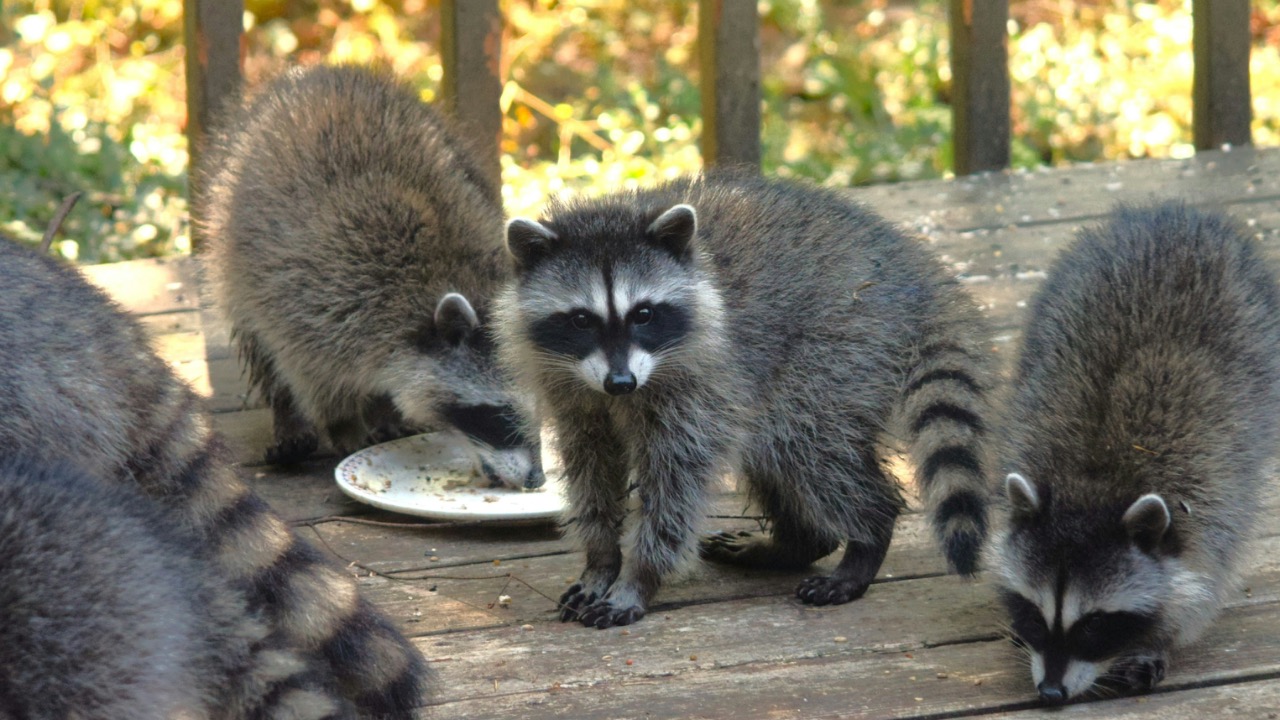
Six U.S. states with the highest raccoon populations
Raccoons have quietly become one of the most successful wild mammals in North America, thriving in forests, suburbs, and dense cities alike. While exact counts are difficult, wildlife agencies and researchers point to a handful of states where habitat, climate, and human development combine to support especially large numbers of these adaptable animals.
Examining habitat quality, urban expansion, and disease surveillance data helps identify six states that likely host the most raccoons: Texas, Florida, Georgia, North Carolina, Ohio, and Illinois. Together they show how raccoons have turned human infrastructure into a powerful survival tool, while also raising concerns about disease, property damage, and public health.
What happened
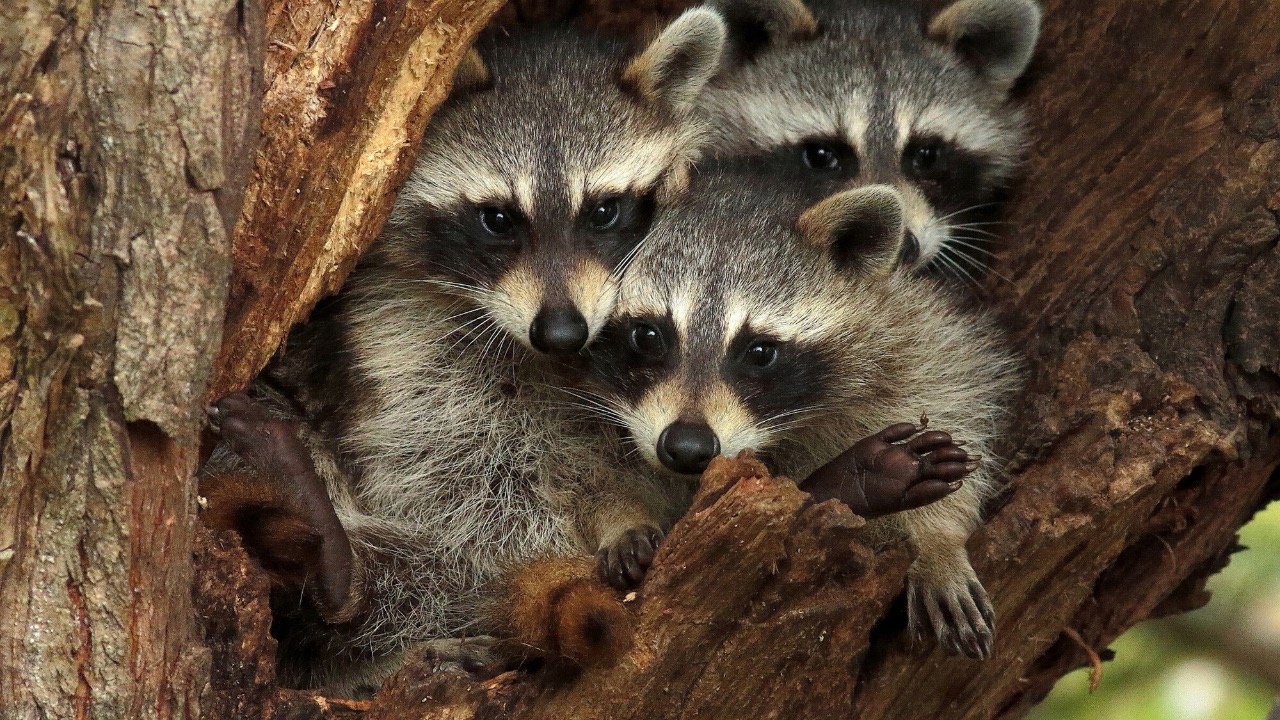
Raccoons are native to much of the United States, but their population has not grown evenly. Biologists point to three main drivers that concentrate raccoons in certain states: abundant edge habitat where forest meets field or suburb, mild winters that reduce mortality, and dense human settlement that supplies food from crops, garbage, and outdoor feeding of pets and wildlife. These factors come together most strongly in large, warm states with sprawling suburbs and extensive agriculture.
Texas stands out first. It combines the second-largest state land area with a mix of pine forests in the east, riparian corridors along the Brazos and Trinity rivers, irrigated cropland on the High Plains, and booming metro regions such as Houston, Dallas, and San Antonio. Each of these landscapes supports raccoons, but the patchwork of wooded creeks, storm drains, and backyard fences in suburban counties creates ideal travel routes and den sites. Wildlife control operators in Texas report steady nuisance calls for attic and chimney denning, suggesting a raccoon population that has adapted closely to human structures.
Florida likely rivals Texas in raccoon density, if not total numbers. The state’s subtropical climate means raccoons do not face long periods of snow cover or deep cold that can limit food access in northern states. Mangrove shorelines, freshwater marshes, and oak hammocks provide natural habitat, while coastal development has stitched in an almost continuous band of neighborhoods from Jacksonville through Orlando and Tampa to Miami. In these areas, raccoons raid unsecured trash, pet food, and fish-cleaning stations at marinas. State wildlife agencies have long documented raccoons as a primary terrestrial reservoir for rabies, and warm weather allows year-round breeding and foraging.
Georgia and North Carolina form the core of raccoon country in the Southeast. Both states contain large tracts of mixed hardwood and pine forest, extensive river systems, and rapidly expanding metro regions such as Atlanta, Charlotte, and Raleigh. Subdivisions built into former timberland often leave wooded buffers, stormwater ponds, and utility corridors that raccoons use as travel lanes. Hunters in these states maintain active traditions of raccoon hunting with hounds, providing additional anecdotal evidence of strong populations in rural areas as well as on the suburban fringe.
In the Midwest, Ohio and Illinois illustrate how raccoons flourish in intensively farmed landscapes. Both states retain forested riparian corridors along rivers like the Scioto, Cuyahoga, Illinois, and Rock, even as surrounding land is dominated by corn and soybean fields. These wooded strips, along with shelterbelts and drainage ditches, give raccoons cover and denning sites. Grain spills, livestock feed, and field-edge corn provide high-calorie food. At the same time, major metro areas such as Chicago, Columbus, and Cleveland create urban raccoon strongholds. In older neighborhoods, aging housing stock, alley trash collection, and backyard gardens all contribute to raccoon carrying capacity.
Urban environments have become particularly significant for raccoon numbers. Researchers have documented how raccoons use storm drains, rooftops, and small green spaces to move through cities and find food. One analysis of raccoon behavior in metropolitan areas described how these animals navigate traffic, learn trash collection schedules, and exploit unsecured compost and pet food, showing that they have effectively turned city streets into habitat corridors. The study of urban raccoons highlights that cities in states like Illinois, Ohio, Texas, and Florida may now hold higher raccoon densities than surrounding countryside.
Public health surveillance offers another window into where raccoons are most numerous. Rabies testing of wildlife, for instance, tends to detect raccoons more often where they are both abundant and living close to people and pets. States in the Southeast and Mid-Atlantic have historically reported high numbers of raccoon-associated rabies cases, reflecting both the animals’ success and the risk of human contact. While the exact ranking of states by raccoon population is not formally published, the combination of habitat, climate, urbanization, hunting reports, and disease surveillance strongly points to Texas, Florida, Georgia, North Carolina, Ohio, and Illinois as leading contenders.
Why it matters
High raccoon numbers in these six states carry clear consequences for public health. Raccoons are a key terrestrial reservoir for rabies in parts of the United States, and every bite or significant scratch from a suspect animal can trigger a course of post-exposure vaccination. Health officials have warned that any decline in routine animal vaccination, including for dogs and cats, can increase the risk that rabies spreads from wildlife into domestic animals and then to humans. A recent review of rabies and animal stressed that lapses in immunizing pets can undermine decades of progress in controlling the virus, particularly in regions with dense raccoon populations.
In addition to rabies, raccoons can carry Baylisascaris procyonis, a roundworm that can infect humans if eggs from raccoon feces are accidentally ingested. Human cases are rare but can be severe, especially in children who play in contaminated soil or sand. High raccoon densities around playgrounds, sandboxes, and backyard decks raise the chance that latrines, the communal defecation sites raccoons often use, will occur in places where people spend time. This risk is especially relevant in suburban neighborhoods in states like Ohio and North Carolina, where wooded edges and decks create attractive latrine sites.
Raccoons also intersect with broader disease dynamics by moving between wild and human spaces. They can raid poultry coops, exposing backyard chickens to pathogens, and may interact with outdoor cats and dogs that lack up-to-date vaccinations. In regions already grappling with infectious disease challenges, any additional wildlife reservoir complicates the public health picture. For example, South Carolina has faced a surge of measles cases, with state health officials reporting that the state reached 156 confirmed measles infections during a recent outbreak, the highest activity seen nationally in roughly 30 years. The report on measles activity illustrates how quickly vaccine-preventable diseases can resurface when immunity gaps appear. While measles is unrelated to raccoons, the same pattern of under-vaccination and close contact among people and animals can amplify other zoonotic risks.
Beyond health, large raccoon populations create persistent property and infrastructure issues. In Texas and Florida, raccoons frequently enter attics by pulling up loose soffits or shingles, leading to damaged insulation, chewed wiring, and contaminated droppings. Repair bills can run into thousands of dollars for homeowners who delay exclusion work. In Illinois and Ohio, raccoons pry open trash cans and scatter garbage across alleys, which attracts other pests and increases municipal cleanup costs. Agricultural operations in Georgia and North Carolina report raccoon damage to sweet corn, melons, and poultry flocks, forcing farmers to invest in electric fencing and more secure housing.
Municipal governments in raccoon-heavy states must respond by adjusting waste management and urban planning. Simple shifts, such as requiring wildlife-resistant trash carts with locking lids, can significantly reduce raccoon access to garbage. Some cities have experimented with changing collection times so that trash bags do not sit overnight on sidewalks. Stormwater infrastructure also matters. Open culverts and easily accessible drainage systems provide raccoon travel corridors. Retrofitting these structures with grates or barriers can limit movement, but such changes require coordination between public works and wildlife officials.
Ecologically, raccoons exert pressure on other species when their numbers climb. They are opportunistic omnivores that eat bird eggs, amphibians, small mammals, and invertebrates. In coastal Florida, raccoons have been documented raiding sea turtle nests on beaches, particularly where artificial lighting and human presence have already stressed turtle populations. In Midwestern wetlands, high raccoon densities can reduce nesting success for marsh birds and waterfowl. These impacts are often most severe in fragmented habitats where predators can concentrate along narrow strips of cover.
The six states highlighted here face slightly different ecological tradeoffs. In Georgia and North Carolina, raccoons share forests with black bears, coyotes, and bobcats, which can help keep raccoon numbers in check. In heavily urbanized parts of Illinois and Ohio, however, large predators are scarce, and raccoons may become the dominant mid-sized carnivore. Texas and Florida sit somewhere in between, with coyotes and, in parts of Florida, alligators and Florida panthers influencing raccoon behavior in wild spaces, even as cities function as predator-light refuges.
Social perceptions of raccoons complicate management. Many residents view them as charming or even endearing, especially when they appear on porches or in viral videos. Feeding raccoons intentionally, whether by leaving out cat food or tossing scraps, encourages habituation and increases the risk of bites. Wildlife agencies in states like Texas, Florida, and North Carolina routinely urge residents not to feed raccoons and to secure attractants, but behavior change can be slow. Where hunting and trapping traditions remain strong, as in rural Georgia and Ohio, raccoons are more likely to be seen as game animals or pests than as backyard mascots.
Public health agencies must therefore balance education, vaccination campaigns, and humane control. Oral rabies vaccination programs that distribute vaccine-laden baits have been used in some regions to create immunized corridors in raccoon populations, limiting the spread of the virus. These programs are expensive and logistically complex, but they illustrate how seriously wildlife-borne disease is taken in states with dense raccoon populations. At the same time, local ordinances on trash storage, backyard poultry, and pet vaccination can either support or undermine these efforts.
What to watch next
Several trends will shape how raccoon populations in Texas, Florida, Georgia, North Carolina, Ohio, and Illinois evolve in the coming years. Climate change is one of the most significant. Warmer winters reduce cold-related mortality and can expand raccoon ranges northward, but they also influence food availability and disease dynamics. In the Southeast, more frequent heavy rain events and hurricanes can flood den sites and alter coastal habitats, potentially pushing raccoons farther inland or onto higher ground near human communities. In the Midwest, milder winters may allow raccoons to remain active for more of the year, increasing opportunities for breeding and foraging in urban areas.
Urban growth patterns will also be decisive. As metro regions in these six states continue to sprawl, new subdivisions, commercial centers, and transportation corridors will cut into existing habitat while creating fresh edge environments. The design choices made now will determine whether raccoons find easy access to food and shelter. Neighborhoods that integrate secure trash systems, limited crawl-space access, and well-managed green spaces are less likely to experience chronic raccoon conflicts. In contrast, developments that combine open dumpsters, unfenced stormwater ponds, and extensive ornamental plantings are likely to see raccoon numbers climb.

Leo’s been tracking game and tuning gear since he could stand upright. He’s sharp, driven, and knows how to keep things running when conditions turn.