How new wildlife corridors are helping reduce vehicle-animal collisions across the U.S.
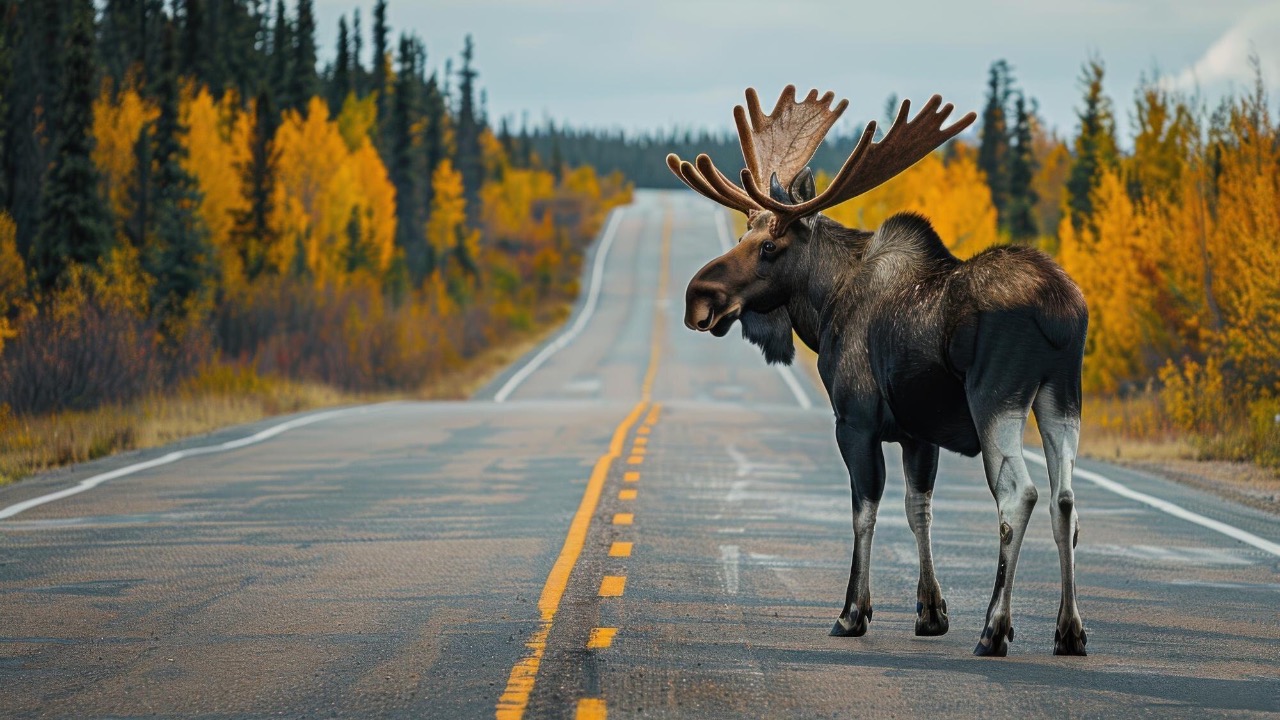
You’ve probably seen it firsthand—deer standing frozen in your headlights, elk crossing where they shouldn’t, or the aftermath on the shoulder the next morning. Vehicle-animal collisions aren’t rare events anymore. In many parts of the country, they’re part of the daily drive.
What’s changed in the last decade is how states and agencies are dealing with it. Wildlife corridors aren’t a theory anymore—they’re being built, tested, and in a lot of cases, they’re working. These crossings are reshaping how animals move across highways and how you move through their country. Here’s how that’s playing out across the U.S.
Overpasses and Underpasses Are Doing the Heavy Lifting
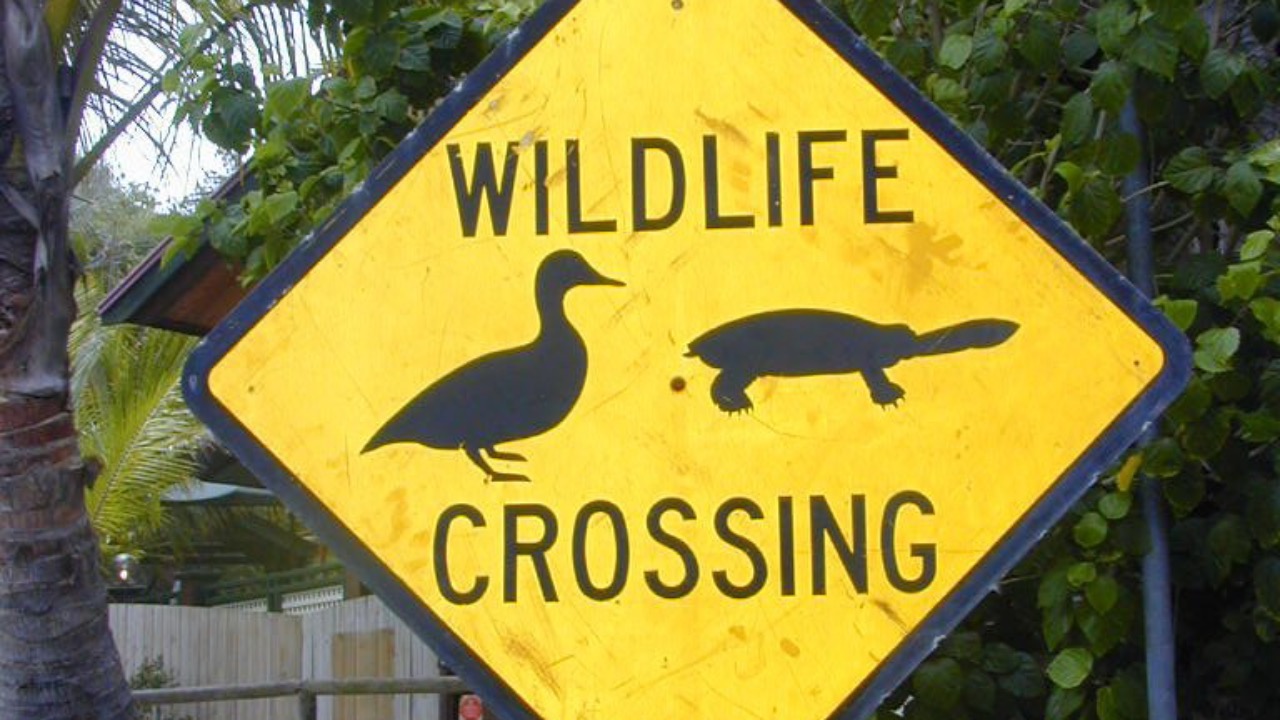
You’ll find most wildlife crossings falling into two categories: overpasses and underpasses. Overpasses are wide, vegetated bridges that carry animals over busy roads. Underpasses use culverts or tunnels beneath the highway. Both are built where animals already want to cross.
The key is placement. When crossings line up with natural travel routes—migration paths, water access, bedding cover—animals use them. In states like Wyoming and Colorado, monitoring has shown steady use by deer, elk, pronghorn, and even predators. When done right, these structures don’t sit empty. They become part of the landscape, and animals treat them that way.
Fencing Is What Makes Crossings Work
A crossing without fencing won’t get the job done. Animals need to be guided, not left to figure it out on their own. That’s where miles of roadside fencing come in.
These fences funnel wildlife toward safe crossing points and keep them off the road elsewhere. It’s not glamorous work, but it’s the backbone of the system. Studies have shown that when fencing is paired with crossings, collision rates drop sharply. Without it, animals keep trying to cross wherever they want, and the problem doesn’t change much.
Data Is Driving Where Corridors Get Built
You’re not seeing these projects pop up at random. Agencies are leaning hard on data—GPS collar tracking, carcass reports, and crash records—to figure out where animals are crossing and where drivers are hitting them.
That information gets layered together to pinpoint high-risk stretches of road. It’s a practical approach. Instead of spreading resources thin, they focus on problem areas with a history of collisions. The result is fewer wasted projects and more crossings placed where they’ll actually be used.
Western Migration Routes Are Getting the Most Attention
Out West, long-distance migration routes have pushed wildlife crossings into the spotlight. Mule deer and pronghorn travel dozens, sometimes hundreds of miles between seasonal ranges, and highways cut right through those paths.
States like Wyoming have led the charge by protecting these routes and building crossings where herds bottleneck. When those crossings go in, the difference shows up fast—fewer dead animals on the road and fewer wrecked vehicles. It also keeps those migrations intact, which matters if you want those herds to hold up over time.
Urban Edges Are Seeing More Projects
It’s not only remote highways getting attention. As cities expand, more roads cut through habitat that used to sit on the edge of town. That puts deer, coyotes, and smaller animals in constant contact with traffic.
You’re starting to see crossings built in these fringe areas, often paired with shorter fencing runs. They’re smaller projects, but they matter. When animals have a predictable way to cross, they use it, even in developed areas. That takes some pressure off busy suburban roads where collisions tend to pile up.
Collision Rates Are Dropping Where Systems Are Complete
The biggest results show up where crossings and fencing are built as a full system, not piecemeal. In those areas, studies have reported major drops in vehicle-animal collisions—sometimes cutting them by more than half.
That’s not only good for wildlife. It means fewer wrecks, fewer injuries, and less damage for drivers. You don’t always notice it right away, but over time, those stretches of highway get quieter. Fewer flashing lights on the shoulder, fewer calls to tow trucks, fewer close calls in the dark.
Smaller Species Benefit More Than You’d Think
It’s easy to picture elk using a wide overpass, but a lot of these crossings are helping smaller animals too. Bobcats, foxes, raccoons, turtles, and amphibians all use underpasses and culverts.
That matters more than most folks realize. Smaller species make up a big share of road mortality, even if they don’t always make headlines. When crossings are designed with ledges, dry paths, or water flow in mind, they serve a wider range of animals. You end up protecting more of the ecosystem, not only the big game.
Maintenance and Monitoring Keep Them Effective
Building a crossing is only the first step. If it’s not maintained, it won’t keep working the way it should. Fences need repair, vegetation needs upkeep, and drainage has to be managed.
Agencies also monitor these sites with cameras and tracking to see what’s using them and what’s not. If something isn’t working, they adjust. That might mean extending fencing, changing access points, or modifying the structure itself. The goal is to keep animals using those safe routes instead of drifting back onto the road.
Funding Is Still the Biggest Limiting Factor
These projects aren’t cheap. A single wildlife overpass can cost millions, and even smaller underpasses add up when you start stringing them along a highway.
Funding usually comes from a mix of state budgets, federal programs, and conservation groups. When the money lines up, projects move forward. When it doesn’t, high-risk areas stay the same. There’s no shortage of places that need crossings—only a limit on how many can get built at once.
You’re not going to eliminate every collision. Animals will always move, and roads aren’t going anywhere. But where wildlife corridors are in place and done right, the difference is real.
Fewer animals lost. Fewer wrecks. And a better balance between the roads you drive and the ground those animals have always used.

Asher was raised in the woods and on the water, and it shows. He’s logged more hours behind a rifle and under a heavy pack than most men twice his age.