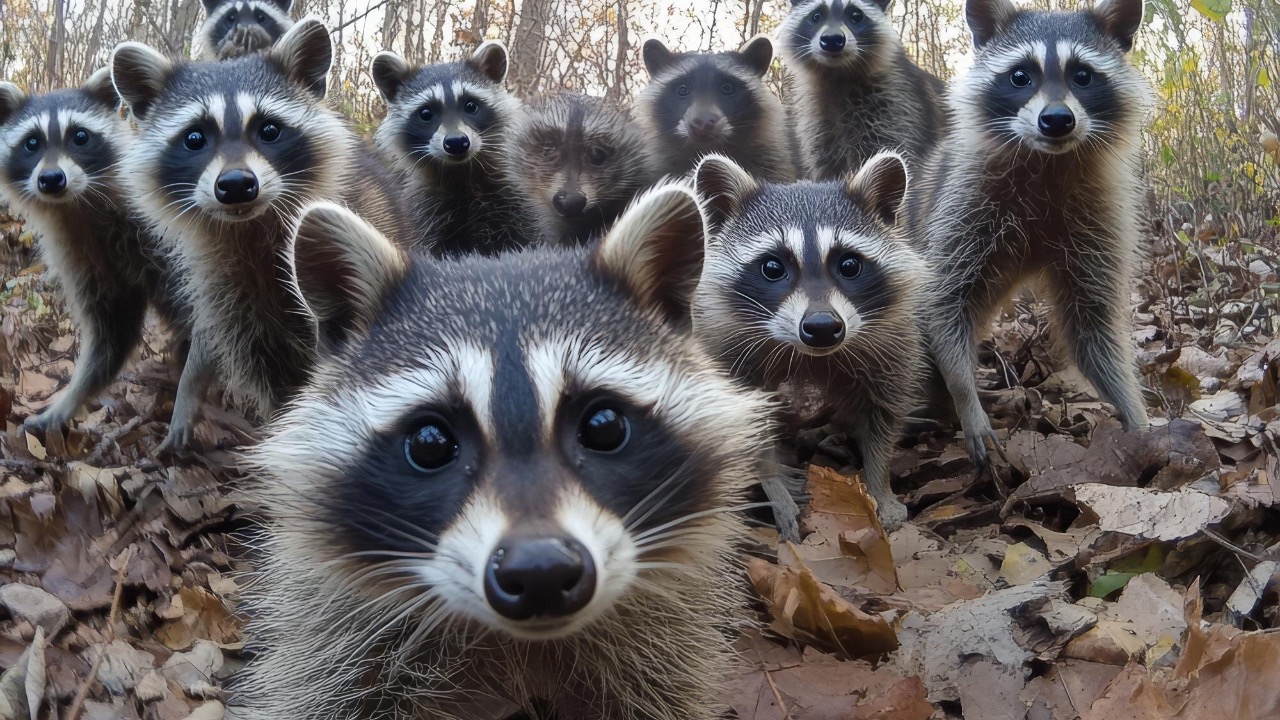
Raccoon populations are rising in unexpected regions, experts say
You don’t have to spend long in the woods—or even your own backyard—to notice it. Raccoons are showing up in places they didn’t used to be, and in numbers that are hard to ignore. What used to feel like a species tied to hardwood bottoms and farm country is now pushing into drier ground, higher elevations, and even wide-open country that never held many of them before.
This isn’t random. Biologists have been watching the shift for years, and the reasons are stacking up—milder winters, human expansion, and a food supply that keeps growing. If you hunt, trap, or manage land, you’re seeing the results firsthand.
Milder Winters Are Keeping More Raccoons Alive
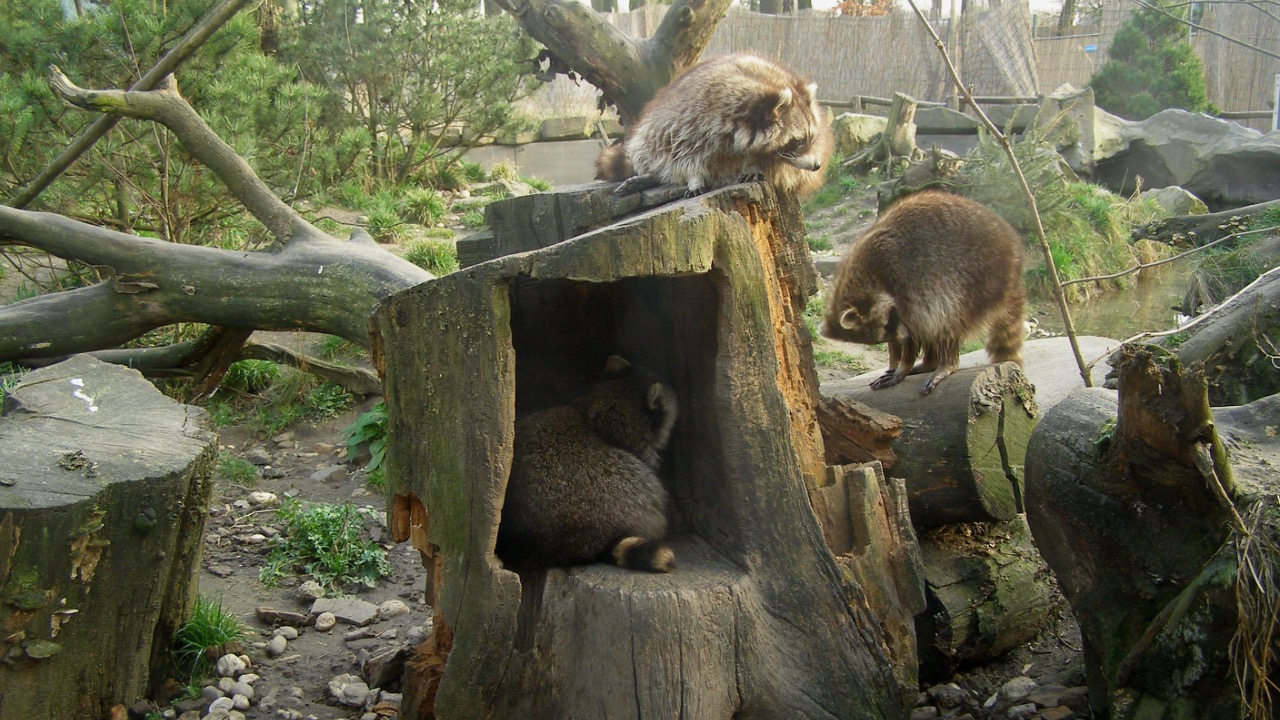
Cold used to thin raccoon numbers in a real way. Long winters with deep snow and limited food would knock populations back and keep them in check.
That pressure has eased in many regions. Warmer winters mean fewer die-offs and more animals making it to spring in decent shape. When more adults survive, you also get more breeding the following season. Over time, that builds into higher populations, even in areas that once struggled to support them through harsh winters.
Urban and Suburban Growth Is Feeding the Boom
You don’t need a remote woodlot anymore to find raccoons. Neighborhoods, small towns, and city edges are full of easy meals—trash cans, pet food, bird feeders.
That steady food source changes everything. Raccoons don’t have to roam as far, and they don’t face the same risks they would in the wild. You end up with higher survival rates and more young making it through the year. As towns expand into rural ground, raccoons follow right along, filling in every available pocket.
They’re Expanding Into Drier and More Open Country
Raccoons have always been tied to water and timber, but that line is getting blurry. You’re now seeing them in prairie country, sagebrush, and other areas that didn’t hold many in the past.
They adapt quickly. If there’s food and some form of cover—culverts, brush piles, shelterbelts—they’ll make it work. Agriculture plays a role here too. Crop fields provide both food and structure, giving raccoons a foothold in places that once didn’t support them well.
Predator Declines Are Changing the Balance
In some regions, predator numbers that once kept raccoons in check aren’t what they used to be. That shift can tilt the balance.
Raccoons aren’t at the top of the food chain, but they’re smart and adaptable. When pressure from larger predators drops, more of them survive and reproduce. It’s not the only factor driving growth, but it adds to the overall trend you’re seeing on the ground.
Food Availability Is Higher Than It Used to Be
Between agriculture and human activity, there’s more to eat out there than ever. Corn, soybeans, livestock feed, and garbage all add up.
Raccoons take advantage of anything they can get. When food is consistent, they don’t need large territories, and more animals can live in the same area. That density shows up quickly, especially in regions where natural food sources used to limit how many raccoons the land could support.
They Reproduce Efficiently When Conditions Are Good
Raccoons don’t need perfect conditions to reproduce, but when things line up—mild weather, steady food—you’ll see stronger litters and better survival rates.
Females can raise multiple young each year, and those young often stick close if resources allow. That creates pockets of high density in a short amount of time. When you combine that with fewer winter losses, populations can climb faster than many people expect.
Disease Cycles Haven’t Slowed Them Long-Term
Raccoon populations do take hits from disease—rabies and distemper can move through an area and knock numbers back.
But those declines are often temporary. Given time, populations rebound, especially when habitat and food remain strong. You’ll see dips followed by quick recoveries, which can make it feel like raccoon numbers are always on the rise even after setbacks.
Human Landscape Changes Favor Generalists Like Raccoons
The way land is used today favors adaptable species. Fence lines, drainage ditches, patchy timber, and mixed-use ground all create edges.
Raccoons thrive in that kind of environment. They don’t need large, unbroken habitat. They do well in broken country where different food sources are close together. As landscapes continue to shift, species that can adjust quickly—like raccoons—keep gaining ground.
What you’re seeing isn’t a short-term spike. It’s a steady shift driven by conditions that aren’t likely to reverse anytime soon. If you spend time outdoors, you’ll keep running into raccoons in places that used to surprise you—and before long, it won’t feel surprising at all.

Asher was raised in the woods and on the water, and it shows. He’s logged more hours behind a rifle and under a heavy pack than most men twice his age.