Lessons from concealed-carry veterans: what first-time gun owners often overlook
Concealed carry has expanded across the country as more people choose to take personal responsibility for their safety. New owners often complete the required training, buy a handgun, and assume the hardest part is finished. Veterans who have carried every day for years see the reality differently. They have learned through daily routines and occasional close calls that certain details separate consistent preparedness from occasional effort. Their observations focus on practical habits that build over time rather than dramatic scenarios. Listening to these experiences helps you avoid the most frequent gaps that appear once the permit is in hand.
The veterans stress that concealed carry is a daily commitment rather than an occasional activity. They have refined their approaches through trial and error in ordinary settings like grocery stores, commutes, and family outings. These insights come from people who treat carrying as a serious routine, not an afterthought. You gain an edge when you absorb their perspective before habits set in the wrong direction.
Why carrying feels awkward at the start
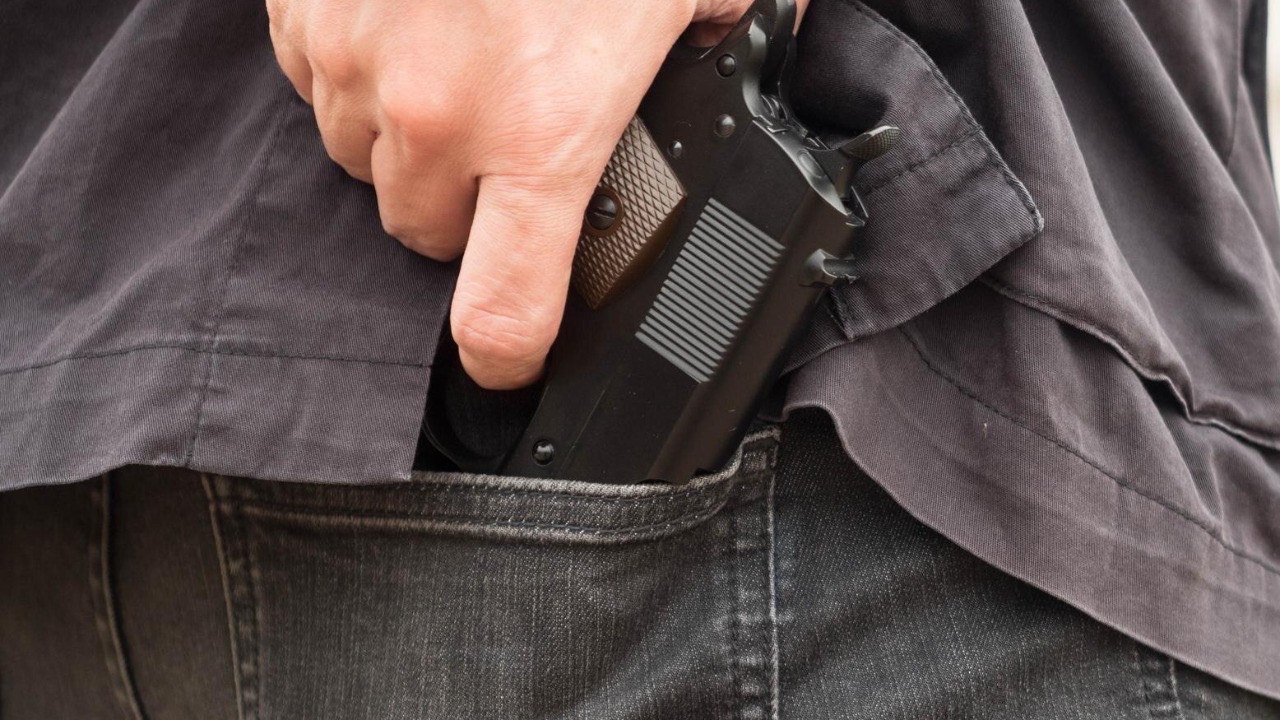
The weight and bulk of a handgun against your body create an unfamiliar pressure right away. Clothes shift in ways you never noticed before, and movement feels slightly off for the first several weeks. Veterans remember constantly checking their position or tugging at fabric without meaning to, drawing attention they wanted to avoid.
This discomfort eases once you spend time testing different setups at home and during short errands. Small changes in holster placement or clothing layers make the load feel balanced instead of intrusive. The key lies in treating the initial phase as practice rather than failure. You build tolerance gradually, and the process itself sharpens your attention to detail.
How much range time actually keeps you ready
Qualification courses meet minimum standards, yet they fall short of the repetition needed for real proficiency. Veterans fire hundreds of rounds each month and incorporate drawing from concealment under varying conditions. They stress that skills fade quickly without consistent effort.
Dry-fire sessions at home fill gaps between range visits and reinforce grip and trigger control. Live practice focuses on speed, accuracy, and decision-making rather than static targets alone. This frequency turns mechanical actions into automatic responses. You stay capable when training becomes part of your weekly schedule instead of a yearly obligation.
Picking a holster that stays comfortable all day
Cheap or poorly designed holsters dig into the skin or allow the gun to shift during normal activity. Experienced carriers test multiple options before settling on one that holds position without constant adjustment. Retention, ride height, and material all affect whether the setup works for long hours.
A quality holster also conceals effectively across different outfits and body types. Veterans advise trying several models in realistic clothing rather than relying on online descriptions. The right choice eliminates distractions and lets you focus on your surroundings. This selection process takes time but prevents the frustration of switching gear later.
Why a strong belt matters more than you realize
A flimsy belt stretches or rolls under the weight of a loaded firearm, causing the holster to sag or twist. Veterans learned early that an everyday belt lacks the stiffness required for stable carry. A dedicated gun belt keeps everything in place from morning until evening.
The difference appears in how securely the holster rides and how little you think about it during the day. Many carriers switch after noticing their setup drifting out of position during routine tasks. This upgrade supports consistent concealment and quick access when needed. You avoid unnecessary movement and maintain control without extra effort.
Staying aware without getting paranoid
A firearm heightens the importance of noticing exits, people, and potential trouble before it develops. Veterans practice scanning their environment calmly rather than staring or reacting to every sound. They avoid fixation on the weapon itself and treat awareness as a baseline habit.
This mindset reduces the chance of being caught off guard while preventing overreaction to normal activity. Simple routines like checking mirrors while driving or positioning yourself with a clear view in public spaces make a steady difference. You stay prepared without turning everyday life into a constant threat assessment.
What to do when people notice something
Printing or an outline under clothing can happen even with careful concealment. Veterans advise against yanking shirts or touching the area, which only calls more attention to the spot. A calm continuation of normal movement usually resolves the moment without incident.
When someone asks directly, a brief neutral response keeps the conversation short. Most people move on quickly if you remain composed. This approach preserves your privacy and avoids escalating minor curiosity into conflict. You learn to carry with confidence that does not invite discussion.
Learning the rules before you step out the door
State laws on where you can carry, how you must transport the firearm, and when force is justified differ in important ways. Veterans review reciprocity agreements and local restrictions before travel and refresh their knowledge regularly. They treat legal details as non-negotiable rather than background information.
Ignorance in this area creates risks that training cannot fix after the fact. Reading statutes, attending updates, and understanding use-of-force standards form a necessary foundation. This preparation protects you legally and reinforces responsible decision-making in tense moments. You operate with clarity when the rules guide every choice.
Keeping your firearm reliable over time
Dust, lint, and moisture accumulate inside a carried handgun faster than many owners expect. Veterans disassemble and clean their firearms on a schedule tied to how often they carry. They check for wear on springs and extractors during routine maintenance.
Regular inspection prevents malfunctions that could appear at the worst time. A simple cleaning kit and basic tools become part of the carry routine. This habit ensures the weapon performs exactly as expected if ever needed. You maintain readiness through consistent care rather than waiting for problems to surface.
Preparing for what comes after an incident
Drawing or firing a handgun triggers immediate legal and emotional consequences that extend far beyond the moment itself. Veterans study aftermath procedures, including what to say to arriving officers and how to document the event. They recognize that winning a physical confrontation does not guarantee winning in court.
Support networks, legal insurance options, and mental health resources help manage the days and weeks afterward. This forward thinking shapes decisions before anything happens. You approach the possibility with a complete picture rather than focusing solely on the defensive act.

Asher was raised in the woods and on the water, and it shows. He’s logged more hours behind a rifle and under a heavy pack than most men twice his age.