What experienced outdoorsmen always carry — and why
You’ve seen it on the trail or in hunting camp. The guy who’s been doing this for decades moves quietly, never seems rattled, and rarely gets caught off guard. When something goes sideways — weather turns, someone twists an ankle, or night falls faster than expected — he just reaches into his pack and handles it.
Experienced outdoorsmen don’t carry a bunch of fancy gear for show. They carry a small set of proven items that cover the basics when plans fall apart. These aren’t luxuries. They’re the difference between spending an uncomfortable night in the woods and turning a bad situation into a story you tell later.
Here’s what seasoned hunters, backpackers, and wilderness travelers never leave behind — and exactly why each one matters.
A sharp fixed-blade knife (or quality multi-tool)
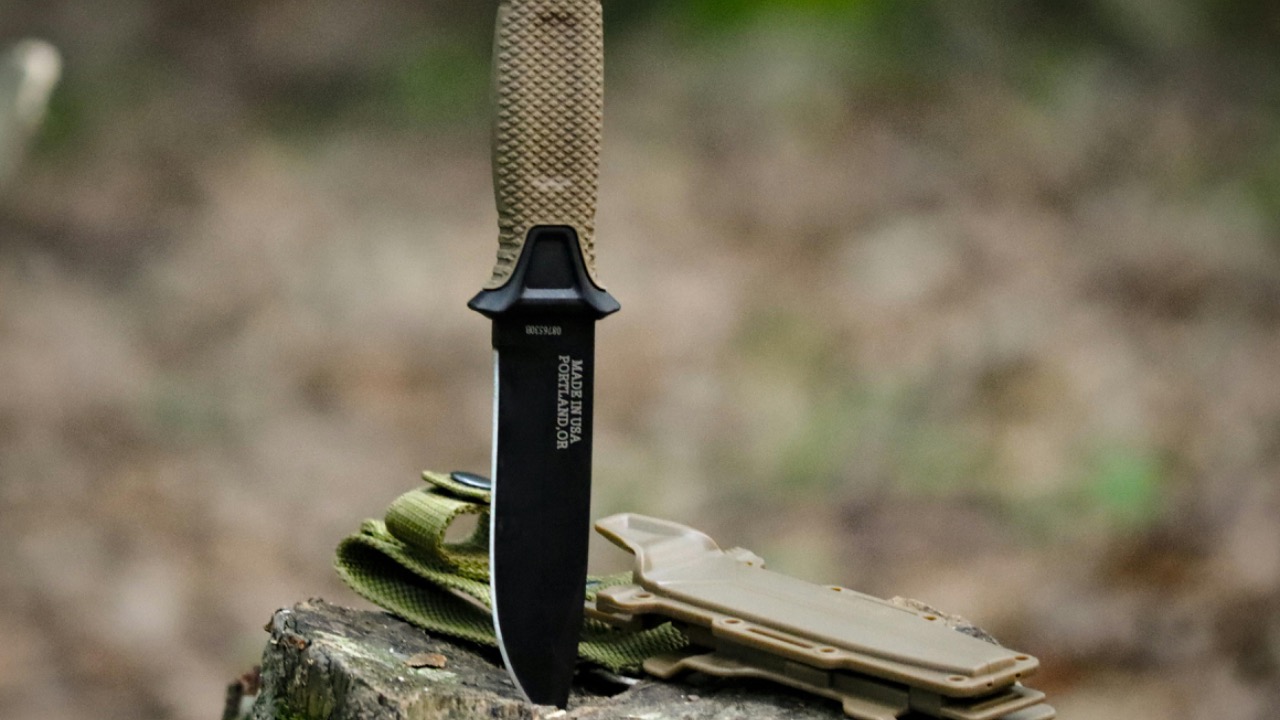
This is the one item veterans say they’d least want to be without. A good full-tang fixed-blade knife handles field dressing game, cutting cordage, carving kindling, building shelter, and a hundred other tasks. Folders have their place, but a strong fixed blade won’t fold on you when you need it most.
Many keep a small sharpener in the same sheath so the edge stays ready. In a true pinch, that knife becomes your most important survival tool.
Fire-starting gear — with backups
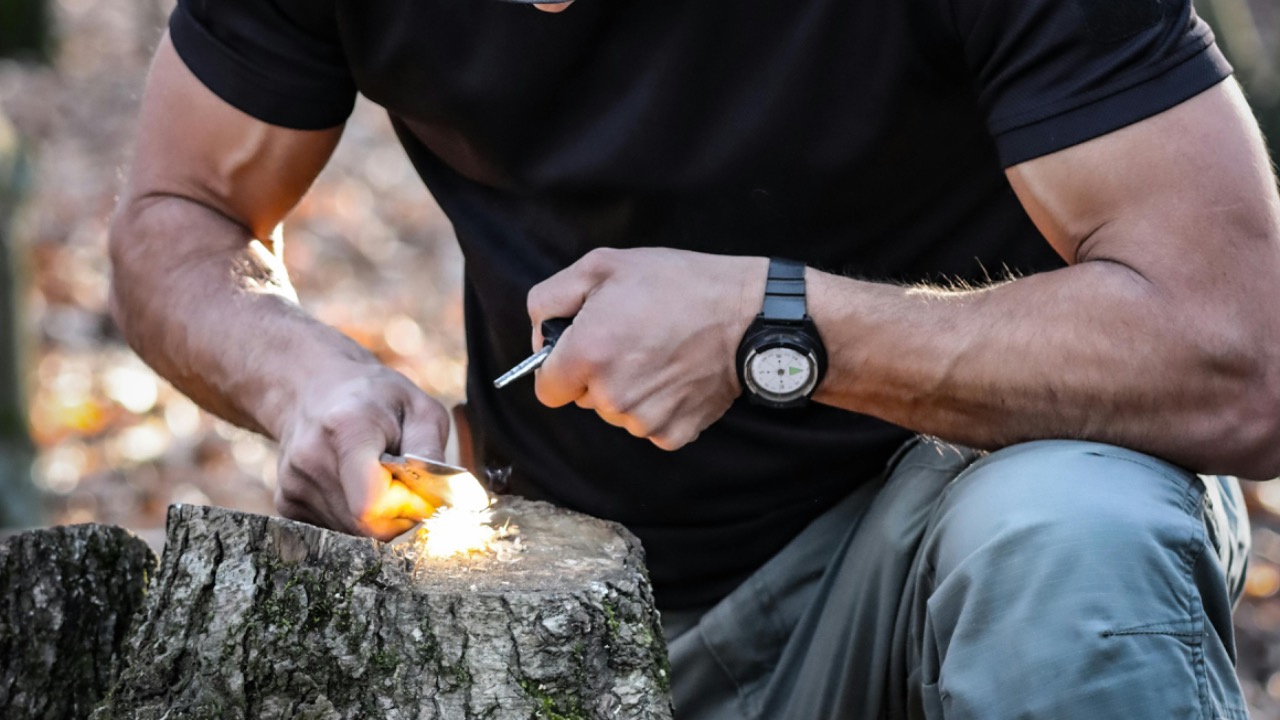
Experienced outdoorsmen carry multiple ways to make fire: a reliable lighter, waterproof matches, and a ferro rod with striker. They also pack a small amount of dry tinder in a sealed bag because wet wood is useless when you’re cold and wet.
Why? Fire means warmth, light, the ability to boil water, signal for help, and keep morale from crashing. One match won’t always do it — backups save the day when conditions turn ugly.
Headlamp or flashlight with extra batteries
Night comes fast in the backcountry, especially in fall and winter. A bright headlamp frees up your hands for tasks like dressing game, setting up shelter, or navigating out after dark.
Veterans always carry spare batteries or a backup light because dead batteries have ended more trips than most people admit. It’s cheap insurance against being stuck in total darkness.
Extra clothing layers and emergency shelter
A lightweight rain jacket, extra socks, gloves, and a warm hat (or beanie) go in the pack no matter the forecast. Weather changes without warning, and wet cotton can turn a mild day into hypothermia risk.
Many also carry a lightweight space blanket, emergency bivy, or small tarp. These take up almost no room but can prevent exposure — the leading cause of trouble in the outdoors.
First-aid kit tailored to real risks
Not a tiny drugstore kit. Experienced users carry items for bleeding, blisters, sprains, pain, and allergic reactions. Add trauma shears, tape, and any personal medications.
They know minor issues (a bad blister or cut) become major problems fast when you’re miles from help. A good kit plus basic knowledge turns small problems into manageable ones.
Navigation tools that don’t need batteries
A physical map and compass are still king. GPS phones and apps are great — until the battery dies or there’s no signal. Pros carry both and know how to use the map and compass.
In hunting country or remote wilderness, getting turned around is easy. Reliable navigation gets you back to the truck before panic sets in.
Water and a way to purify more
They start with plenty of water and always carry a filter, purification tablets, or a metal cup for boiling. Dehydration hits faster than most realize, especially when you’re working hard packing meat or hiking in heat or cold.
Cordage and a few utility items
50–100 feet of paracord or strong cord has endless uses: hanging game bags, rigging shelter, repairing gear, or even making a simple splint. Many also toss in a heavy-duty contractor trash bag — it can become an emergency poncho, ground cloth, or meat hauler.
Why these items matter more than everything else
Experienced outdoorsmen focus on the “10 Essentials” systems (navigation, illumination, fire, shelter, first aid, etc.) because they’ve learned the hard way that fancy gear won’t save you if the basics fail.
They don’t overpack, but they never skip these categories. The goal isn’t to survive a month in the wild — it’s to handle the unexpected so a day hunt or weekend trip doesn’t turn into an emergency.
If you’re heading into the woods this season, take a hard look at your pack. Do you have these covered? A little preparation now can turn a potential nightmare into just another day in the outdoors.
The veterans aren’t paranoid. They’re just tired of learning lessons the hard way — and they’d rather you didn’t have to.

Leo’s been tracking game and tuning gear since he could stand upright. He’s sharp, driven, and knows how to keep things running when conditions turn.