Reports suggest Iran leader’s son may still be alive
Rumors move fast in the Middle East, especially when they involve powerful families and uncertain times. Lately, reports have been circling around the fate of Mojtaba Khamenei, the son of Ali Khamenei. Some sources claim he may still be alive despite earlier whispers suggesting otherwise. When information is tight and official statements are scarce, you’re left sorting signal from noise. That’s where things get tricky—and worth a closer look.
Conflicting Reports Keep the Story Alive
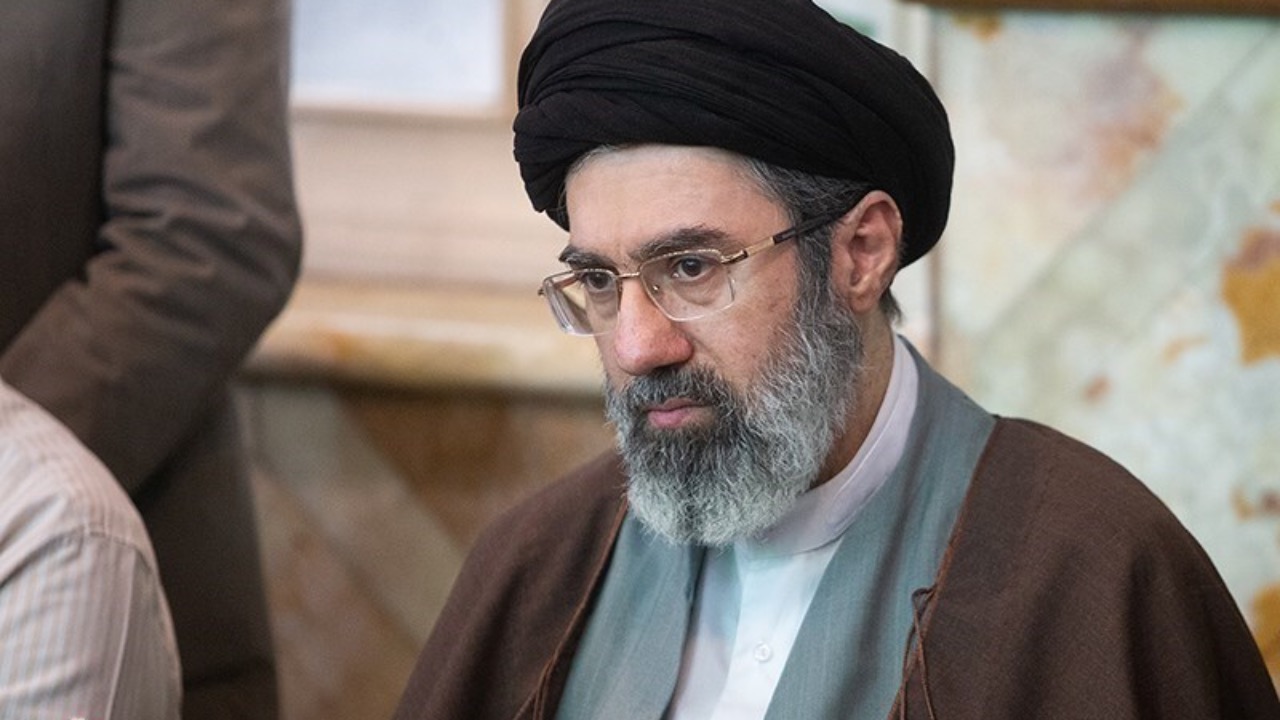
You’re dealing with a situation where hard facts are limited and secondhand reports carry most of the weight. Some outlets and regional observers suggest Mojtaba Khamenei is alive and possibly still active behind the scenes. Others have hinted at injury or worse, though none of those claims have held up under scrutiny.
That kind of contradiction isn’t unusual when it comes to Iran’s inner circle. Information is tightly controlled, and leaks are often deliberate. If you’re trying to get a clear picture, you have to read between the lines and pay attention to what isn’t being said as much as what is.
Who Mojtaba Khamenei Really Is
If you’ve followed Iranian politics at all, you know Mojtaba Khamenei isn’t some background figure. He’s long been viewed as a key player with influence that stretches well beyond what’s publicly acknowledged.
While he doesn’t hold a formal top office, many analysts believe he has deep ties within Iran’s security and religious networks. That kind of positioning means his status—alive, injured, or otherwise—matters more than most outsiders might realize. It also explains why any news about him tends to spread quickly and stir up speculation.
Why Information Is So Hard to Confirm
You’re not dealing with an open system here. Iran’s leadership, including Ali Khamenei, operates within a structure that keeps internal matters tightly sealed. Public disclosures are calculated, and anything sensitive is often kept out of reach.
That makes independent verification difficult. Foreign journalists have limited access, and local reporting can be influenced or restricted. In that kind of environment, rumors can fill the gaps. Some turn out to be accurate, but many don’t. Until something is confirmed through reliable channels, you’re left working with fragments.
Timing Matters in a Region on Edge
The timing of these reports isn’t random. Tensions in the region have been running high, and leadership stability is always a factor in how events unfold. When you hear claims about someone like Mojtaba Khamenei, it’s often tied to broader concerns about continuity and control.
If he were out of the picture, it could shift internal dynamics in ways that ripple outward. On the flip side, reports that he’s still alive and active can signal continuity. Either way, these stories tend to surface when people are already watching closely for signs of change.
The Role of Speculation and Strategic Messaging
You’ve got to consider that not every report is accidental. In some cases, information—true or not—can be used as a tool. Suggesting that Mojtaba Khamenei is alive and well might serve one purpose, while letting rumors of harm circulate could serve another.
That’s part of the landscape in high-stakes political environments. Messaging isn’t always direct, and sometimes confusion itself becomes useful. As a reader, it helps to stay cautious and avoid locking onto any single version of events too quickly.
What You Should Take Away Right Now
At this point, the most reliable takeaway is that nothing has been definitively confirmed. Reports suggesting Mojtaba Khamenei is still alive continue to circulate, but they sit alongside conflicting claims that haven’t been fully backed up.
If you’re trying to stay informed, your best move is to watch for consistent reporting from multiple credible sources. Until then, treat every update as a piece of a larger puzzle. In situations like this, clarity usually comes slowly—if it comes at all.

Asher was raised in the woods and on the water, and it shows. He’s logged more hours behind a rifle and under a heavy pack than most men twice his age.