A Look at the Largest Bear Ever Recorded in the United States
You hear big-bear stories every season. Most grow a little in the telling. But every now and then, one comes along that holds up under a tape measure and a hard look. When you start digging into the largest bear ever recorded in the United States, you’re dealing with animals that push the edge of what seems possible—especially when you put them on a scale or stretch a hide.
There isn’t a single clean answer, either. You’ve got different species, different measuring systems, and a mix of hunter-taken records and scientific estimates. But if you stick to what’s documented, a few bears rise to the top. Here’s what actually stands.
The Alaska Brown Bear That Set the Bar
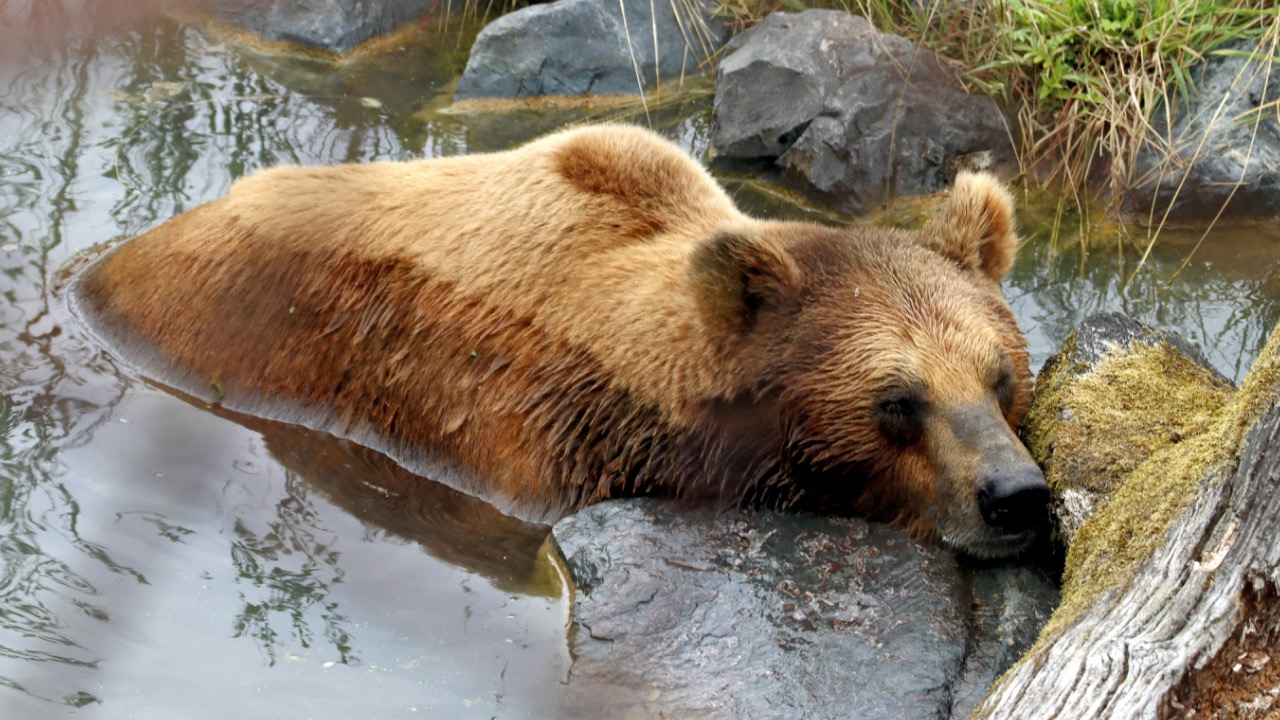
When you talk about sheer size, you’re looking at the Alaska brown bear, a coastal form of grizzly bear. These bears have access to rich food sources—salmon runs, sedge flats, and long growing seasons that let them pack on weight.
The largest recorded specimens have been estimated at over 1,600 pounds, with some individuals reportedly pushing closer to 1,700. Those numbers come from a mix of measured carcasses and scientific extrapolation. You’re not looking at average bears here—you’re looking at rare giants that lived in prime habitat and made the most of it.
Kodiak Bears Hold the Heaviest Verified Weights
If you want documented numbers that hold up, the Kodiak bear deserves your attention. These bears are isolated on the Kodiak Archipelago, where food is abundant and competition is limited.
One of the heaviest reliably weighed individuals tipped the scale at around 1,656 pounds in captivity. Wild bears have come close, though getting an exact weight in the field isn’t easy. Even so, Kodiak bears consistently rank among the largest land carnivores in North America. When you see one in person, the size isn’t subtle—it’s overwhelming.
The Largest Black Bear Ever Taken in the U.S.
Black bears don’t usually enter the same conversation as brown bears, but the biggest ones will make you take a second look. The largest recorded American black bear taken by a hunter in the U.S. came out of North Carolina.
That bear reportedly weighed 880 pounds dressed, which puts its live weight well over 1,000. That’s an outlier, but it shows what’s possible when genetics, food, and age line up. In the Southeast, long growing seasons and access to crops can produce bears that carry serious weight.
Skull Measurements Tell Another Story
Weight gets the headlines, but skull size is what record books track. Organizations like Boone and Crockett Club use a scoring system based on length and width.
Top-end brown bear skulls can score over 30 inches, which is a massive measurement when you see one on a table. Black bears can push into the mid-20s, with exceptional specimens going higher. These numbers give you a standardized way to compare bears across regions and time, even when weights are uncertain or estimated.
Habitat Is What Builds a Giant
You don’t get record-size bears without the right conditions. Coastal Alaska stands out because of its food supply—salmon runs alone can change everything for a bear’s growth.
Compare that to interior regions, where food is less concentrated, and you’ll see smaller average sizes. The same applies to black bears. Agricultural areas and mast-heavy forests tend to produce heavier animals. If you’re looking for a giant, you start with the groceries. Everything else follows.
Age and Survival Matter More Than You Think
A bear doesn’t reach record size overnight. It takes years—often decades—of steady feeding and avoiding trouble. Hunting pressure, habitat changes, and natural competition all factor in.
The biggest bears are usually older boars that have figured out how to dominate food sources and stay out of danger. That’s a narrow path. Most bears never get there. When one does, you’re looking at a combination of time, opportunity, and a little luck.
Why “Biggest” Isn’t Always Clear-Cut
You’ll hear claims of bears bigger than any record on the books. Some are true, but many fall apart under scrutiny. Weighing a wild bear accurately isn’t easy, and estimates can drift.
Then you’ve got differences between live weight, field-dressed weight, and captive measurements. Add in regional variations and record-keeping methods, and it gets complicated fast. That’s why the most reliable “largest” bears are the ones backed by solid documentation, not campfire stories.
When you step back and look at it, the largest bears in the United States aren’t defined by a single number. They’re shaped by where they live, how long they survive, and how well they eat. The records give you a benchmark, but the real takeaway is this—there are still places out there where a bear can grow far bigger than you’d expect.

Asher was raised in the woods and on the water, and it shows. He’s logged more hours behind a rifle and under a heavy pack than most men twice his age.