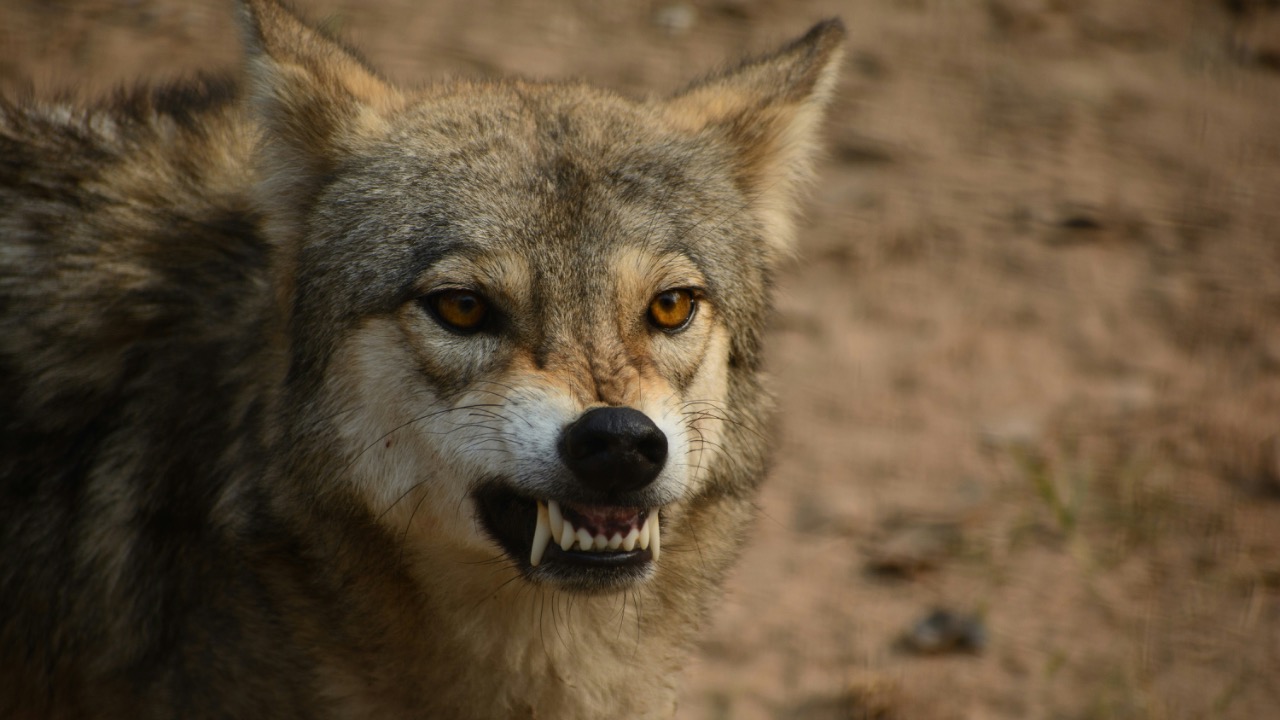
Do Coyotes Attack Humans? What Experts Say You Should Know
You’ve probably heard it both ways. Some folks swear coyotes are a real threat, others say they’re nothing to worry about. The truth sits somewhere in the middle, and it’s worth understanding if you spend any time outdoors.
Coyotes are adaptable, smart, and increasingly comfortable around people. That doesn’t automatically make them dangerous, but it does change how often you’ll cross paths with one. Attacks on humans are rare—but not unheard of. If you know how they behave and what pushes them over the line, you can keep those odds low. Here’s what you should know about how coyote interactions really play out.
Attacks on Humans Are Rare but Documented
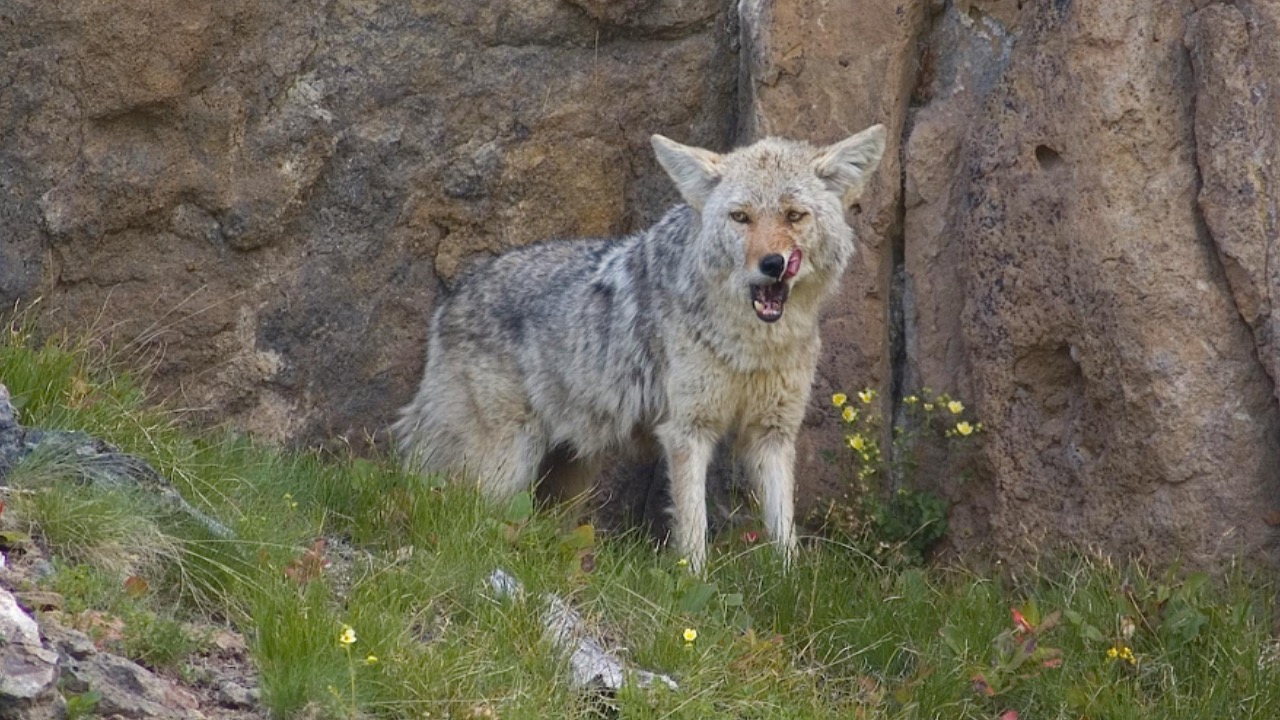
You’re far more likely to see a coyote than be harmed by one. Verified attacks do exist, but they’re uncommon across North America, especially considering how widespread coyotes are.
When incidents happen, they tend to follow patterns. They’re usually in areas where coyotes have grown used to people, and they often involve bold or food-conditioned animals. Most encounters still end with the coyote backing off. Understanding that rarity matters, but it shouldn’t make you careless. Low risk isn’t the same as no risk, especially if you’re dealing with an animal that’s lost its natural caution.
Habituation Is What Changes the Equation
Coyotes are wired to avoid people. That’s their baseline. Problems start when that instinct fades. Habituation happens when coyotes see humans regularly and nothing bad comes of it.
In suburban edges and even some rural setups, coyotes learn fast. Trash, pet food, and easy meals teach them that people equal opportunity, not danger. Once that shift happens, their behavior changes. They get closer, linger longer, and test boundaries. That’s when encounters start to feel different. You’re no longer dealing with a wary animal slipping through—you’re dealing with one that’s watching you back.
Most Aggressive Encounters Involve Food or Pets
If a coyote gets aggressive, there’s usually a reason. Food is the biggest one. Handouts, unsecured garbage, and outdoor feeding all draw them in.
Pets factor in too. Small dogs and cats can look like prey, especially at dawn or dusk. When a coyote starts associating yards and neighborhoods with easy meals, it loses hesitation. That’s when you’ll hear about lunging, पीछing, or attempts to grab an animal. People get involved when they intervene. You’re not typically the target—but you’re suddenly part of the situation.
Children Are More Vulnerable Than Adults
Size matters in how coyotes assess risk. Adults usually don’t fit the profile of prey, and coyotes know it. Kids are different.
Most documented attacks on humans involve young children. They’re smaller, move unpredictably, and may not react in a way that scares the animal off. That doesn’t mean attacks are common, but it explains why certain incidents happen the way they do. If you’ve got kids outside in coyote country, especially near cover or at low light, it’s worth keeping a closer eye than you might otherwise.
You Can Usually Stop a Coyote by Standing Your Ground
In most encounters, you’ve got the upper hand. Coyotes are still cautious animals at their core. If one approaches, your response matters.
Make yourself look bigger. Hold eye contact. Raise your voice. Step toward it if needed. This kind of behavior—often called hazing—reminds the coyote that you’re not something to approach. Running can trigger a chase response, so you’re better off holding position. In the vast majority of cases, that’s enough to send it off. The key is reacting early, before the animal gets too comfortable.
Urban and Suburban Sightings Are Increasing
Coyotes aren’t sticking to the backcountry anymore. You’ll find them in subdivisions, golf courses, and city greenbelts. They’ve learned how to live alongside people.
That doesn’t mean attacks are rising at the same rate, but it does mean encounters are more common. The more often people and coyotes cross paths, the more chances there are for something to go wrong. Most of the time, nothing happens. Still, it’s a shift worth paying attention to if you spend time outdoors or even in your own backyard.
Disease and Condition Can Affect Behavior
A healthy coyote behaves differently than one that’s sick or injured. Rabies, mange, or starvation can change how an animal reacts to people.
A coyote that appears disoriented, unusually bold, or aggressive without cause should be taken seriously. Those situations are where risk climbs quickly. You’re not dealing with normal behavior at that point. Giving space and contacting local wildlife authorities is the right move. It’s rare, but when it shows up, it’s not something to brush off.
Basic Precautions Go a Long Way
You don’t need to overhaul your life to stay safe around coyotes. A few habits make a real difference.
Keep food sources locked down. Don’t leave pet food outside. Watch pets during low-light hours. Teach kids not to approach wildlife. If you see a coyote acting bold, push it off early so it doesn’t get comfortable. These aren’t complicated steps, but they keep encounters where they belong—at a distance.
Coyotes aren’t out hunting people, but they’re not harmless either. If you understand how they think and what changes their behavior, you stay in control of the situation. Most of the time, that’s all it takes.

Asher was raised in the woods and on the water, and it shows. He’s logged more hours behind a rifle and under a heavy pack than most men twice his age.